Stearic acid sodium, a widely used chemical additive, is often transported via pneumatic conveying systems in industrial settings. This method offers efficient and reliable material handling solutions for various applications. The following content will explore the principles behind this technology and the key characteristics of its working scenes, providing insights into how it operates and where it is typically applied.
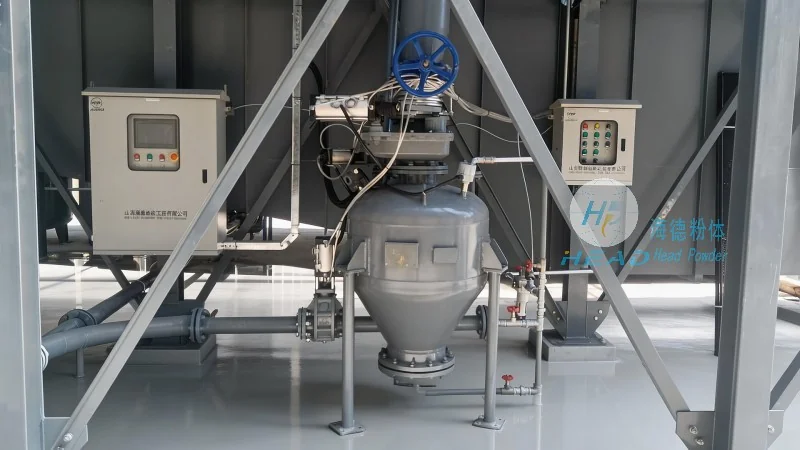
Principles of Stearic Acid Sodium Pneumatic Conveying
Pneumatic conveying of stearic acid sodium relies on the movement of material through a pipeline using air or other gases. The process typically involves a series of components, including a hopper for material storage, a feeder to control the flow rate, a conveying line, and a receiver for the discharged material. The core principle is the creation of a pressure differential that propels the material along the pipeline. In most cases, positive pressure systems are used, where compressed air is introduced at the material inlet to push the powder forward. This method ensures that the material is transported without the need for mechanical components like screws or belts, reducing wear and maintenance requirements.
The selection of the appropriate conveying system depends on several factors, including the material's properties, such as its particle size, density, and flowability, as well as the required conveying distance and throughput. For stearic acid sodium, which is a fine powder with moderate flow characteristics, a positive pressure system is often preferred due to its ability to handle the material's behavior effectively. The system operates by introducing air at a controlled pressure into the hopper, causing the powder to be entrained and carried through the pipeline. The air velocity must be sufficient to overcome the drag forces acting on the particles but not so high as to cause excessive pressure drop or particle degradation. Proper design of the conveying line, including the use of appropriate pipe diameters and bends, is crucial to maintain the efficiency and stability of the process.
Working Scene Characteristics of Stearic Acid Sodium Pneumatic Conveying
The application of pneumatic conveying for stearic acid sodium is prevalent in several industrial sectors, including pharmaceuticals, food processing, and chemical manufacturing. These sectors require precise and hygienic material handling to meet stringent quality and safety standards. The working scenes typically involve large-scale production facilities where the material is processed in bulk and needs to be transferred between different processing stages or storage areas.
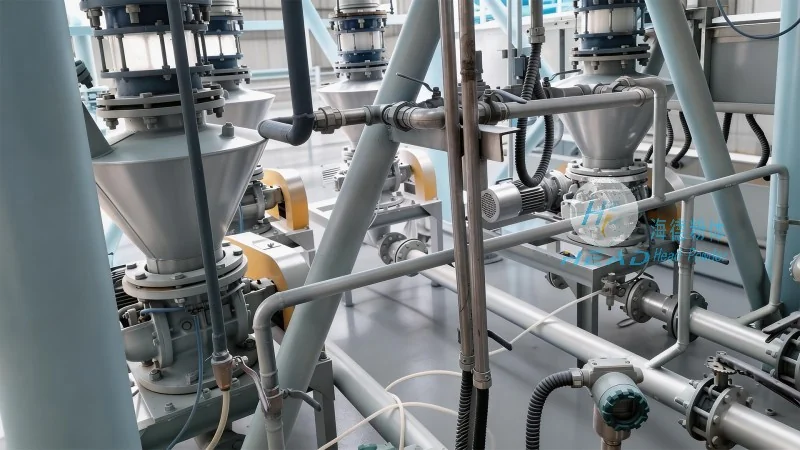
In pharmaceutical and food industries, the use of pneumatic conveying ensures that the material is handled in a clean and controlled environment, minimizing contamination risks. The systems are often designed with stainless steel components and equipped with filters to maintain product purity. The working scenes may include conveying stearic acid sodium from bulk storage silos to mixing or granulation units, or from production lines to packaging areas. The efficiency of the system is critical in these applications, as it directly impacts production throughput and operational costs.
In chemical manufacturing, the handling of stearic acid sodium may involve more aggressive conditions, such as higher temperatures or the presence of other chemicals. The pneumatic conveying systems used in these scenarios are designed to withstand these conditions while maintaining the integrity of the material. The working scenes may include conveying the powder from reactors to storage tanks or from storage to reaction vessels. The reliability of the system is essential to avoid interruptions in the production process, which can lead to significant financial losses.
Key Features and Benefits of Stearic Acid Sodium Pneumatic Conveying Systems
When considering the implementation of pneumatic conveying for stearic acid sodium, several key features and benefits should be evaluated. One of the primary advantages is the ability to handle the material in a closed system, which helps maintain product quality and prevents dust emissions into the environment. This is particularly important for stearic acid sodium, which can be a fine powder that may cause respiratory issues if inhaled. The closed system also reduces the risk of contamination from external sources, ensuring that the material remains pure throughout the conveying process.
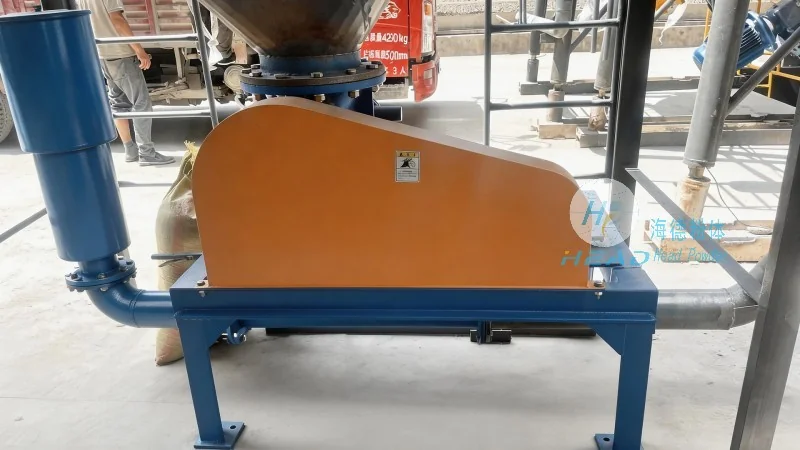
Another significant benefit is the flexibility of the system, which allows for easy integration with existing production lines. The conveying lines can be configured to follow the layout of the facility, minimizing the need for additional space or structural modifications. This flexibility also enables the system to be adapted for different production volumes, making it suitable for both small-scale and large-scale operations.
The efficiency of the pneumatic conveying system is another critical factor. By using air to transport the material, the system can achieve high throughput rates with minimal energy consumption compared to traditional mechanical conveying methods. This results in lower operational costs and reduced environmental impact. Additionally, the system's ability to handle fine powders without causing agglomeration or degradation makes it ideal for stearic acid sodium, which is sensitive to mechanical stress.
Conclusion
Pneumatic conveying of stearic acid sodium is a reliable and efficient method for material handling in various industrial applications. The principles behind this technology, combined with the specific characteristics of the working scenes, ensure that the material is transported safely and effectively. The systems used by companies like Shandong HeadPowder Engineering Co., Ltd. in China are designed to meet the highest standards of performance and reliability, providing customers with a solution that enhances their production processes and reduces operational costs.




