Understanding the fundamental principles and operational characteristics of coke powder pneumatic conveying systems is crucial for industries that rely on efficient material handling. This article delves into the technical aspects and practical applications of such systems, highlighting how they enhance productivity and safety in material transport processes.
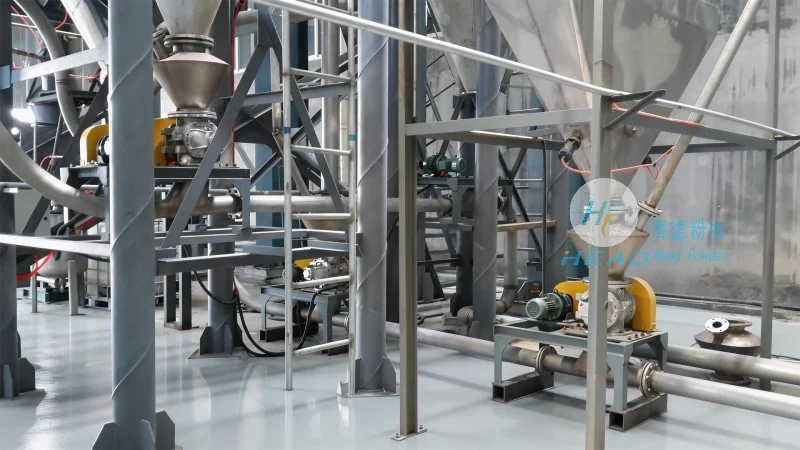
Overview of Pneumatic Conveying Technology
Pneumatic conveying systems utilize air or other gases to transport solid materials like coke powder through a pipeline network. The core principle involves creating a pressure differential or using vacuum to move the material from the source to the destination. This method offers several advantages over traditional mechanical conveying, including reduced equipment wear, lower maintenance requirements, and the ability to handle materials that are dusty or have a tendency to clump.
The Working Principle of Coke Powder Pneumatic Conveying
The operation of a coke powder pneumatic conveying system typically involves a series of key components. At the source, the coke powder is fed into a hopper or feeder, which then transfers the material into the conveying line. A blower or compressor generates the necessary air flow, which propels the powder particles through the pipeline. The system may employ different modes of operation, such as pressure or vacuum systems, depending on the specific application and distance requirements. The design of the system, including the size of the pipeline, the type of air flow control, and the placement of in-line devices like cyclones or filters, directly impacts its efficiency and effectiveness.
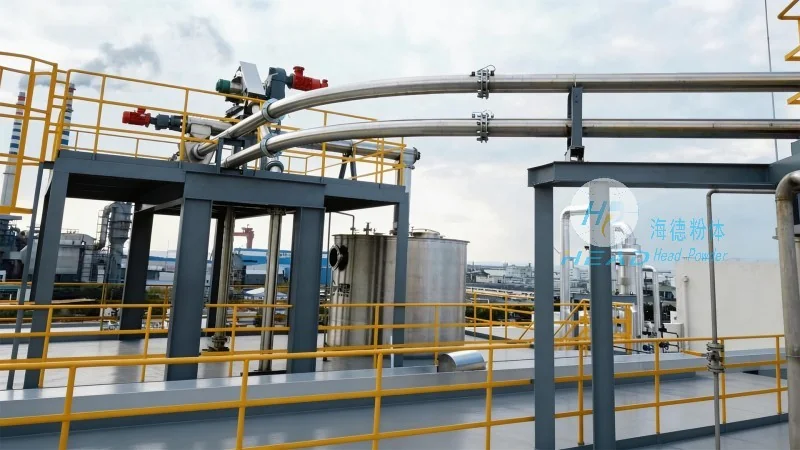
Key Components and Their Functions
Several critical components work in tandem to ensure the smooth operation of a coke powder pneumatic conveying system. The feeder or hopper is responsible for maintaining a consistent flow of coke powder into the system, preventing blockages and ensuring uniform material transport. The blower or compressor provides the driving force, generating the air pressure or vacuum needed to move the material. The pipeline network, made from materials like stainless steel or plastic, must be designed to withstand the pressure and temperature conditions of the conveying process. In-line devices such as cyclones are used to separate the powder from the air stream, allowing for material recovery and air filtration. Additionally, control valves and sensors are integrated to monitor and regulate the system's performance, ensuring optimal operation and preventing issues like overpressure or material buildup.
Working Scene Characteristics: Applications and Benefits
The working scene characteristics of coke powder pneumatic conveying systems are tailored to meet the diverse needs of industrial applications. These systems are commonly used in steel plants, where coke powder is transported from storage silos to blast furnaces or other processing units. The ability to handle large volumes of material over long distances with minimal human intervention makes them ideal for such high-volume operations. In addition to steel production, these systems are also utilized in chemical and petrochemical industries for transporting coke-based materials, as well as in power generation facilities for handling coal-derived powders.
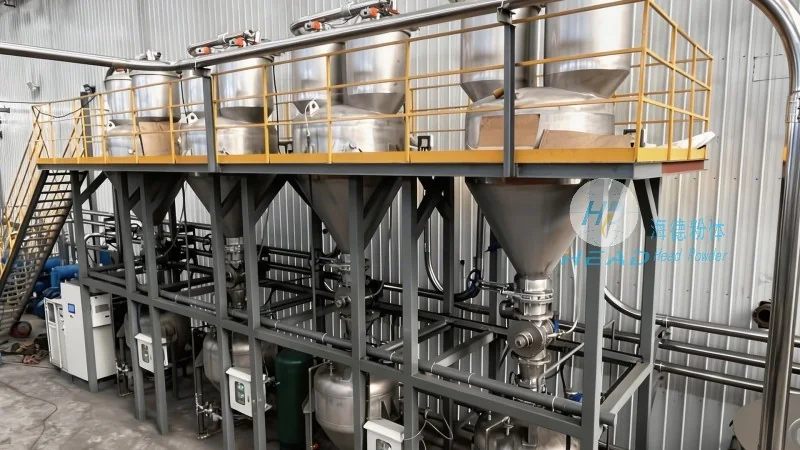
Advantages of Using Pneumatic Conveying for Coke Powder
Implementing a pneumatic conveying system for coke powder offers numerous benefits that enhance operational efficiency and safety. One of the primary advantages is the reduction in dust exposure, as the material is contained within the pipeline, minimizing the risk of respiratory issues for workers. This containment also reduces the risk of material spillage and environmental contamination, making the process more environmentally friendly. Additionally, pneumatic conveying systems can handle materials with varying particle sizes and moisture content, adapting to different production requirements. The automated nature of these systems reduces labor costs and improves consistency in material transport, leading to higher overall productivity. Furthermore, the compact design of many pneumatic conveying systems allows for easier integration into existing industrial facilities, minimizing the need for extensive modifications.
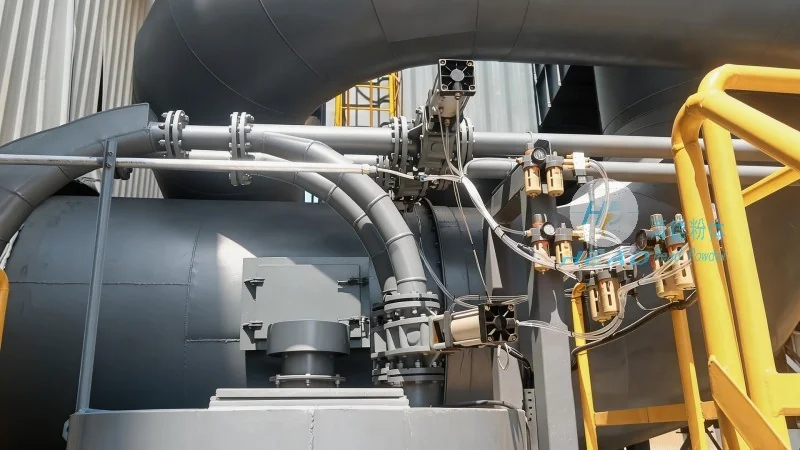
Case Study: HeadPowder's Pneumatic Conveying Solutions
Shandong HeadPowder Engineering Co., Ltd., a leading provider of material handling solutions, specializes in designing and manufacturing customized pneumatic conveying systems for coke powder applications. With years of experience in the industry, HeadPowder has developed advanced systems that address the unique challenges of coke powder transport, such as its tendency to clump or create dust. The company's expertise lies in optimizing system design to ensure efficient material flow, minimal energy consumption, and long-term reliability. By leveraging cutting-edge technology and rigorous testing, HeadPowder ensures that its systems meet the highest standards of performance and safety, providing clients with reliable solutions that enhance their operational capabilities.
Conclusion and Future Trends
In conclusion, coke powder pneumatic conveying systems represent a sophisticated and efficient method for handling solid materials in industrial settings. The principles and characteristics of these systems, as outlined above, highlight their versatility and adaptability to various applications. As industries continue to seek more efficient and sustainable material handling solutions, the demand for advanced pneumatic conveying systems is expected to grow. Companies like Shandong HeadPowder Engineering Co., Ltd. play a vital role in meeting this demand by providing innovative and reliable solutions that enhance productivity and safety in material transport processes.




