HeadPowder, a leading enterprise in the field of pneumatic conveying technology, specializes in the design, manufacturing, and application of advanced pneumatic conveying systems. This article delves into the fundamental principles of the Xiaomi pneumatic conveying system and explores its distinctive working scene characteristics, providing a comprehensive understanding of this efficient material handling solution.
Overview of Pneumatic Conveying Systems
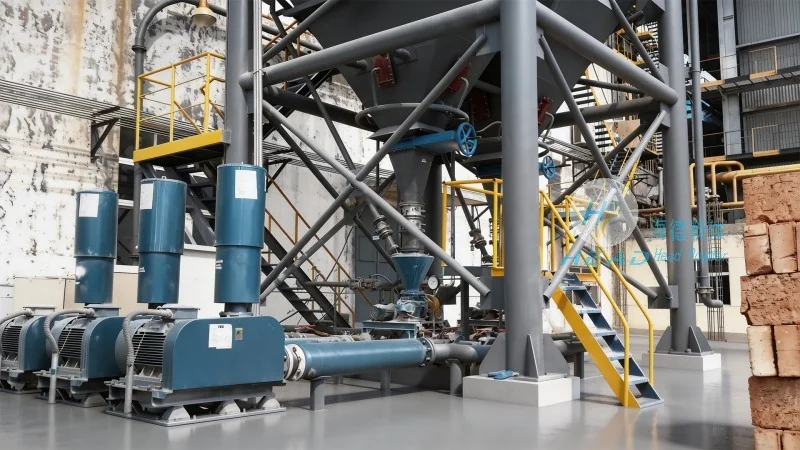
Pneumatic conveying systems are engineered to transport bulk materials such as powders, granules, and small particles through a pipeline using compressed air or other gas streams. The core principle involves creating a pressure differential that propels the material along the pipeline, enabling seamless and continuous material movement. This technology offers significant advantages over traditional mechanical conveying methods, including reduced equipment wear, lower maintenance costs, and enhanced safety in handling potentially hazardous materials.
The Working Principle of the Xiaomi Pneumatic Conveying System
The Xiaomi pneumatic conveying system operates based on the fundamental principle of fluid dynamics and material flow. It typically consists of several key components, including a hopper for material storage, a conveyor line, a blower or compressor to generate the necessary air pressure, and a control system to regulate the flow. The process begins with material being fed from the hopper into the conveyor line. As compressed air is introduced, it creates a low-pressure zone that draws the material into the pipeline. The air and material mixture then travels through the system, with the air pressure maintaining the material's suspension and guiding it to the discharge point. The system's design ensures optimal air-to-material ratios, which is crucial for efficient transport and minimizing energy consumption.
Key Components and Their Functions
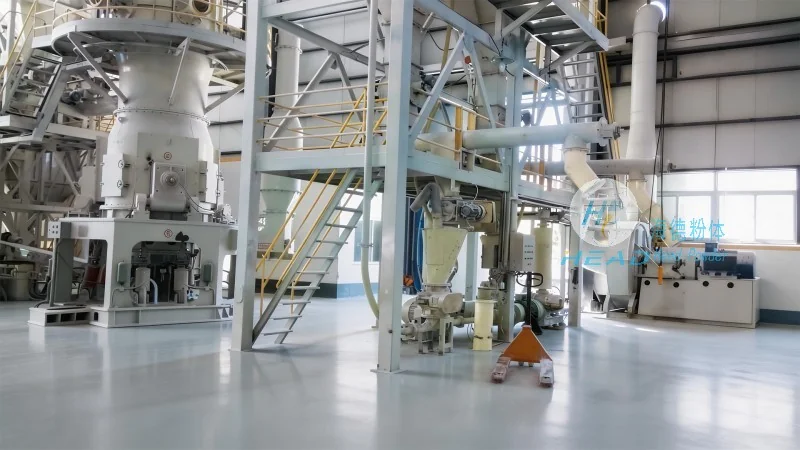
Several critical components work in tandem to ensure the smooth operation of the Xiaomi pneumatic conveying system. The material hopper serves as the initial storage and feeding unit, allowing for consistent material supply. The conveyor line, often made of durable materials like stainless steel or plastic, provides the pathway for material transport. The blower or compressor is responsible for generating the compressed air, which is the driving force behind the conveying process. The control system, equipped with sensors and valves, monitors and adjusts the air pressure and material flow to maintain optimal performance. Additionally, features such as cyclone separators or filters may be integrated to separate the material from the air stream, ensuring clean and efficient operation.
Working Scene Characteristics and Applications
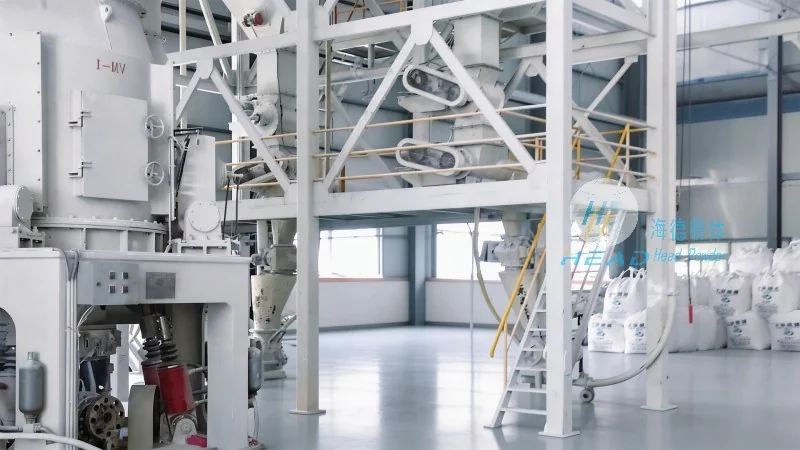
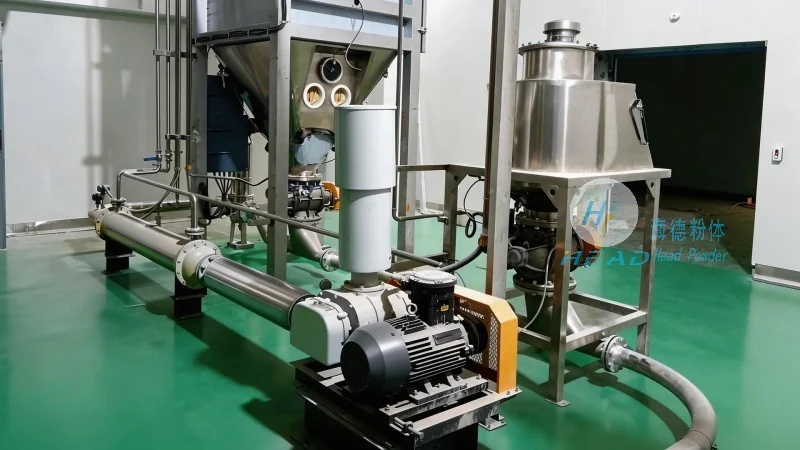
The Xiaomi pneumatic conveying system is designed to meet diverse industrial requirements, making it suitable for a wide range of working scenes. In manufacturing facilities, it is commonly used for transporting raw materials to production lines, ensuring a steady supply of components for processing. In food processing industries, the system's ability to handle hygienic materials, often with stainless steel components, makes it ideal for conveying powders and granules without contamination. The system is also widely applied in chemical and pharmaceutical sectors, where precise control over material handling is essential to maintain product quality and safety. Furthermore, its adaptability allows for integration into existing production lines, minimizing downtime and facilitating seamless workflow transitions.
Advantages and Performance Metrics
One of the primary advantages of the Xiaomi pneumatic conveying system is its high efficiency in material transport. By utilizing compressed air, the system can achieve long-distance transport with minimal energy consumption compared to traditional methods. The design also reduces the risk of material degradation, as the material is kept in a controlled environment, free from external contaminants. Another key benefit is the system's flexibility, which allows for easy adjustments to accommodate varying material types and flow rates. Performance metrics, such as conveying capacity, pressure drop, and energy efficiency, are optimized through advanced engineering, ensuring reliable and consistent operation. The system's durability and low maintenance requirements further enhance its cost-effectiveness, making it a preferred choice for industries seeking sustainable and efficient material handling solutions.
Conclusion
HeadPowder's Xiaomi pneumatic conveying system exemplifies the integration of advanced technology and practical application in material handling. By understanding its working principle and working scene characteristics, industries can leverage this efficient solution to enhance productivity, reduce operational costs, and improve overall material management. With its robust design and adaptability, the system continues to serve as a vital component in modern industrial operations, supporting the seamless flow of materials from storage to processing and beyond.




