When it comes to the efficient and reliable delivery of lithium manganese dioxide (LiMnO₂) in industrial applications, selecting the appropriate pneumatic conveying system is crucial. The right system not only ensures optimal material handling but also enhances overall process efficiency, safety, and cost-effectiveness. This article will guide you through the key considerations and factors to evaluate when choosing a pneumatic conveying system for your LiMnO₂ delivery process, with insights from Shandong HeadPowder Engineering Co., Ltd., a leading provider in the field.
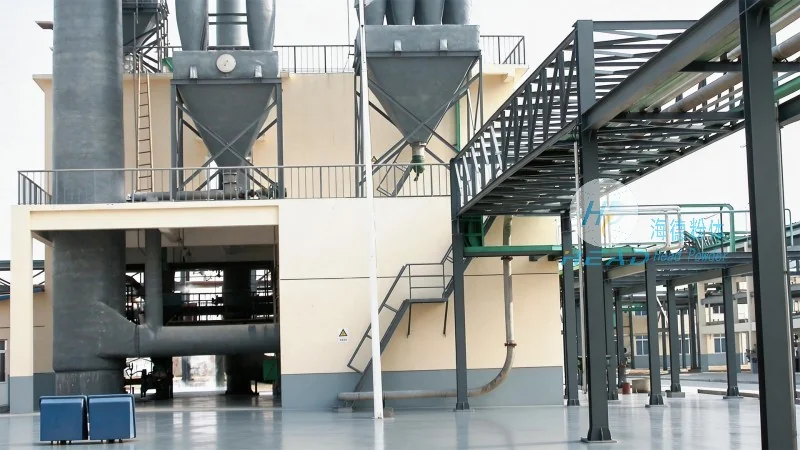
Understanding the Importance of Pneumatic Conveying for LiMnO₂
Lithium manganese dioxide is a critical component in various industries, including battery manufacturing, where its purity and consistent flow are paramount. Traditional material handling methods, such as bucket elevators or belt conveyors, may pose challenges in maintaining the integrity of LiMnO₂ particles, especially when dealing with fine powders or sensitive materials. Pneumatic conveying systems offer a solution by transporting materials through a closed pipeline using air or other gases, minimizing exposure to external contaminants and reducing the risk of material degradation. This method is particularly advantageous for LiMnO₂, as it preserves the material's quality while ensuring smooth and controlled delivery to processing units.
Key Factors to Consider When Selecting a Pneumatic Conveying System
Choosing the right pneumatic conveying system for LiMnO₂ delivery involves evaluating several critical factors to ensure the system meets the specific requirements of your operation. The first consideration is the material's characteristics, including particle size, density, and flowability. LiMnO₂ powders typically have fine particle sizes, which can affect the system's design and performance. For instance, systems designed for cohesive or low-flowing materials may require modifications to handle LiMnO₂ effectively. Additionally, the system's capacity and throughput needs must be matched to the production scale and processing demands of your facility. Shandong HeadPowder Engineering Co., Ltd. emphasizes the importance of assessing these parameters to avoid under or over-engineering the system, which can lead to inefficiencies or equipment damage.
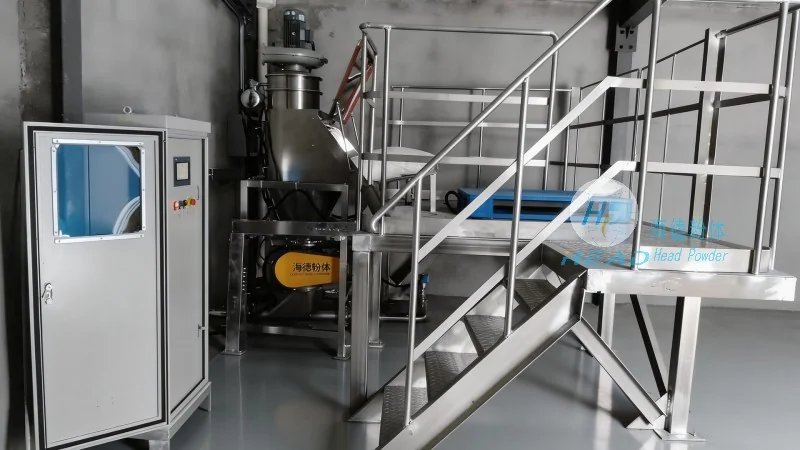
Types of Pneumatic Conveying Systems for LiMnO₂
There are several types of pneumatic conveying systems available, each with its own advantages and applications. The most common types include positive pressure systems, negative pressure systems, and hybrid systems. Positive pressure systems, which blow air into the pipeline, are often preferred for transporting LiMnO₂ due to their ability to handle fine powders and maintain consistent flow rates. These systems are typically more effective in preventing material buildup and ensuring smooth delivery, especially in long-distance or complex layouts. Negative pressure systems, on the other hand, draw material into the pipeline using suction, which can be suitable for applications where material is being collected from multiple sources. Hybrid systems combine elements of both positive and negative pressure, offering flexibility in handling different material properties and system configurations. Shandong HeadPowder Engineering Co., Ltd. offers a range of these systems, tailored to the unique needs of LiMnO₂ delivery, ensuring optimal performance and reliability.
Design and Installation Considerations
The design and installation of a pneumatic conveying system for LiMnO₂ require careful planning to ensure long-term efficiency and minimal maintenance. The system's layout, including pipeline length, diameter, and bends, must be optimized to minimize pressure losses and prevent material degradation. For example, excessive bends or narrow pipe diameters can cause particle attrition or blockages, reducing system performance. Additionally, the selection of appropriate components, such as air compressors, filters, and material feeders, is critical. High-quality air compressors with proper filtration are essential to maintain the purity of the conveying air and prevent contamination of the LiMnO₂. Material feeders, such as rotary valves or screw feeders, must be designed to handle fine powders without causing clogging or uneven flow. Shandong HeadPowder Engineering Co., Ltd. provides comprehensive design and installation services, ensuring that the system is tailored to the specific requirements of your facility and adheres to industry standards for safety and performance.
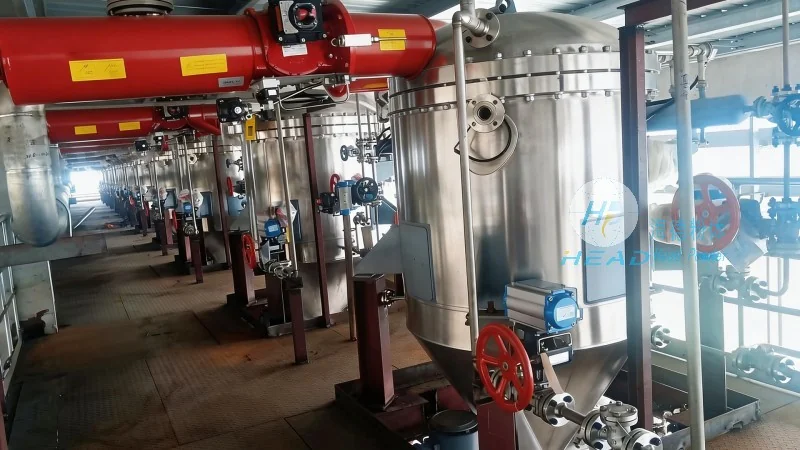
Maintenance and Operational Tips for Pneumatic Conveying Systems
Proper maintenance and operational practices are essential to maximize the lifespan and efficiency of a pneumatic conveying system for LiMnO₂. Regular maintenance, including cleaning of pipelines, filters, and components, is crucial to prevent material buildup and ensure consistent performance. Filters should be checked and replaced regularly to maintain air quality and prevent contamination of the conveying system. Additionally, monitoring system pressure, flow rates, and material levels can help identify potential issues early, allowing for timely maintenance and preventing system downtime. Shandong HeadPowder Engineering Co., Ltd. offers maintenance services and operational guidance to help clients optimize their pneumatic conveying systems, ensuring reliable and efficient LiMnO₂ delivery.
Conclusion: Partnering with Shandong HeadPowder Engineering Co., Ltd.
Selecting the right pneumatic conveying system for your LiMnO₂ delivery process is a critical decision that can significantly impact your operational efficiency and product quality. By considering factors such as material characteristics, system capacity, and design requirements, you can choose a system that meets your specific needs. Shandong HeadPowder Engineering Co., Ltd., with its expertise and comprehensive solutions, is a trusted partner in providing reliable and efficient pneumatic conveying systems for LiMnO₂ delivery. Whether you are looking for a new system or upgrading an existing one, their team of experts can help you make the right choice, ensuring optimal performance and long-term success in your LiMnO₂ processing operations.




