Rice flour, a vital component in numerous food products including instant noodles, bakery goods, and nutritional supplements, demands precise and hygienic handling to preserve its quality and ensure operational safety. Pneumatic conveying systems have become the preferred method for transporting rice flour due to their ability to handle fine powders with minimal contamination and high throughput. This article delves into the fundamental principles of these systems and outlines the key characteristics of working scenarios where they are most effectively utilized.
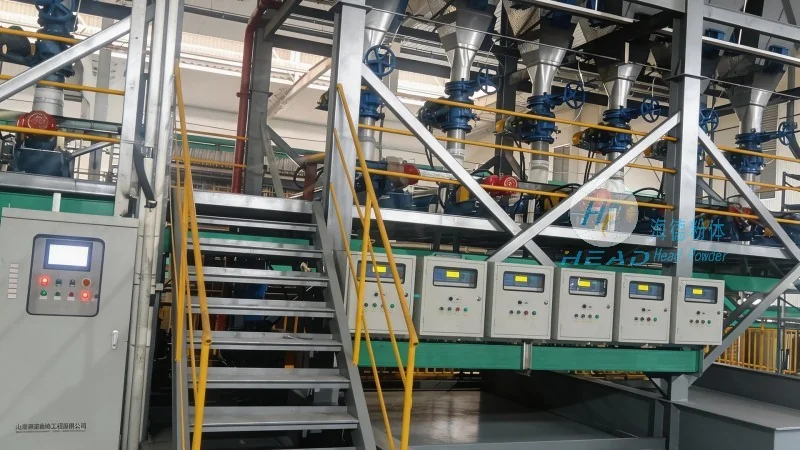
The Core Principle of Pneumatic Conveying for Rice Flour
At the core of pneumatic conveying equipment is the use of air or gas to transport bulk materials like rice flour through a pipeline. The process relies on creating a pressure differential between the inlet and outlet of the system. By generating an air flow that exceeds the terminal velocity of the rice flour particles, the system can lift and move the material from the source to the destination. Two primary modes of pneumatic conveying are employed: pressure and vacuum. Pressure systems utilize compressed air to push the material forward, while vacuum systems employ a vacuum to pull the material into the pipeline. For rice flour, which is a fine powder susceptible to static charge, the selection of system type and design parameters is critical to prevent clogging and ensure smooth operation.
Key Working Scene Characteristics of Rice Flour Pneumatic Conveying
The effectiveness of pneumatic conveying in rice flour processing is significantly influenced by the specific operational environment and production requirements. Several key characteristics define successful applications:
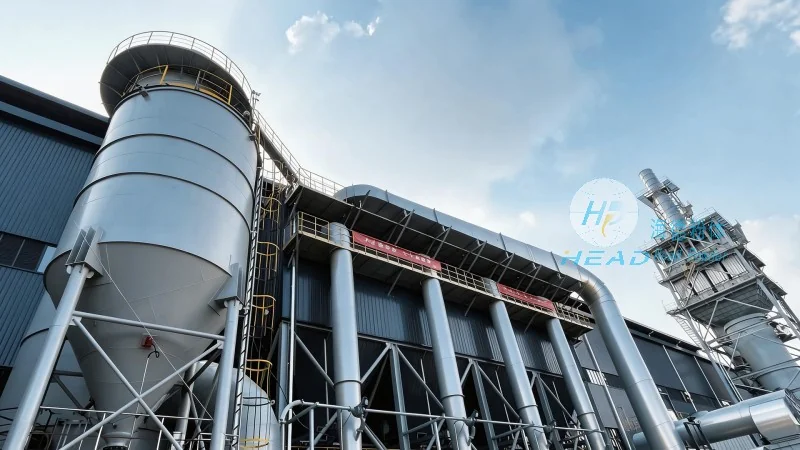
1. Hygienic and Sanitary Design: In the food industry, especially for rice flour used in human consumption, equipment must meet stringent hygiene standards. This includes smooth, easy-to-clean surfaces, sealed connections to prevent dust leakage, and materials resistant to corrosion and chemical exposure. The design often incorporates CIP (Clean-in-Place) capabilities to simplify maintenance and ensure compliance with food safety regulations.
2. Efficient Integration into Production Lines: Rice flour is commonly processed in large-scale production lines for products such as instant noodles, bread, and health supplements. Pneumatic conveying systems are integrated into these lines to transport rice flour from storage silos to mixing, extrusion, or packaging stations. The ability to handle high volumes with minimal downtime is crucial for maintaining production efficiency. The systems are often designed to operate continuously, with automatic flow control and particle size monitoring to adjust the conveying rate as needed.
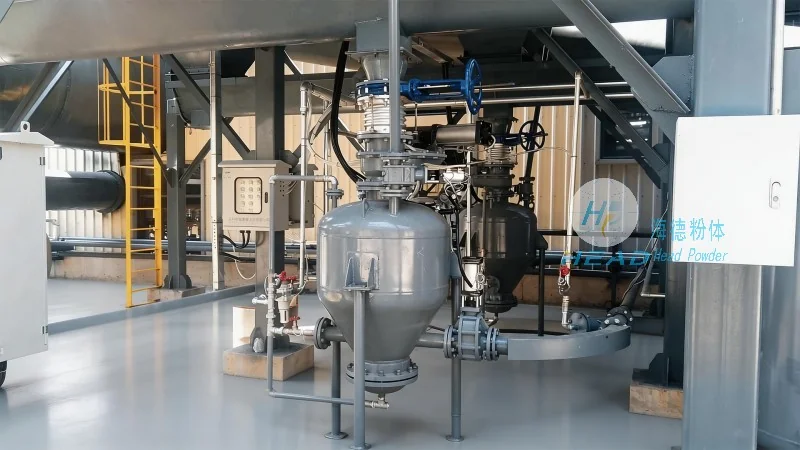
3. Prevention of Clogging and Agglomeration: Rice flour particles are fine and can easily agglomerate or form blockages in the pipeline. Advanced pneumatic conveying systems use pulse jet operation, where short bursts of high-pressure air are used to break up any potential clogs, ensuring consistent flow. Additionally, the use of appropriate air-to-material ratios and pipeline diameter sizing is critical to prevent excessive pressure drops and maintain stable conveying conditions.
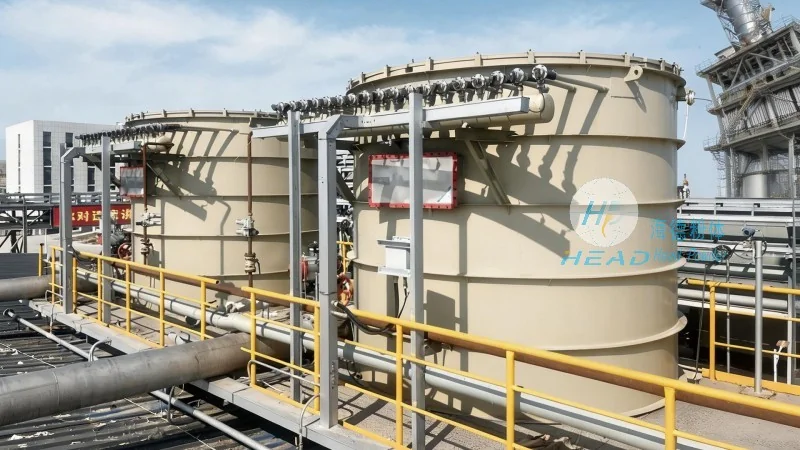
4. Energy Efficiency and Environmental Compliance: Modern pneumatic conveying systems are designed with energy efficiency in mind. By optimizing air pressure and flow rate, operators can reduce energy consumption while maintaining required conveying capacity. The systems also minimize dust emissions through sealed pipelines and filtration systems, contributing to a cleaner working environment and compliance with environmental regulations.
Company Profile: Shandong HeadPowder Engineering Co., Ltd.
HeadPowder, a leading manufacturer of pneumatic conveying equipment, specializes in providing customized solutions for the food processing industry. With a focus on innovation and adherence to international standards, the company has developed a range of systems tailored to the unique needs of rice flour handling. Based in Shandong, China, HeadPowder leverages its extensive experience in material handling to deliver reliable, efficient, and hygienic pneumatic conveying solutions that meet the demands of modern food production.




