When it comes to optimizing cement clinker handling processes, selecting the appropriate pneumatic conveying system is a critical decision that impacts operational efficiency, cost-effectiveness, and overall production reliability. For industrial facilities dealing with cement clinker, the choice of a pneumatic conveying system must align with specific operational requirements, material characteristics, and long-term business objectives. This article provides a comprehensive guide to help you navigate the selection process, ensuring you choose a system that meets your unique needs while leveraging the expertise of industry leaders like Shandong HeadPowder Engineering Co., Ltd.
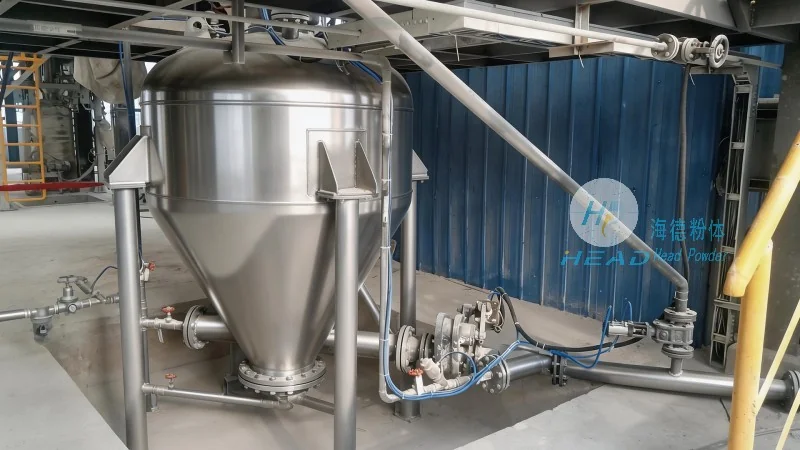
Understanding the Role of Pneumatic Conveying in Cement Clinker Handling
Pneumatic conveying systems are essential for transporting cement clinker from storage silos, processing units, or production lines to various destinations within a cement plant. These systems utilize air pressure or vacuum to move bulk materials, offering advantages such as reduced labor costs, minimized material degradation, and enhanced safety compared to traditional methods like belt conveyors or bucket elevators. The primary goal of selecting a suitable system is to ensure consistent material flow, maintain product quality, and support seamless integration with existing infrastructure.
Key Factors to Consider When Choosing a Pneumatic Conveying System
Several critical factors must be evaluated when selecting a pneumatic conveying system for cement clinker. First, the material's physical properties, including particle size, density, and moisture content, play a significant role in determining the most effective system design. For example, fine or cohesive clinker particles may require a different approach than larger, free-flowing materials. Second, the distance and elevation changes between the source and destination points influence the system's capacity and energy consumption. Third, operational requirements such as batch sizes, production rates, and maintenance schedules should be considered to ensure the system can meet current and future demands. Additionally, the system's compatibility with existing equipment and the plant's layout is crucial for minimizing installation time and costs.
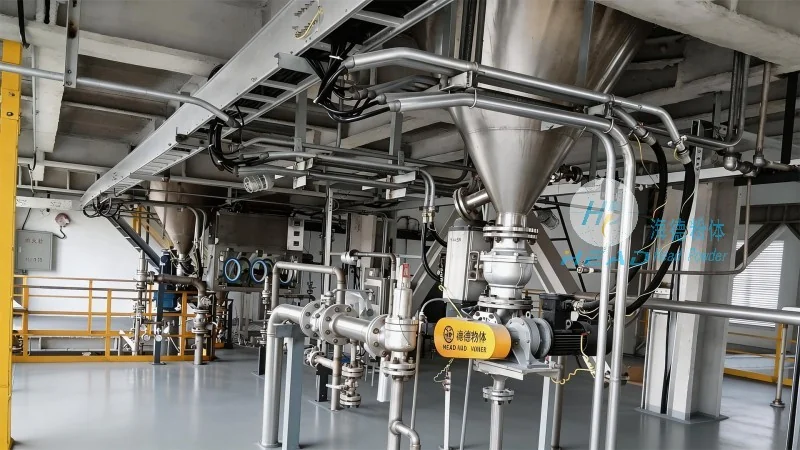
Types of Pneumatic Conveying Systems for Cement Clinker
There are two main categories of pneumatic conveying systems: pressure and vacuum systems. Pressure systems use compressed air to push material through a pipeline, while vacuum systems use a vacuum to pull material. For cement clinker, pressure systems are often preferred due to their ability to handle higher material loads and longer distances. Within pressure systems, there are further subcategories, including positive displacement blowers and rotary lobe pumps, each with distinct characteristics and applications. Vacuum systems, on the other hand, are more suitable for shorter distances or when the material needs to be transported from multiple sources to a single destination. Understanding these differences helps in selecting the most appropriate system for your specific cement clinker handling needs.
HeadPowder's Expertise in Cement Clinker Pneumatic Conveying Solutions
Shandong HeadPowder Engineering Co., Ltd. is a leading provider of customized pneumatic conveying solutions tailored to the cement industry. With years of experience and a deep understanding of cement clinker handling processes, HeadPowder offers a range of systems designed to optimize efficiency and reliability. The company's team of engineers works closely with clients to assess their specific requirements, conduct thorough site evaluations, and develop tailored solutions that address unique challenges such as material variability, space constraints, and environmental regulations. HeadPowder's commitment to quality and innovation ensures that their systems are not only effective but also durable and low-maintenance, providing long-term value to their clients.
Customization and Integration: Tailoring Pneumatic Conveying Systems to Your Needs
Every cement plant has unique operational conditions, and a one-size-fits-all approach to pneumatic conveying is rarely effective. HeadPowder recognizes this and offers comprehensive customization options to ensure that the selected system integrates seamlessly with existing infrastructure and meets all operational requirements. This includes designing systems with appropriate pipe sizes, air velocities, and pressure levels, as well as incorporating features such as material separators, filters, and control systems to enhance performance and safety. The company's engineering team uses advanced software and simulation tools to model the system's performance before installation, allowing for adjustments to be made to optimize efficiency and minimize energy consumption. By focusing on customization, HeadPowder ensures that their clients receive a system that is perfectly suited to their specific cement clinker handling process.
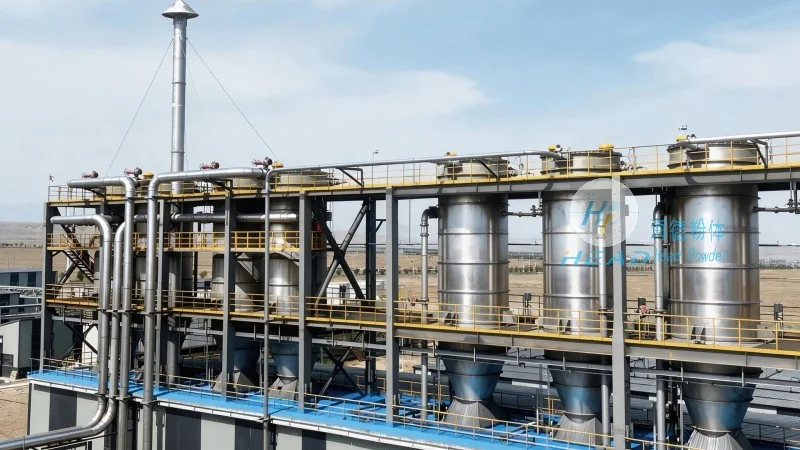
Ensuring Reliability and Longevity: Maintenance and Support
Investing in a high-quality pneumatic conveying system is only the first step; ensuring its long-term reliability requires proper maintenance and support. HeadPowder provides comprehensive after-sales services, including regular maintenance, spare parts availability, and technical support, to help clients maximize the system's lifespan and performance. The company's team of experienced technicians is available to address any issues that may arise, providing timely solutions to minimize downtime and maintain consistent material flow. Additionally, HeadPowder offers training programs for plant personnel to ensure they are equipped to operate and maintain the system effectively, further enhancing the overall reliability of the process.
Conclusion: Making the Right Choice for Your Cement Clinker Handling Process
Selecting the right pneumatic conveying system for your cement clinker handling process is a decision that requires careful consideration of various factors, including material properties, operational requirements, and system integration. By leveraging the expertise of industry leaders like Shandong HeadPowder Engineering Co., Ltd., you can ensure that your choice is not only effective but also aligned with your long-term business goals. HeadPowder's commitment to quality, customization, and customer support makes them an ideal partner for optimizing your cement clinker handling operations. Whether you are upgrading an existing system or installing a new one, HeadPowder's solutions are designed to enhance efficiency, reduce costs, and improve overall production reliability, helping you achieve your operational objectives with confidence.




