When it comes to managing textile fiber processing operations, selecting the appropriate pneumatic conveying system is crucial for maintaining efficiency, product quality, and operational reliability. The right system can significantly impact production throughput, material handling costs, and overall process stability. This guide provides insights into the key factors and considerations that should guide your decision-making process when choosing a pneumatic conveying system for textile fiber applications.
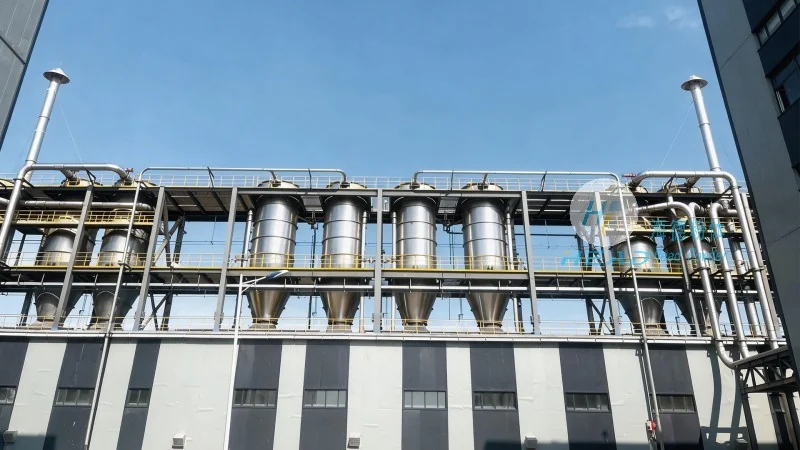
Understanding the Core Requirements of Textile Fiber Handling
Textile fibers, whether natural or synthetic, present unique challenges during material transport. These materials often vary in size, density, and moisture content, which directly influences the type of conveying system required. For instance, fine fibers like cotton or polyester may require systems designed to handle low-pressure, low-velocity conveying to prevent product degradation or dust generation. In contrast, bulkier fibers such as wool or synthetic blends might necessitate high-pressure or high-velocity systems capable of handling larger particle sizes and higher material loads. Understanding these material characteristics is the first step in selecting an appropriate system.
Key Factors to Consider When Evaluating Pneumatic Conveying Options
Several critical factors must be evaluated when selecting a pneumatic conveying system for textile fiber processing. The first consideration is the system's pressure and velocity capabilities. Low-pressure systems typically operate at pressures below 15 psi and are suitable for gentle material handling, minimizing product damage. High-pressure systems, on the other hand, can handle pressures up to 100 psi or more, providing greater flexibility for transporting a wider range of materials, including abrasive or sticky fibers. Additionally, the system's capacity and flow rate are essential, as they determine the volume of material that can be transported per unit time. This is particularly important for high-throughput operations where consistent material flow is critical.
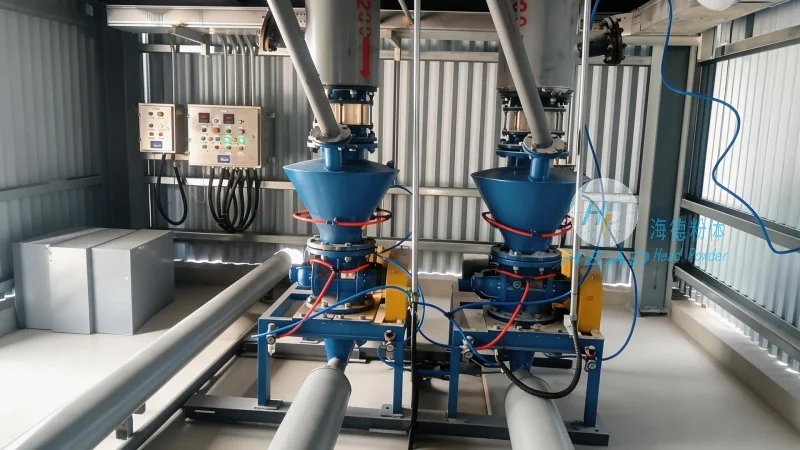
Types of Pneumatic Conveying Systems for Textile Applications
There are several types of pneumatic conveying systems commonly used in textile processing, each with distinct advantages and applications. The most common types include pressure, vacuum, and mixed systems. Pressure systems use compressed air to push material through the conveying line, making them ideal for short to medium distances and handling a variety of materials. Vacuum systems, conversely, use suction to draw material into the system, which is suitable for applications requiring material collection from multiple points or for handling materials that are difficult to push. Mixed systems combine elements of both pressure and vacuum, offering flexibility for complex material handling scenarios. For textile fibers, pressure systems are often preferred due to their ability to handle fine particles and minimize product degradation.
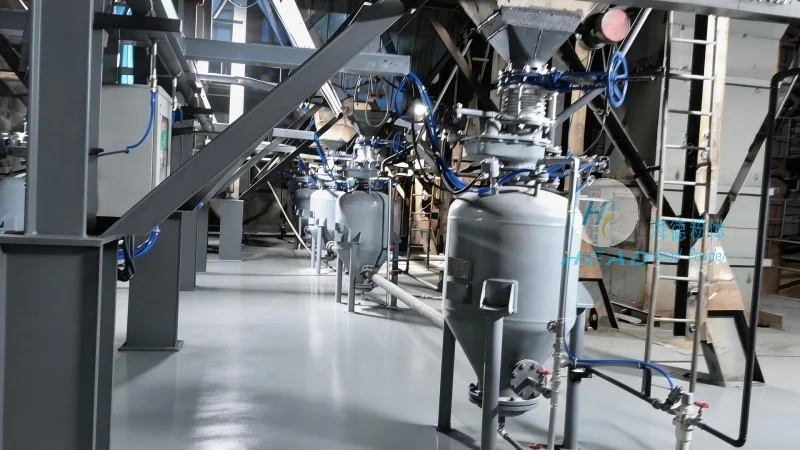
Material Handling Considerations and System Design
The design of a pneumatic conveying system must account for the specific properties of textile fibers. For example, systems should be equipped with appropriate filtration and separation components to prevent fiber buildup in the conveying line, which can lead to blockages and reduced efficiency. Additionally, the use of corrosion-resistant materials and components is essential, as many textile fibers may contain chemicals or be exposed to moisture during processing. The system's maintenance requirements and operational costs should also be considered, as regular maintenance is crucial for ensuring consistent performance and minimizing downtime. A well-designed system should balance performance with ease of maintenance and cost-effectiveness.
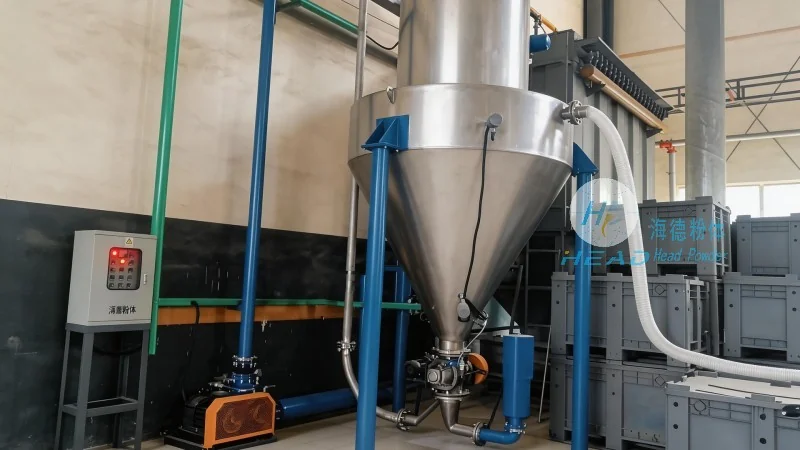
Case Study: HeadPowder Engineering's Solutions for Textile Fiber Handling
Shandong HeadPowder Engineering Co., Ltd., a leading provider of pneumatic conveying solutions, offers tailored systems designed to meet the specific needs of textile fiber processing. With years of experience in the industry, HeadPowder understands the unique challenges of handling fine and delicate fibers. Their systems are engineered to provide gentle material transport, ensuring product integrity and minimizing damage during handling. The company's expertise lies in customizing systems to match the specific material characteristics, production volumes, and operational requirements of each client. By leveraging advanced engineering and material science, HeadPowder delivers solutions that enhance operational efficiency and reduce overall material handling costs.
Conclusion: Making an Informed Decision for Your Textile Fiber Handling Process
Selecting the right pneumatic conveying system for textile fiber handling requires careful consideration of material properties, operational requirements, and system capabilities. By evaluating factors such as pressure, velocity, capacity, and system design, you can choose a solution that optimizes performance and ensures long-term reliability. For businesses seeking reliable and efficient material handling solutions, Shandong HeadPowder Engineering Co., Ltd. provides expert guidance and customized systems that meet the highest standards of quality and performance. By partnering with a trusted provider like HeadPowder, textile manufacturers can enhance their operational efficiency and maintain product quality throughout the processing chain.




