Lithium fluoride (LiF) is a widely used chemical compound in various industrial applications, including nuclear energy, aerospace, and pharmaceuticals. The efficient and safe transportation of LiF is crucial for maintaining production efficiency and ensuring operational safety. Pneumatic conveying systems have emerged as a reliable solution for handling such materials, offering advantages over traditional methods like belt conveyors or bucket elevators. This article explores the fundamental principles of lithium fluoride pneumatic conveying systems and highlights the key characteristics of working scenes where these systems are typically deployed.
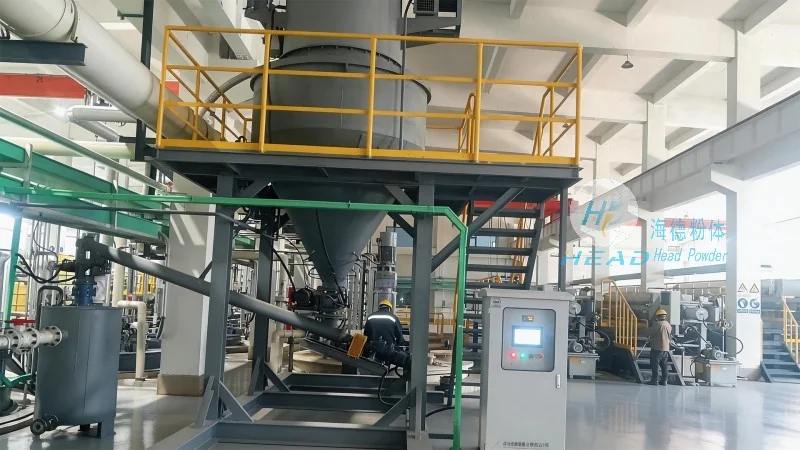
Principle of Pneumatic Conveying for Lithium Fluoride
The core principle of pneumatic conveying involves the use of compressed air or other gases to transport bulk materials through a pipeline. In the case of lithium fluoride, the system operates by creating a flow of air that lifts and moves the solid particles of LiF through the pipeline. There are two main types of pneumatic conveying systems: dilute-phase and dense-phase. Dilute-phase systems use higher air velocities to keep the material suspended in the air stream, suitable for short distances and low to medium material loads. Dense-phase systems, on the other hand, use lower air velocities and higher material concentrations, which is ideal for transporting sensitive materials like LiF over longer distances without causing degradation or particle breakage.
Key Working Scene Characteristics
The working scene characteristics of lithium fluoride pneumatic conveying systems are influenced by several factors, including the nature of the material, the distance to be covered, and the required throughput. In industrial settings, these systems are often deployed in environments where material handling needs to be integrated with other processes, such as in chemical plants, nuclear facilities, or research laboratories. The characteristics of the working scene include:
1. **Material Handling Requirements**: Lithium fluoride is a fine powder with specific handling requirements due to its chemical properties. The pneumatic conveying system must be designed to prevent material degradation, caking, or agglomeration, which could affect downstream processes. The system's design, including the choice of pipeline materials and air filtration, plays a critical role in maintaining the quality of the conveyed material.
2. **Distance and Throughput**: The length of the conveying line and the required material flow rate are key considerations. For short distances, dilute-phase systems may be sufficient, while for longer distances, dense-phase systems with higher material concentrations are preferred to ensure efficient transport without excessive energy consumption.
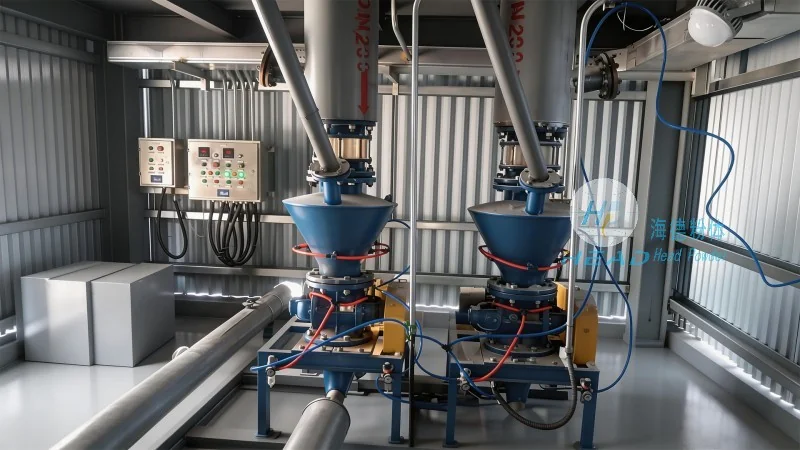
3. **Environmental and Safety Considerations**: Handling lithium fluoride requires strict adherence to safety protocols due to its potential reactivity and the need to prevent dust emissions. Pneumatic conveying systems are designed with enclosed pipelines and efficient dust collection systems to minimize environmental impact and ensure operator safety. The system's design also considers the need for explosion-proof components in environments where flammable gases or dust may be present.
4. **Integration with Existing Infrastructure**: Many industrial facilities already have existing infrastructure, such as pipelines or processing equipment. The lithium fluoride pneumatic conveying system must be designed to integrate seamlessly with these existing systems, minimizing disruption to current operations and ensuring compatibility with other process equipment.
Application Examples in Industrial Settings
Lithium fluoride pneumatic conveying systems are commonly used in various industrial applications where the material needs to be transported from one processing stage to another. For instance, in nuclear fuel fabrication plants, LiF is used as a component in fuel rods and must be transported safely and efficiently from storage to the fuel fabrication line. In pharmaceutical manufacturing, LiF may be used as a raw material or intermediate, and the pneumatic conveying system ensures that it is delivered to the production line without contamination or loss.
In research and development laboratories, the system is used to transport small quantities of LiF for experimental purposes, where precision and control are essential. The working scene in such settings is typically characterized by low throughput and high precision requirements, making the system's design tailored to meet these specific needs.
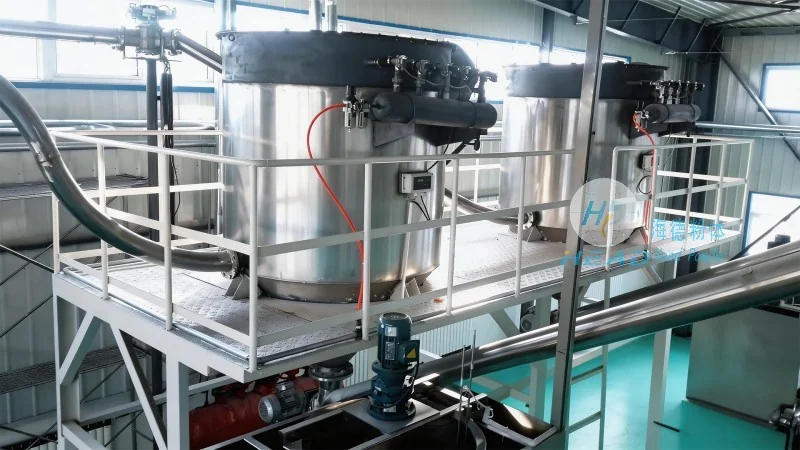
Advantages of Lithium Fluoride Pneumatic Conveying Systems
Compared to traditional material handling methods, lithium fluoride pneumatic conveying systems offer several advantages. These include:
1. **Non-Contact Handling**: The material is transported without physical contact with the conveying equipment, reducing the risk of contamination and material degradation.
2. **Versatility**: The system can handle a wide range of material sizes and shapes, from fine powders to granules, making it suitable for various applications.
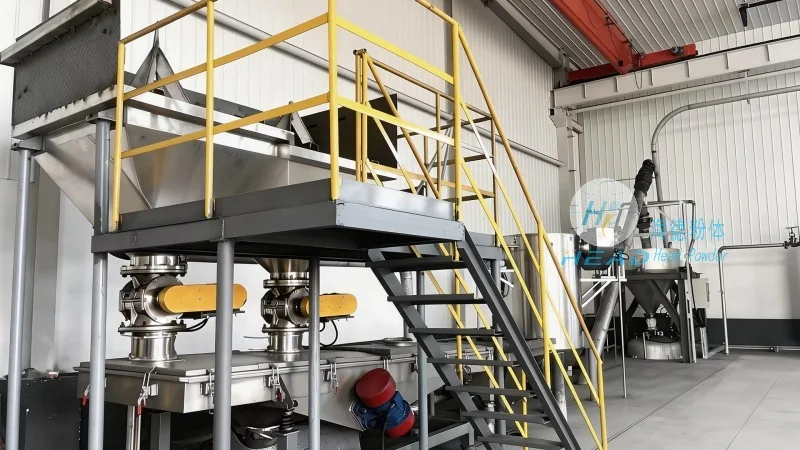
3. **Energy Efficiency**: Modern pneumatic conveying systems are designed to be energy-efficient, especially when using dense-phase technology, which reduces energy consumption compared to traditional methods.
4. **Space Efficiency**: The system requires less floor space compared to other material handling methods, making it ideal for facilities with limited space.
5. **Safety**: The enclosed system design minimizes dust emissions and reduces the risk of accidents, enhancing workplace safety.
Conclusion
Lithium fluoride pneumatic conveying systems are a critical component in the efficient and safe handling of this important chemical compound. By understanding the fundamental principles of pneumatic conveying and the key characteristics of working scenes, industrial facilities can select and implement the most suitable system for their specific needs. The technology continues to evolve, with advancements in material handling efficiency and safety, ensuring its relevance in modern industrial applications.




