HeadPowder, a leading engineering company based in Shandong, China, specializes in the design and manufacturing of advanced pneumatic conveying systems tailored for the dry soybean industry. This article explores the fundamental principles behind such systems and highlights the key working scene characteristics that define their operational efficiency and reliability.
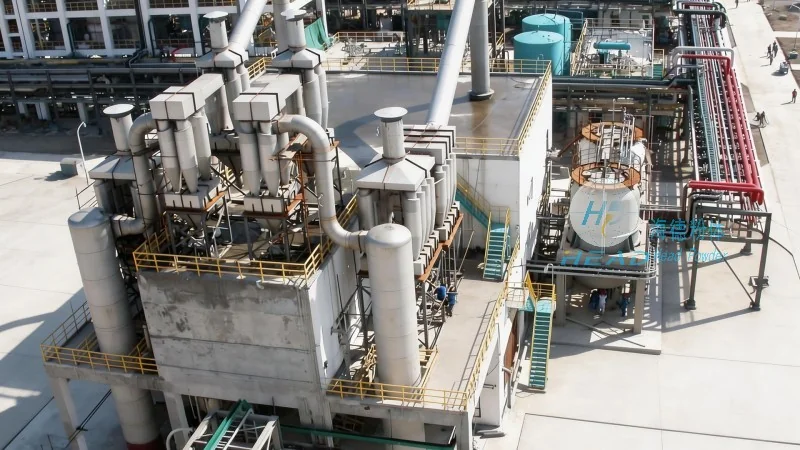
Understanding the Core Principles of Dry Soybean Pneumatic Conveying Systems
The dry soybean pneumatic conveying system operates on the principle of using air as a medium to transport bulk materials like soybeans from one location to another. Unlike traditional mechanical conveying methods, which rely on belts, screws, or buckets, pneumatic systems utilize pressure differentials to move materials through a pipeline network. The system typically consists of a hopper for material storage, a feeder to control the flow rate, a compressor to generate the necessary air pressure, and a pipeline system to transport the soybeans. The process begins when soybeans are fed into the hopper, where they are then drawn into the pipeline by the moving air stream. The air, often referred to as the conveying medium, carries the soybeans through the system, ensuring a continuous and efficient transfer. Key components like the airlock, which prevents backflow, and the filter, which removes dust and debris from the air, are critical to maintaining system performance and product quality. The design of the system is optimized to handle the specific characteristics of dry soybeans, such as their size, density, and moisture content, ensuring minimal degradation during transport.
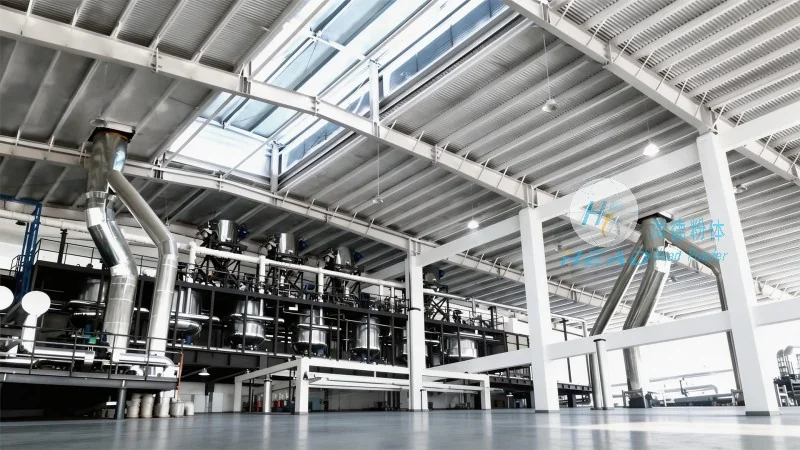
Key Working Scene Characteristics of the Pneumatic Conveying System
The working scene characteristics of the dry soybean pneumatic conveying system are tailored to meet the demands of various industrial applications. One of the primary characteristics is its ability to handle large volumes of material with minimal labor requirements. This makes it ideal for high-throughput processing facilities where continuous operation is essential. The system's flexibility in terms of layout and integration is another significant advantage. It can be adapted to different plant configurations, allowing for easy installation in existing or new production lines. The low maintenance requirements of the pneumatic system also contribute to its operational efficiency. Unlike mechanical conveyors, which may require regular lubrication and part replacement, pneumatic systems have fewer moving parts and are less prone to wear and tear. This reduces downtime and maintenance costs, making them a cost-effective solution for soybean processing plants. Additionally, the system's ability to operate in a closed environment helps maintain product hygiene and prevents contamination, which is crucial for food processing applications. The noise level of the system is also relatively low compared to other conveying methods, contributing to a safer and more comfortable working environment for personnel. The system's scalability is another important characteristic, as it can be expanded or modified to accommodate increased production demands without significant changes to the overall infrastructure.
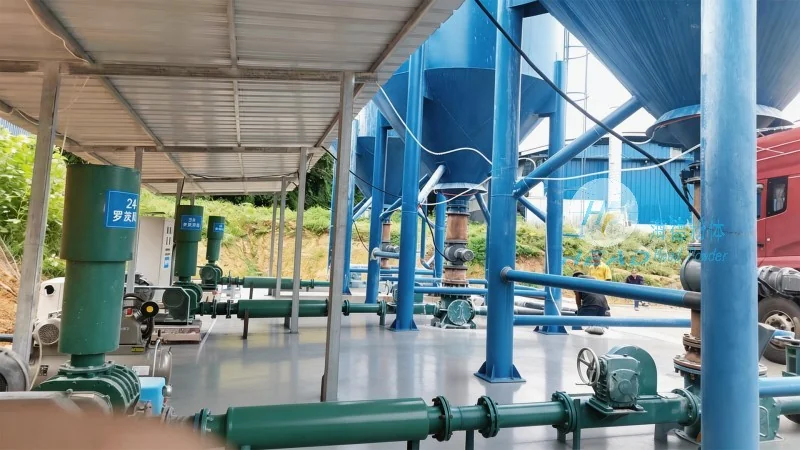
Application Scenarios and Operational Benefits
The dry soybean pneumatic conveying system is widely used in various working scenarios within the soybean processing industry. One common application is in the transfer of soybeans from storage silos to processing lines, such as for crushing or roasting. The system's ability to transport materials over long distances with minimal loss makes it suitable for large-scale processing facilities. Another application is in the distribution of soybean meal or other byproducts from processing units to storage or packaging areas. The system's efficiency in handling fine particles, such as soybean flour, is particularly beneficial in these scenarios. The operational benefits of the system extend beyond just material transport. For example, the system can help maintain consistent material flow rates, which is critical for maintaining quality control in processing operations. The ability to control the air pressure and flow rate allows operators to adjust the system's performance to meet specific production requirements. This flexibility ensures that the system can adapt to changing production schedules or variations in raw material quality. Furthermore, the system's energy efficiency is a notable advantage. By using air as the conveying medium, the system consumes less energy compared to mechanical conveyors, leading to lower operational costs over time. The environmental benefits of the system are also significant, as it reduces the need for manual handling and minimizes the risk of dust exposure, contributing to a safer and more sustainable operation.




