Recycled sand material conveying lines are specialized systems designed to transport and handle recycled sand, a crucial component in the construction and recycling industries. These lines play a vital role in the efficient processing of construction waste, enabling the recovery and reuse of sand materials that would otherwise be discarded. The core principle behind these systems revolves around the use of advanced conveying technologies, such as belt conveyors, screw conveyors, and pneumatic conveyors, which are tailored to the unique properties of recycled sand—such as varying particle sizes, moisture content, and potential contaminants.
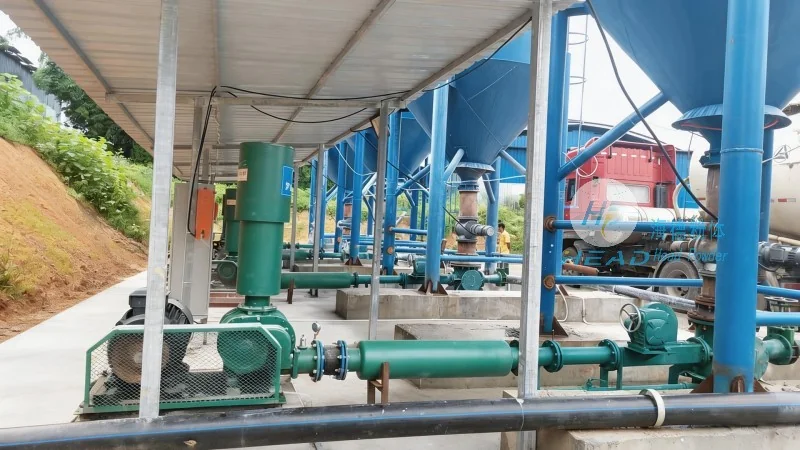
At the heart of a recycled sand material conveying line is the ability to move large volumes of material with minimal energy consumption and operational complexity. The system typically includes feeding mechanisms, conveying components, and discharge units, all integrated to ensure smooth and continuous material flow. For instance, belt conveyors are widely used due to their high load capacity and ability to handle abrasive materials like recycled sand, while screw conveyors offer flexibility in vertical or inclined transport. Pneumatic conveyors, on the other hand, are ideal for transporting fine sand particles over longer distances with reduced dust generation.
Key Working Characteristics in Different Application Scenarios
The working characteristics of recycled sand material conveying lines are highly dependent on the specific application scenarios in which they are deployed. In construction waste recycling plants, these systems are designed to handle raw recycled sand from crushing and screening processes, ensuring that the material is transported to storage or further processing stages without degradation. The key characteristics in this scenario include high durability to withstand the abrasive nature of recycled sand, low maintenance requirements to minimize downtime, and the ability to operate continuously for extended periods.
In concrete recycling operations, the conveying lines are often integrated with mixing and batching systems. Here, the primary goal is to deliver recycled sand to the mixing plant at a consistent rate, maintaining the quality of the final concrete product. The working characteristics in this context emphasize precision in flow control, as even small variations in sand delivery can affect the mix proportions. Additionally, the systems must be equipped with dust control measures to comply with environmental regulations, as recycled sand processing can generate significant airborne particles.
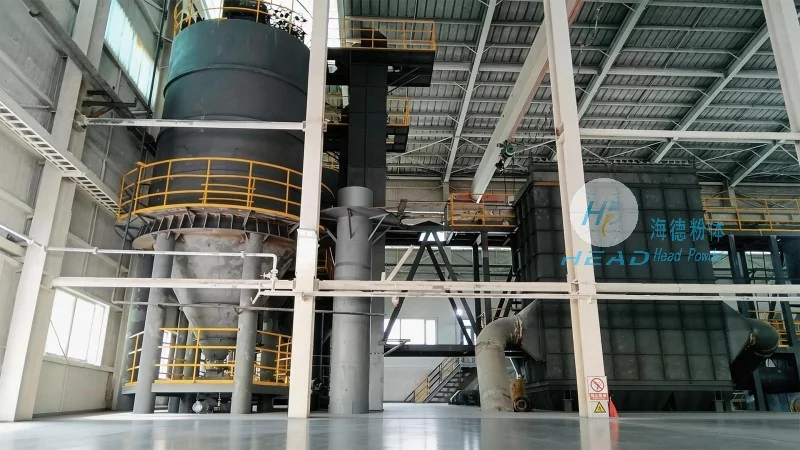
In industrial sand recycling facilities, the conveying lines may need to handle sand with higher moisture content or mixed with other materials like gravel or debris. The working characteristics in such scenarios focus on adaptability and robustness. For example, the use of heavy-duty conveyor belts with reinforced surfaces can prevent wear from mixed materials, while adjustable speed controls allow for precise regulation of material flow based on moisture levels. This adaptability ensures that the conveying line can maintain efficiency even when processing variable feedstock.
HeadPowder's Expertise in Designing and Manufacturing Conveying Solutions
Shandong HeadPowder Engineering Co., Ltd., commonly known as HeadPowder, is a leading manufacturer specializing in the design, production, and supply of recycled sand material conveying lines. With a strong presence in China, HeadPowder leverages decades of industry experience to develop customized solutions that meet the diverse needs of clients across the construction and recycling sectors. The company’s approach is centered on understanding the specific challenges of each application scenario, from the type of recycled sand being processed to the operational environment and performance requirements.
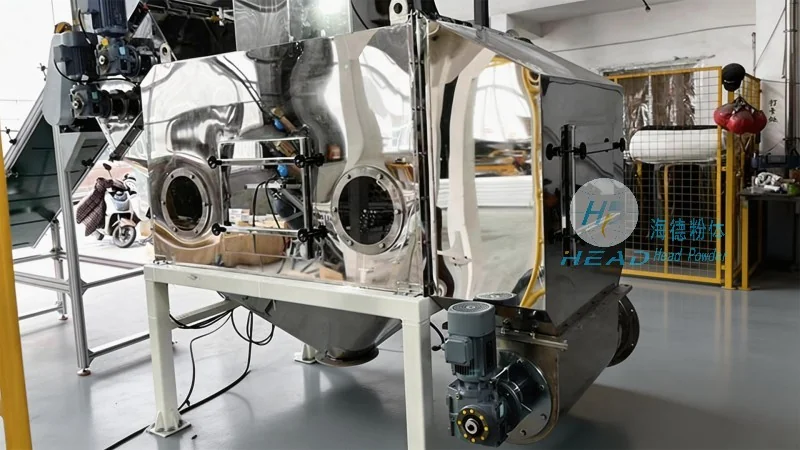
HeadPowder’s engineers work closely with clients to analyze their material handling needs, ensuring that the conveying line is optimized for efficiency, reliability, and cost-effectiveness. The company utilizes advanced engineering software and testing protocols to simulate and validate the performance of the systems before production. This rigorous approach guarantees that the final product meets or exceeds industry standards for durability, energy efficiency, and safety. For instance, HeadPowder’s belt conveyors are equipped with features such as impact beds and tensioning systems to handle the abrasive nature of recycled sand, while their screw conveyors incorporate anti-corrosion materials to resist moisture and chemical exposure.
HeadPowder’s commitment to quality is further demonstrated through its adherence to international standards and continuous improvement initiatives. The company’s facilities in Shandong, China, are equipped with state-of-the-art manufacturing equipment and quality control measures, ensuring that every component of the conveying line is manufactured to the highest specifications. This dedication to quality has earned HeadPowder a reputation as a trusted partner for businesses seeking reliable and efficient recycled sand material conveying solutions.
Conclusion: The Importance of Efficient Material Conveying in Recycling
Recycled sand material conveying lines are indispensable in modern recycling and construction industries, enabling the sustainable use of resources and the reduction of environmental impact. By understanding the principle and working characteristics of these systems, businesses can make informed decisions about their material handling infrastructure. As the demand for recycled materials grows, the role of efficient conveying lines will become even more critical in achieving sustainable development goals. With expertise and innovation, companies like HeadPowder are at the forefront of providing solutions that support this transition, ensuring that recycled sand is processed and reused effectively for future construction projects.




