Efficient material handling is a critical aspect of modern agricultural and food processing operations, particularly when dealing with bulk commodities like dry soybeans. The dry soybean material conveying line, as a specialized system designed for transporting these beans, plays a vital role in ensuring smooth and reliable production processes. This article delves into the fundamental principles behind such conveying lines and explores the distinct characteristics of their working environments, providing insights into how these systems enhance operational efficiency and productivity.
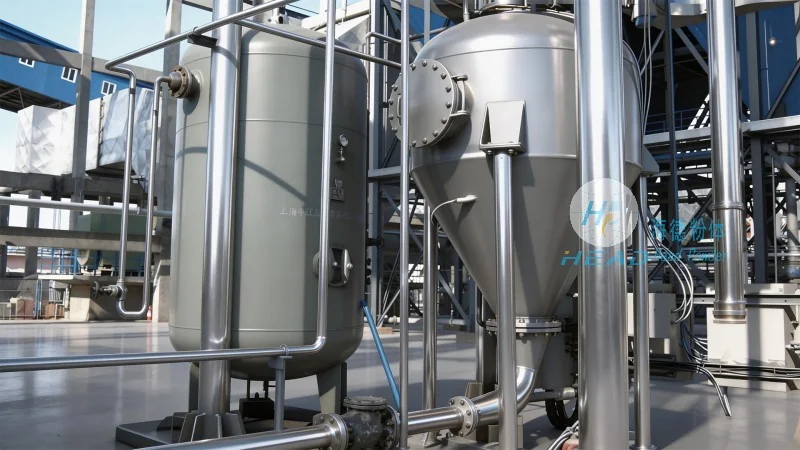
Understanding the Core Principles of Dry Soybean Material Conveying Lines
The dry soybean material conveying line operates on the principle of mechanical transport, utilizing various components to move soybeans from one location to another within a processing facility. Key components typically include feed hoppers, conveyors (such as belt conveyors or screw conveyors), control systems, and discharge mechanisms. The system is engineered to handle the specific physical properties of dry soybeans, including their size, density, and moisture content, ensuring minimal damage and loss during transit. By integrating advanced engineering and material science, these conveying lines are designed to optimize the flow of soybeans while maintaining consistent speed and direction. The control systems, often equipped with sensors and automation features, allow for real-time monitoring and adjustment, enhancing the overall reliability of the operation. This mechanized approach not only reduces labor costs but also minimizes the risk of contamination and spoilage, which are critical concerns in food processing industries.
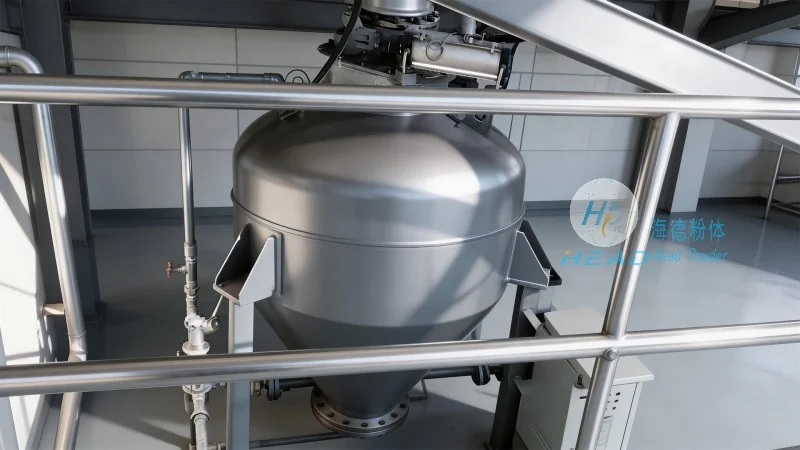
Working Scene Characteristics of Dry Soybean Material Conveying Lines
The working environment of a dry soybean material conveying line is characterized by several key factors that influence its design and performance. Firstly, the line is typically installed in industrial settings, such as soybean processing plants, storage facilities, or agricultural processing centers. These environments often involve high volumes of material, requiring robust and durable equipment capable of handling continuous operation. The design of the conveying line must account for the space constraints and layout of the facility, ensuring that the system can be integrated seamlessly into existing production workflows. Additionally, the working conditions may involve varying temperatures and humidity levels, which can affect the performance of the conveying components. For instance, belt conveyors may require special materials to resist wear and tear from the soybeans, while screw conveyors are chosen for their ability to handle sticky or cohesive materials. The working scene also includes considerations for safety, as the conveying line must comply with industrial safety standards to protect operators and prevent accidents. Furthermore, the line's integration with other processing equipment, such as cleaning or drying units, is crucial for maintaining the quality of the soybeans throughout the production process. By addressing these environmental and operational factors, the conveying line ensures that the dry soybeans are transported efficiently and safely, contributing to the overall productivity of the facility.
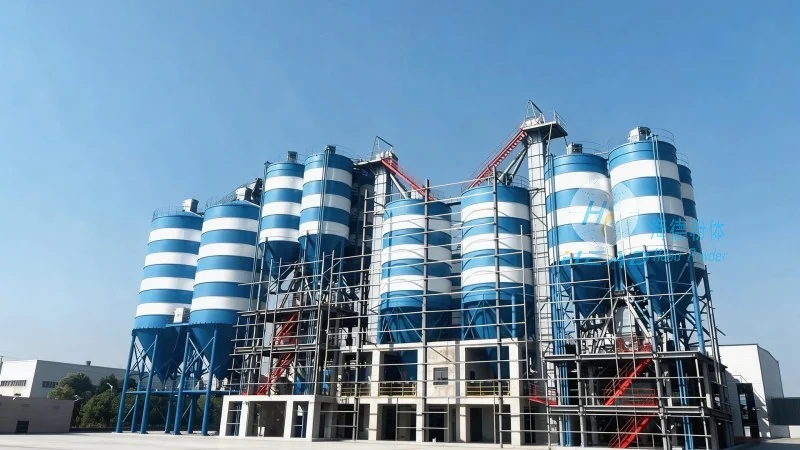
Application Scenarios and Industry Impact
Dry soybean material conveying lines are widely used in various applications across the agricultural and food processing sectors. In soybean processing plants, these systems are essential for moving raw soybeans from storage silos to processing units, such as hullers or extractors. The efficient transport of soybeans reduces downtime and increases the throughput of the processing line, leading to higher production yields. In storage facilities, the conveying line helps in the movement of soybeans between different storage areas, ensuring that the inventory is managed effectively and reducing the risk of spoilage due to prolonged exposure to unfavorable conditions. Additionally, the line is used in agricultural settings where soybeans are harvested and need to be transported to processing centers or markets. The adaptability of the conveying line to different working environments makes it a versatile solution for various industry needs. The impact of these systems extends beyond mere material transport; they contribute to the overall sustainability of the industry by optimizing resource utilization and reducing waste. By improving the efficiency of soybean handling, the conveying line supports the economic viability of soybean processing operations and enhances the competitiveness of businesses in the market.
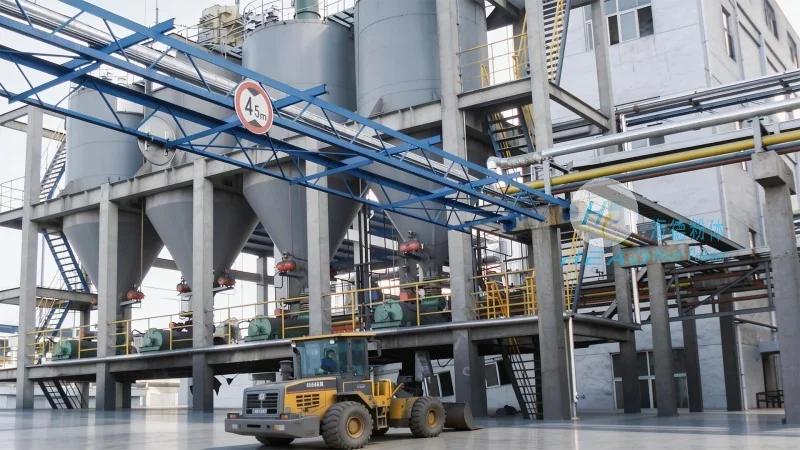
Technical Advancements and Future Trends
As technology advances, dry soybean material conveying lines are evolving to incorporate more sophisticated features that enhance their performance and reliability. Modern systems often include automated control systems with advanced sensors that can detect changes in material flow, temperature, or pressure, allowing for immediate adjustments to maintain optimal operation. The integration of IoT (Internet of Things) technology enables remote monitoring and diagnostics, reducing the need for on-site maintenance and improving overall system uptime. Additionally, the use of energy-efficient components, such as variable speed drives, helps in reducing operational costs while minimizing the environmental impact of the conveying line. Future trends may also see the adoption of more sustainable materials in the construction of the conveying components, aligning with the growing emphasis on eco-friendly practices in the industry. These advancements not only improve the functionality of the conveying line but also contribute to the long-term sustainability of soybean processing operations. By staying updated with these technological developments, businesses can ensure that their conveying systems remain efficient, reliable, and competitive in the evolving market.




