Silicon carbide (SiC) is a high-performance ceramic material widely used in various industrial applications due to its exceptional hardness, thermal stability, and chemical resistance. The efficient handling and transportation of SiC powder are critical for maintaining product quality and operational efficiency in manufacturing processes. Pneumatic conveying systems offer a reliable solution for moving these abrasive and fine powders over long distances or within complex production lines. This article explores the fundamental principles behind SiC powder pneumatic conveying systems and highlights the key characteristics of their operational environments.
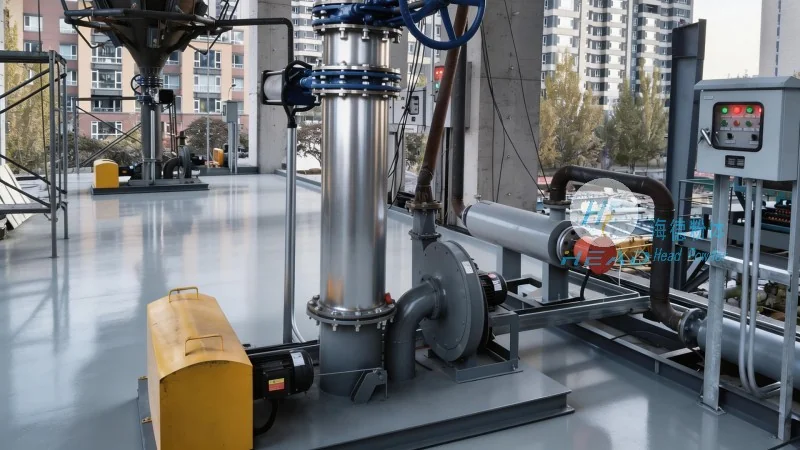
Principle of Pneumatic Conveying for Silicon Carbide Powder
The core principle of pneumatic conveying involves the use of air or other gases to transport particulate materials through a pipeline. In the case of SiC powder, the system typically operates on the basis of pressure or vacuum. Pressure-type systems utilize compressed air to push the powder through the pipeline, while vacuum-type systems create a negative pressure to draw the material from the source. The selection of the conveying method depends on factors such as the powder's properties, the required distance, and the system's capacity. For SiC powder, which is often abrasive and fine, a pressure system is commonly preferred due to its ability to handle high concentrations of solids and minimize particle degradation.
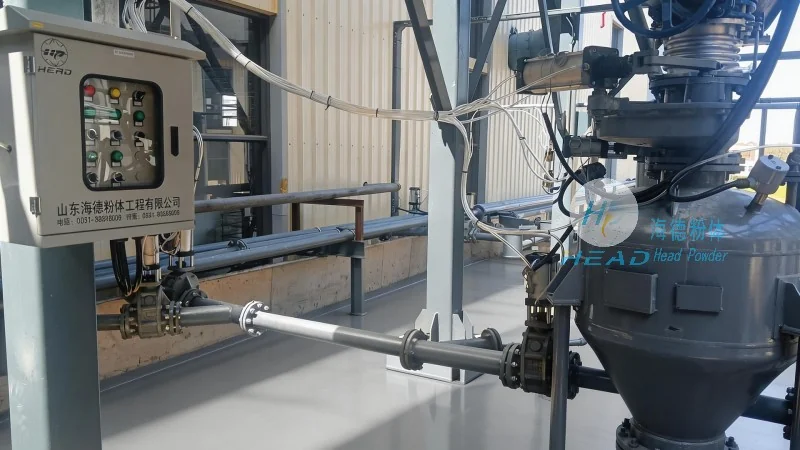
Key Components and Mechanisms in SiC Powder Pneumatic Conveying
A typical SiC powder pneumatic conveying system consists of several essential components, each playing a crucial role in the overall operation. The primary components include a material feeder, a conveying line, a separator or filter, and a receiver or discharge point. The material feeder, often a rotary valve or a screw feeder, ensures a consistent and controlled flow of SiC powder into the system. The conveying line, made from materials resistant to abrasion and corrosion (such as stainless steel or specialized plastics), transports the powder mixture. The separator or filter is critical for separating the air from the powder, preventing dust emissions and ensuring that the powder is collected in a clean and dry state. The receiver or discharge point is where the SiC powder is deposited, ready for further processing or use.
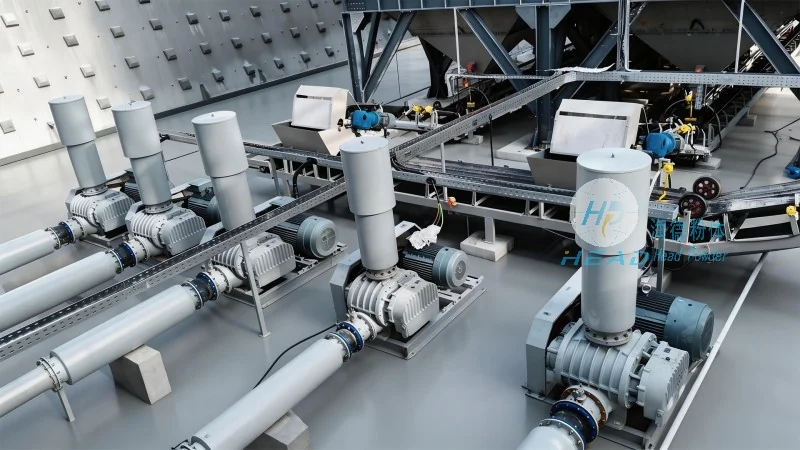
Working Scene Characteristics of SiC Powder Pneumatic Conveying Systems
The operational environments for SiC powder pneumatic conveying systems exhibit specific characteristics that influence system design and performance. These environments are typically found in industrial settings such as ceramic manufacturing plants, foundries, and material processing facilities. The systems are often integrated into larger production lines, requiring seamless coordination with other equipment like mixers, extruders, or sintering furnaces. The working conditions may involve high temperatures, abrasive conditions, and the presence of other reactive materials, necessitating robust and durable equipment. Additionally, the systems must be designed to handle the unique properties of SiC powder, including its high hardness, which can cause wear on components if not properly managed. The operational efficiency and reliability of the system are paramount, as any downtime can lead to significant production losses.
Applications and Benefits in Industrial Settings
Silicon carbide powder pneumatic conveying systems are widely applied in various industrial applications where the handling of fine, abrasive powders is essential. In the ceramic industry, these systems are used to transport SiC powder for the production of refractory bricks, grinding media, and other high-performance ceramics. In foundries, they facilitate the delivery of SiC powder for use as a refractory material or a component in metal casting processes. The benefits of using pneumatic conveying for SiC powder include improved safety by reducing manual handling, enhanced product quality through consistent and controlled transport, and increased operational efficiency by minimizing material loss and downtime. Furthermore, the systems can be customized to meet specific production requirements, such as varying flow rates or conveying distances, making them versatile solutions for different industrial needs.
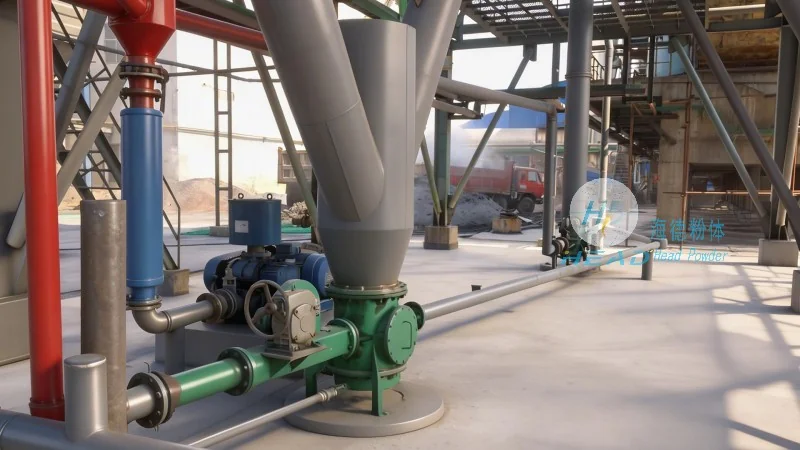
Conclusion and Company Overview
Pneumatic conveying systems for silicon carbide powder represent a sophisticated and effective method for material handling in modern industrial applications. The principles of pressure or vacuum-based transport, combined with specialized components designed for abrasive materials, ensure reliable and efficient operation. The working scene characteristics, including industrial integration and durability requirements, highlight the importance of robust system design. As a leading provider in this field, Shandong HeadPowder Engineering Co., Ltd. specializes in the development and implementation of such systems, leveraging years of experience to deliver tailored solutions that meet the unique needs of their clients. With a focus on quality and performance, HeadPowder continues to advance the technology of SiC powder handling, supporting the growth and efficiency of industries that rely on this critical material.




