Wood ash, a byproduct of biomass combustion, presents unique handling challenges due to its fine particle size and potential for dust generation. Pneumatic conveying systems offer an efficient solution for transporting wood ash powder from storage to processing or disposal sites. This article explores the fundamental principles behind these systems and highlights key working scene characteristics that make them suitable for wood ash applications. Shandong HeadPowder Engineering Co., Ltd., a leading provider of industrial material handling solutions, specializes in designing and manufacturing pneumatic conveying systems tailored for wood ash applications, ensuring optimal performance and compliance with environmental standards.
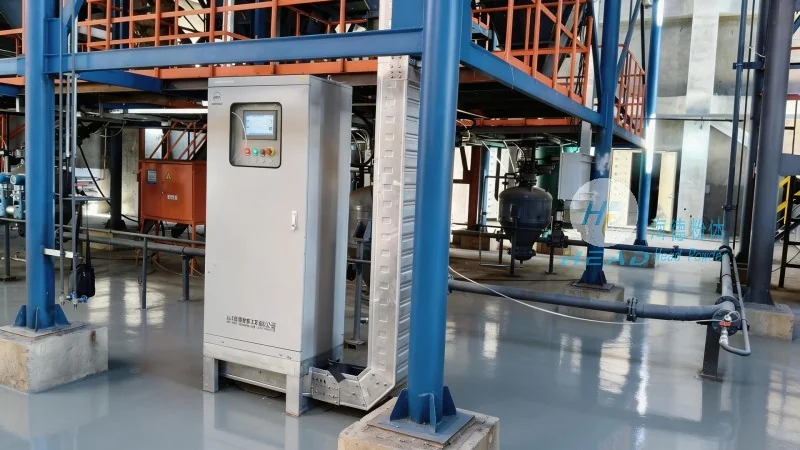
Principle of Pneumatic Conveying for Wood Ash Powder
The core principle of pneumatic conveying involves transporting solid particles through a pipeline using a gas stream, typically air. In the case of wood ash powder, the system operates by creating a pressure differential or using suction to move the material. There are two main types of pneumatic conveying: pressure and vacuum systems. Pressure systems use a positive pressure air stream to push the material through the pipeline, while vacuum systems create a negative pressure to draw the material in. For wood ash, which is often light and fine, a combination of these methods may be employed to ensure efficient and reliable transport. The system typically includes a hopper for material storage, a conveyor line, and a receiver for the discharged material. The air flow rate and pressure are carefully controlled to maintain consistent particle movement and prevent blockages or excessive dust emissions.
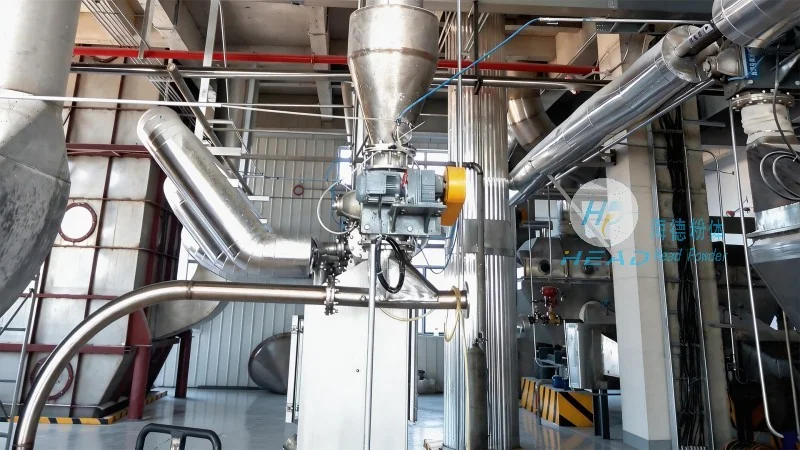
Working Scene Characteristics of Wood Ash Powder Pneumatic Conveying Systems
The suitability of pneumatic conveying systems for wood ash applications is determined by several working scene characteristics. First, the particle size and density of wood ash are critical factors. Fine particles require higher air velocities to prevent settling or clogging, while denser materials may need higher pressure to maintain flow. Second, the system's design must consider the potential for dust generation and the need for dust control measures, such as filtration systems, to comply with environmental regulations. Third, the distance and elevation changes between the source and destination of the wood ash are important considerations, as they affect the required air pressure and power consumption. For example, a system transporting wood ash from a storage silo to a processing plant over a short horizontal distance may use a lower pressure system, whereas a system moving material over a longer distance or with significant vertical elevation changes may require a higher pressure or a combination of pressure and vacuum stages. Additionally, the system's capacity and throughput must match the production rate of the wood ash source, ensuring that the conveying rate is sufficient to handle the material without causing bottlenecks or overloading the downstream equipment.
Application Scenarios and Operational Advantages
Wood ash powder pneumatic conveying systems are widely used in various industrial settings, including power plants, biomass processing facilities, and waste management operations. In power plants, these systems are employed to transport wood ash from the boiler to ash handling systems or disposal sites, where it can be used as a raw material for cement production or disposed of safely. In biomass processing facilities, the systems help move wood ash from the combustion chamber to storage or processing areas, where it may be used as a fertilizer or fuel supplement. The operational advantages of pneumatic conveying for wood ash include its ability to handle fine, dusty materials without the need for mechanical components that can wear out or clog, reducing maintenance costs and downtime. Additionally, the system can be designed to operate in a closed loop, minimizing dust emissions and improving safety in the workplace. The flexibility of pneumatic conveying systems also allows for easy integration with existing infrastructure, such as existing pipelines or storage silos, making it a cost-effective solution for many applications.
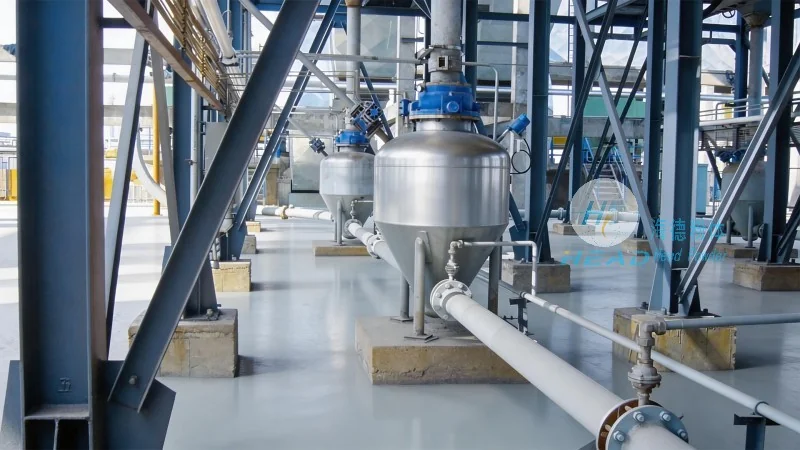
Key Components and System Design Considerations
The performance of a wood ash powder pneumatic conveying system depends on the proper design and selection of key components. The hopper, where the wood ash is stored, must be designed to prevent material bridging or rat-holing, which can cause blockages. The feeder, which controls the flow of material into the conveyor line, is typically a rotary valve or a screw feeder, chosen based on the material's properties and the required flow rate. The conveyor line itself is usually made of stainless steel or other corrosion-resistant materials to withstand the acidic or alkaline nature of wood ash. The air compressor or vacuum pump provides the necessary pressure or suction to move the material, with the capacity and pressure rating selected based on the system's requirements. The receiver, where the wood ash is discharged, must be equipped with a dust collection system, such as a cyclone or baghouse, to capture any fine particles and prevent environmental contamination. The control system, which monitors and adjusts the air flow rate, pressure, and material flow, is also an essential component, ensuring that the system operates efficiently and safely. Proper system design and maintenance are crucial to maximize the lifespan and performance of the equipment, minimizing downtime and maintenance costs.




