Bauxite, a critical raw material in aluminum production, is frequently processed as a fine powder. The efficient and reliable transportation of this powder is essential for industrial operations. Pneumatic conveying systems provide a solution that combines performance with operational flexibility, making them a preferred choice in bauxite processing facilities. This article explores the fundamental principles behind these systems and highlights the specific operational characteristics that define their effectiveness in various industrial settings.
The Core Principles of Pneumatic Conveying for Bauxite Powder
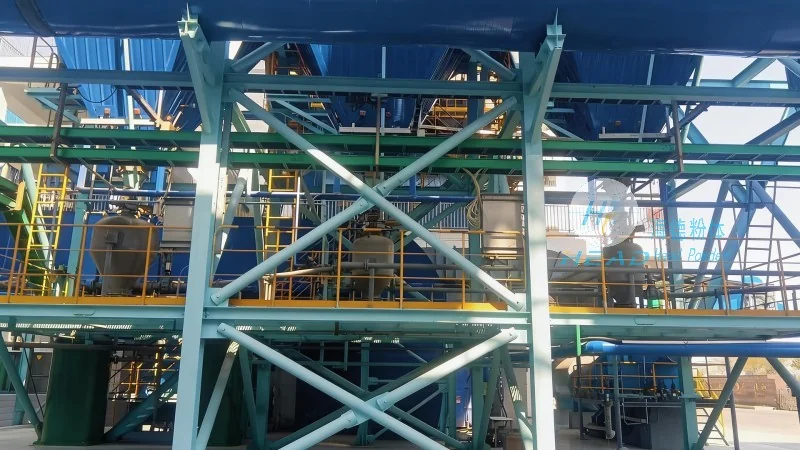
Pneumatic conveying systems operate by transporting particulate materials, such as bauxite powder, using a stream of air or gas. The process typically involves creating a pressure differential or utilizing suction to move the material through a pipeline. There are two primary types of pneumatic conveying: pressure and vacuum systems. Pressure systems use compressed air to push the material forward, while vacuum systems create a negative pressure to draw the material into the pipeline. For bauxite powder, which is often abrasive and has specific flow characteristics, the choice of system depends on factors like material density, particle size, and the distance to be conveyed. The design of the system, including the selection of pipeline diameter, air velocity, and the use of components like cyclones or filters, is critical to ensure efficient and low-damage transport. HeadPowder, a leading engineering company based in Shandong, China, specializes in the design and implementation of such systems tailored to the unique requirements of bauxite processing.
Key Operational Characteristics in Different Work Scenarios
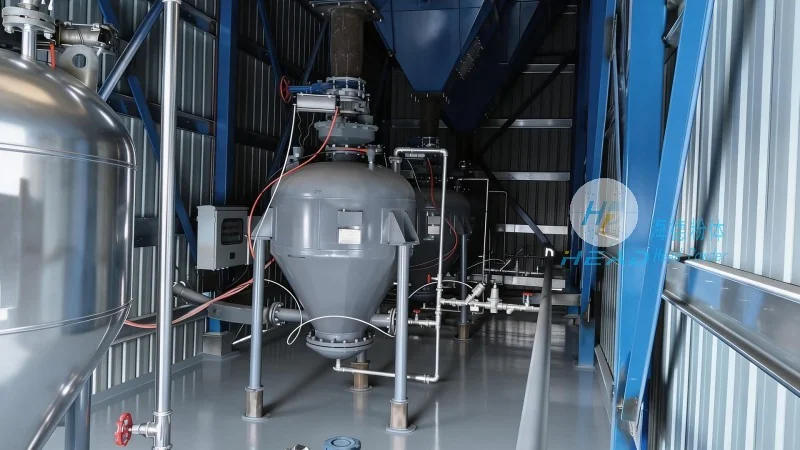
The effectiveness of bauxite powder pneumatic conveying systems is heavily influenced by the specific work scenarios in which they are deployed. Industrial applications vary widely, from small-scale laboratory processing to large-scale mining and refining operations. In mining operations, where bauxite is extracted from open-pit mines, the system must handle large volumes of material over significant distances. The design must account for the variability in material composition and moisture content, which can affect flowability. In refining plants, the focus shifts to precision and minimal material degradation, as the powder is used in chemical processes that are sensitive to particle size and purity. The operational characteristics, such as the ability to handle high-temperature or corrosive environments, also become critical in these settings. For example, in facilities where bauxite is pre-treated with chemicals, the conveying system must be resistant to corrosion and maintain the integrity of the material. HeadPowder’s expertise lies in adapting the system design to these diverse scenarios, ensuring optimal performance and reliability.
Advantages and Considerations in Bauxite Powder Conveying
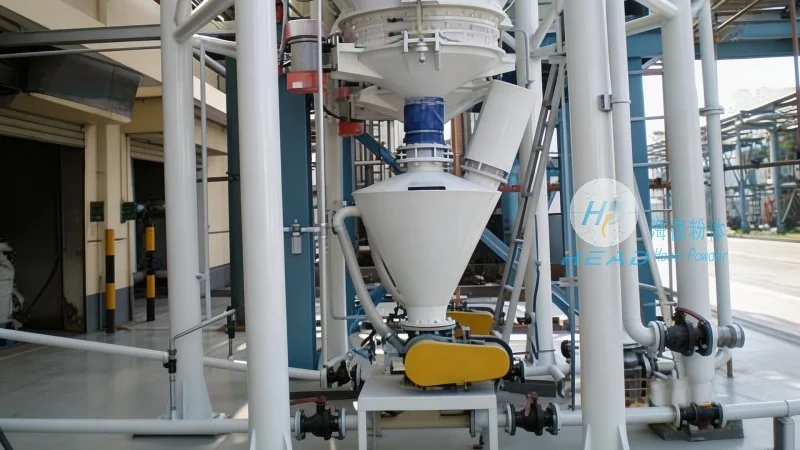
Implementing a pneumatic conveying system for bauxite powder offers several advantages over traditional methods like belt conveyors or bucket elevators. These systems are generally more compact, requiring less floor space, and can be integrated into existing plant layouts with minimal disruption. They also provide better control over material flow, reducing the risk of clogging or blockages that can occur with other systems. However, there are considerations to keep in mind. The initial investment for a pneumatic conveying system can be higher than for mechanical systems, and maintenance requirements may be more complex due to the moving parts and the need for air filtration. Additionally, the system's efficiency depends on proper air management, including the use of efficient blowers and filters to minimize energy consumption and maintain air quality. HeadPowder emphasizes the importance of a comprehensive evaluation of operational needs, including material properties, plant layout, and budget constraints, to select the most suitable system. Their engineering team works closely with clients to ensure that the chosen solution not only meets current requirements but also accommodates future expansion or changes in processing needs.




