HeadPowder, a leading provider of industrial material handling solutions, specializes in pneumatic conveying equipment designed for the efficient transport of coal and sand powders. This technology is essential in various industrial applications where bulk powder materials need to be moved from one location to another without the use of mechanical components like belts or buckets. The core of such systems lies in the principle of using air pressure to move the material, offering advantages like minimal maintenance, reduced contamination, and the ability to handle materials in a dust-free environment.
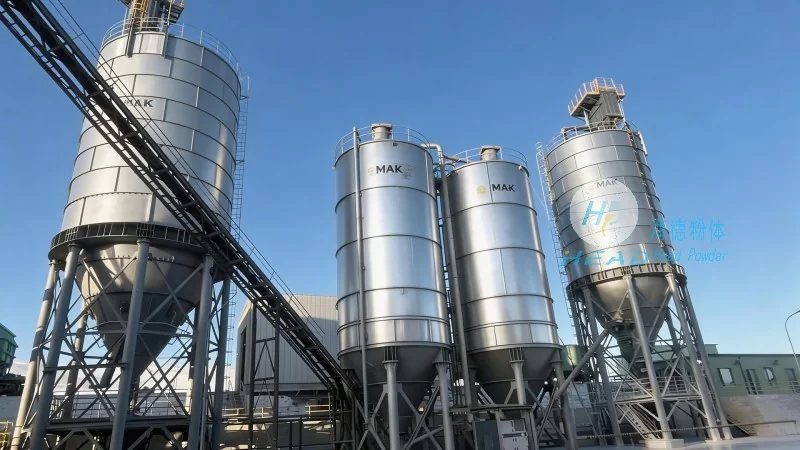
Principle of Operation for Coal and Sand Powder Pneumatic Conveying
The fundamental principle behind coal and sand powder pneumatic conveying involves creating a flow of air through a pipeline system, which then carries the powder particles along. There are primarily two types of pneumatic conveying systems: dilute phase and dense phase. Dilute phase systems operate at higher air velocities, typically moving particles in a dispersed state, suitable for shorter distances and less abrasive materials. Dense phase systems, on the other hand, use lower air velocities and higher material concentrations, ensuring a more controlled and gentle transport, ideal for handling fine powders like coal and sand that require minimal particle breakage. The system typically includes a feeding device, a conveying line, a separation unit, and a discharge mechanism. The feeding device introduces the powder into the air stream, while the conveying line transports it to the destination. The separation unit, often a cyclone or a filter, separates the powder from the air, and the discharge mechanism collects the material. The air is then either recirculated or expelled, depending on the system design.
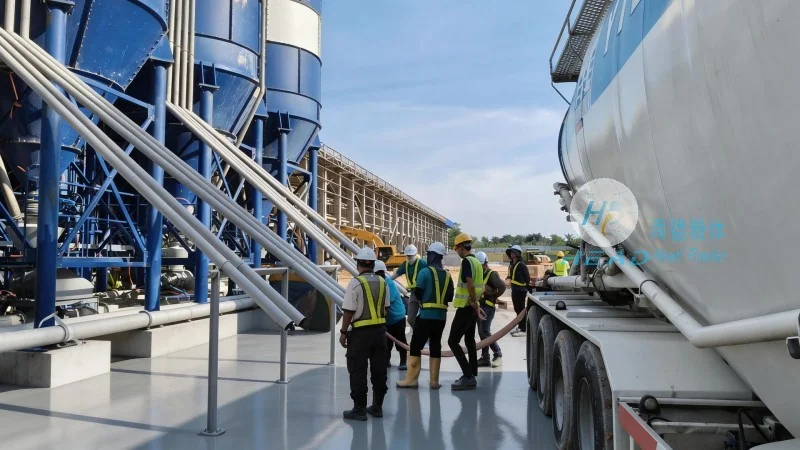
Key Working Scene Characteristics of the Equipment
The working scene characteristics of coal and sand powder pneumatic conveying equipment are tailored to meet the specific demands of industrial environments. One of the primary characteristics is the ability to handle abrasive materials like sand, which can be challenging for traditional mechanical conveyors. The pneumatic system minimizes wear and tear on components, extending the equipment's lifespan. Another characteristic is the dust-free operation, which is crucial in environments where dust control is a regulatory requirement or a safety concern. This is achieved through enclosed systems and efficient filtration, ensuring that the material is transported without releasing particles into the air. Additionally, the flexibility of the system allows for easy integration into existing production lines. The equipment can be configured to handle varying material flow rates and particle sizes, making it adaptable to different production scales. The compact design of the conveying lines also contributes to space-saving in industrial settings, where floor space is often limited. Furthermore, the system's ability to transport materials over long distances without the need for intermediate storage or transfer points enhances operational efficiency. This reduces downtime and improves overall productivity in the production process.
Application Scenarios and Industry Integration
Coal and sand powder pneumatic conveying equipment is widely used in various industrial sectors. In the coal mining and processing industry, it is employed to transport coal from storage facilities to processing plants or for distribution to power stations. The equipment efficiently handles the bulk coal, ensuring a continuous supply without interruptions. In the construction industry, sand is a critical material, and pneumatic conveying systems are used to transport sand from quarries to construction sites or to mixing plants. This method is particularly useful in urban areas where traditional truck transport may be restricted due to traffic congestion. The food and pharmaceutical industries also benefit from this technology, as it allows for the safe and hygienic transport of powders without cross-contamination. The system's ability to maintain a sterile environment is achieved through stainless steel components and advanced filtration, making it suitable for handling sensitive materials. In the chemical industry, various powders are transported using pneumatic systems, ensuring that the materials are handled in a controlled manner, minimizing the risk of explosion or contamination. The versatility of the equipment makes it applicable across multiple industries, catering to different material properties and operational requirements.
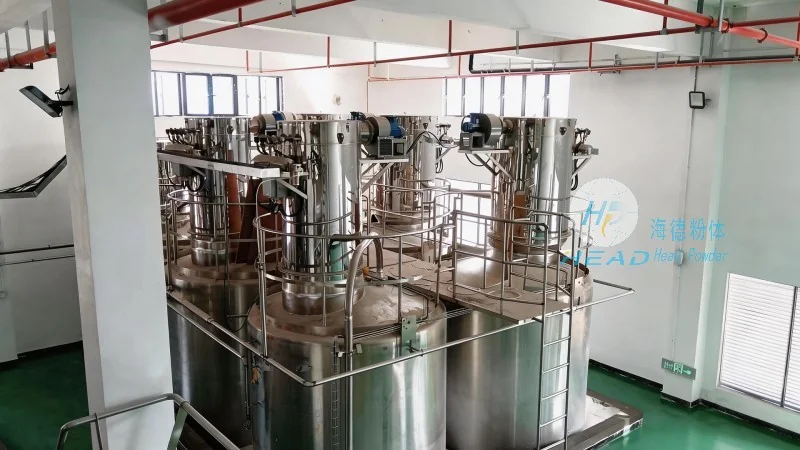
Advantages and Technical Considerations
Implementing coal and sand powder pneumatic conveying systems offers several advantages over traditional methods. The primary advantage is the reduction in labor costs, as the system automates the material transport process, eliminating the need for manual handling. This also enhances workplace safety by reducing the risk of accidents associated with manual handling of bulk materials. Another significant advantage is the improvement in material quality, as the system minimizes particle breakage and contamination, which is crucial for applications where material integrity is essential. The system also provides better control over the material flow rate, allowing for precise dosing and consistent production output. From a technical perspective, the equipment requires regular maintenance, particularly the air filtration system and the conveying line components. The air filter needs to be cleaned or replaced regularly to maintain efficient operation and prevent dust accumulation. The conveying line may also require inspection for wear and tear, especially when handling abrasive materials like sand. The system's energy consumption is another consideration, as it relies on air compressors, which can be a significant operational cost. However, the overall efficiency of the system, including reduced downtime and material handling costs, often outweighs the initial energy expenses. The selection of the appropriate system type (dilute or dense phase) is critical based on the material's properties, such as particle size, density, and moisture content, as well as the distance to be covered and the required flow rate.




