Common Hydrogen Sulfide Transport Methods: Advantages and Features of HeadPowder's Pneumatic Conveying System
Release time:2026-09-10 19:34:49
name of the company:Shandong Headpowder Engineering Co., Ltd.
telephone:156-6277-7102
contacts:Zhang manager
Hydrogen sulfide (H₂S) is a highly toxic and corrosive gas commonly encountered in industrial processes, particularly in the petroleum, chemical, and mining sectors. Efficient and safe transport of H₂S is crucial for industrial operations, as improper handling can lead to severe safety hazards and environmental contamination. Traditional methods of H₂S transport often involve manual handling or mechanical conveyors, which pose significant risks due to the gas's hazardous nature. This article explores common H₂S transport methods and highlights the advantages of HeadPowder's pneumatic conveying system, a leading solution for safe and reliable H₂S handling.
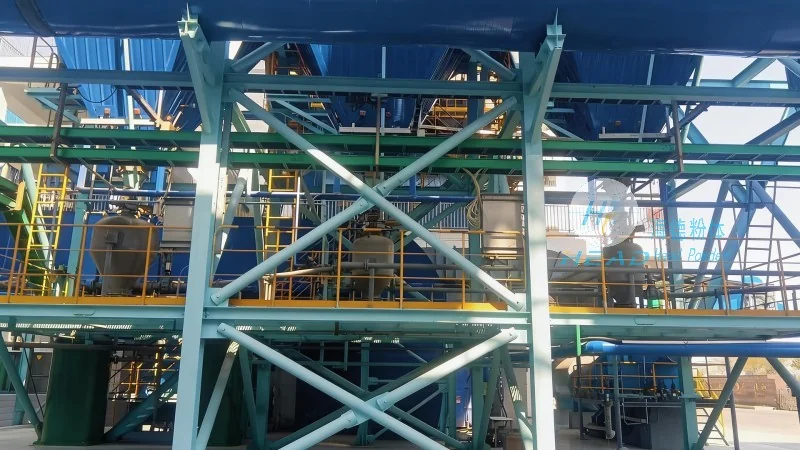
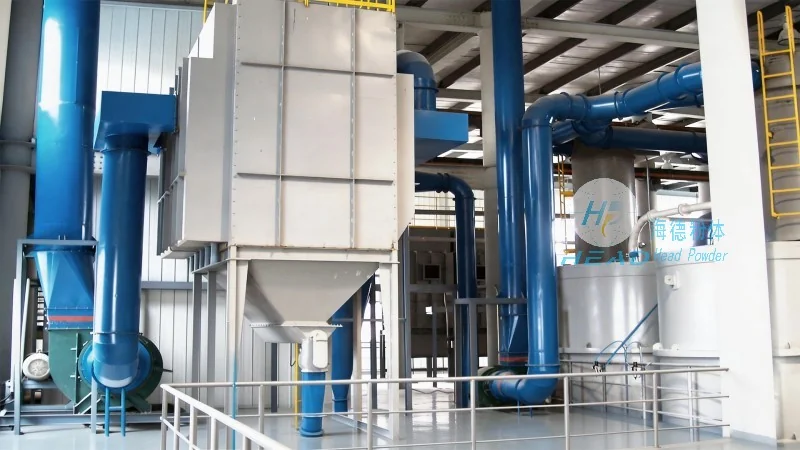
Common Hydrogen Sulfide Transport Methods
Several methods are traditionally used for transporting hydrogen sulfide, each with its own set of advantages and limitations. The choice of method depends on factors such as the volume of H₂S, the distance of transport, and the specific requirements of the industrial application. The primary conventional approaches include:
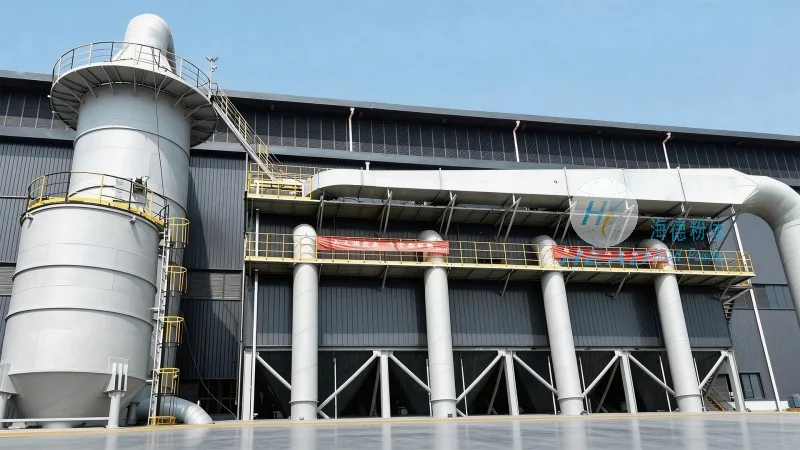
- Manual Handling: This method involves transferring H₂S using containers like drums or cylinders, which are manually moved by workers. While simple, manual handling is highly hazardous due to the gas's toxicity and the risk of exposure during loading and unloading. It also suffers from low efficiency and high labor costs.
- Mechanical Conveyors: Mechanical systems, such as belt conveyors or screw conveyors, are used to transport H₂S in bulk. These systems are more efficient than manual handling but still pose risks. The mechanical components can be exposed to H₂S, leading to corrosion and potential leaks. Additionally, mechanical conveyors may not be suitable for long-distance transport due to energy consumption and maintenance requirements.
- Pneumatic Conveying (Traditional): Traditional pneumatic systems use air pressure to move H₂S through pipes. While effective for some applications, these systems often require high air pressure, leading to energy inefficiencies and potential wear on components. They may also struggle with handling abrasive or sticky H₂S-containing materials, which can cause blockages and system failures.
Advantages of HeadPowder's Pneumatic Conveying System for H₂S Transport
Shandong HeadPowder Engineering Co., Ltd., a leading manufacturer based in China, has developed a specialized pneumatic conveying system designed specifically for the safe and efficient transport of hydrogen sulfide. The HeadPowder system incorporates advanced technology and robust engineering to address the challenges associated with traditional H₂S transport methods. Key advantages of this system include:
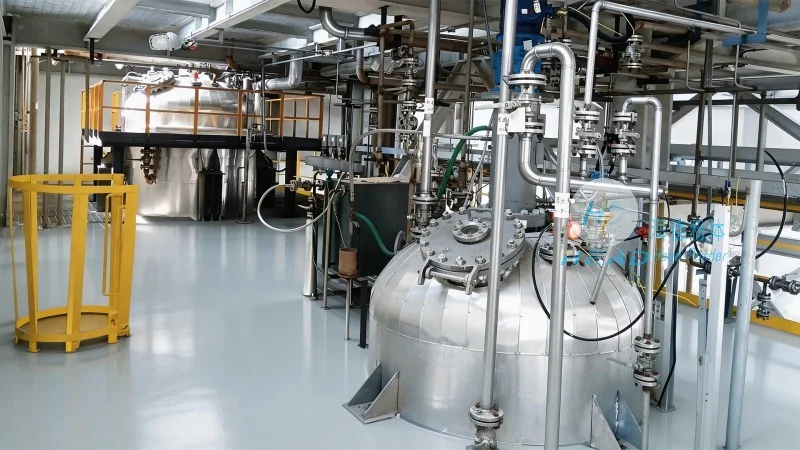
- Enhanced Safety: The system is engineered with multiple safety features to minimize the risk of H₂S exposure. These include sealed containers, automatic shut-off valves, and real-time monitoring systems that detect gas leaks or pressure anomalies. By reducing human exposure to H₂S, the system significantly lowers the risk of occupational hazards and ensures compliance with safety regulations.
- Energy Efficiency: Unlike traditional pneumatic systems that require high air pressure, HeadPowder's system uses optimized air flow and pressure control mechanisms. This results in lower energy consumption, reducing operational costs while maintaining efficient transport performance. The system's energy-saving design also contributes to a smaller environmental footprint.
- Versatility and Reliability: The HeadPowder pneumatic conveying system is designed to handle a wide range of H₂S-containing materials, including powders, slurries, and liquids. The system's robust construction and advanced materials resist corrosion and wear, ensuring long-term reliability and minimal downtime. Its adaptability allows for flexible integration into existing industrial processes, making it a cost-effective solution for various applications.
- Reduced Maintenance: The system incorporates durable components and simplified maintenance procedures, reducing the need for frequent repairs and replacements. The use of high-quality materials and precision engineering minimizes the risk of component failure, leading to lower maintenance costs and increased system uptime. This reliability is crucial for continuous industrial operations where downtime can result in significant losses.
Conclusion
As industrial operations increasingly prioritize safety and efficiency, the need for advanced H₂S transport solutions has become critical. HeadPowder's pneumatic conveying system offers a superior alternative to traditional methods, combining enhanced safety, energy efficiency, and reliability. By leveraging specialized engineering and robust technology, the system addresses the unique challenges of H₂S transport while providing a cost-effective solution for industrial clients. For industries dealing with hydrogen sulfide, adopting such advanced systems is essential to ensure operational safety, reduce costs, and maintain compliance with regulatory standards.




