HeadPowder, a leading engineering company based in Shandong, China, specializes in the design and implementation of advanced material handling systems. This article focuses on the pneumatic conveying line for seaweed powder, exploring its operational principles and typical application scenarios.
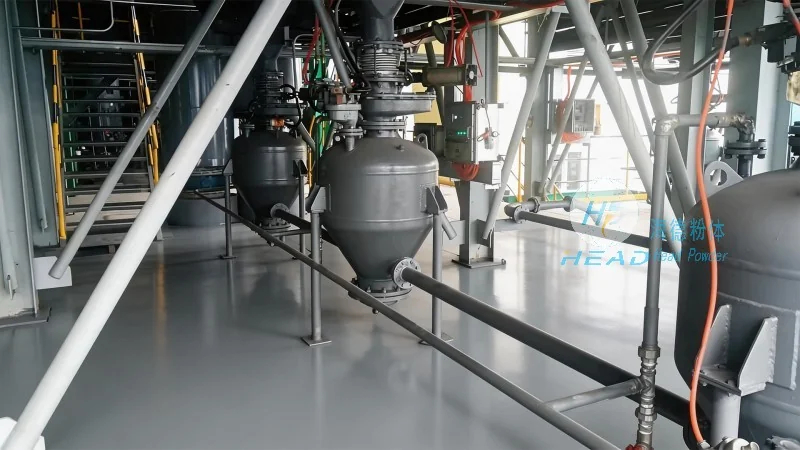
Introduction to Seaweed Powder Pneumatic Conveying Systems
Seaweed powder, a valuable natural product derived from marine algae, is widely used in various industries such as food, cosmetics, and pharmaceuticals. The efficient and safe transportation of this fine powder is crucial for maintaining product quality and minimizing operational costs. Pneumatic conveying systems offer an effective solution by utilizing air to transport the material through a pipeline network.
Principle of Pneumatic Conveying for Seaweed Powder
The core principle of a pneumatic conveying line involves the use of compressed air to create a flow that moves the powder particles through the system. There are two main types of pneumatic conveying: dilute-phase and dense-phase. For seaweed powder, which is typically fine and light, dilute-phase systems are commonly employed. In these systems, the powder is suspended in the air stream, allowing for high-velocity transport with minimal pressure drop. The process begins with the powder being fed into a hopper, where it is then drawn into the conveying line by the air flow generated by a blower or compressor. The air and powder mixture travels through the pipeline, often passing through bends and valves, before being separated at the discharge point. A cyclone separator or filter is typically used to separate the powder from the air, ensuring that the product is collected in a clean and controlled manner.
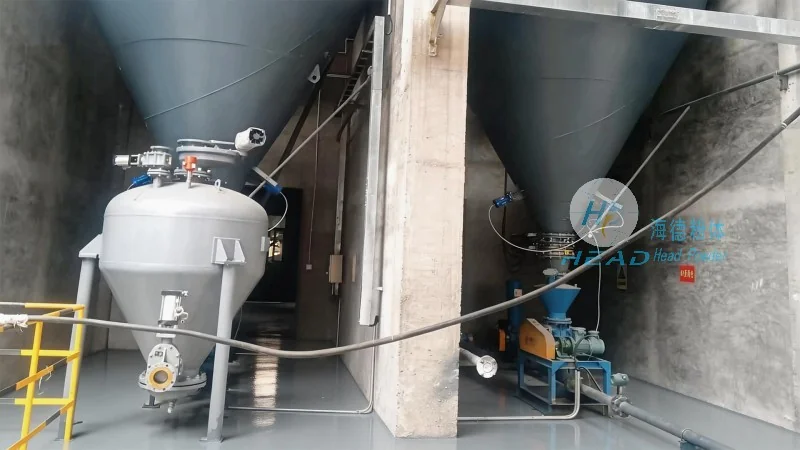
Key Components of the Seaweed Powder Pneumatic Conveying Line
Several critical components work together to ensure the smooth operation of the system. The primary components include the hopper for material storage, the blower or compressor to generate the air flow, the conveying pipeline with appropriate bends and valves, and the separation equipment such as cyclones or filters. Each component is designed to handle the specific characteristics of seaweed powder, which may vary in particle size, moisture content, and bulk density. For example, the hopper may be equipped with a rotary valve to control the feed rate, preventing blockages and ensuring a consistent flow. The pipeline is usually made of materials like stainless steel or PVC to prevent corrosion and contamination, which is essential for maintaining the purity of the seaweed powder.
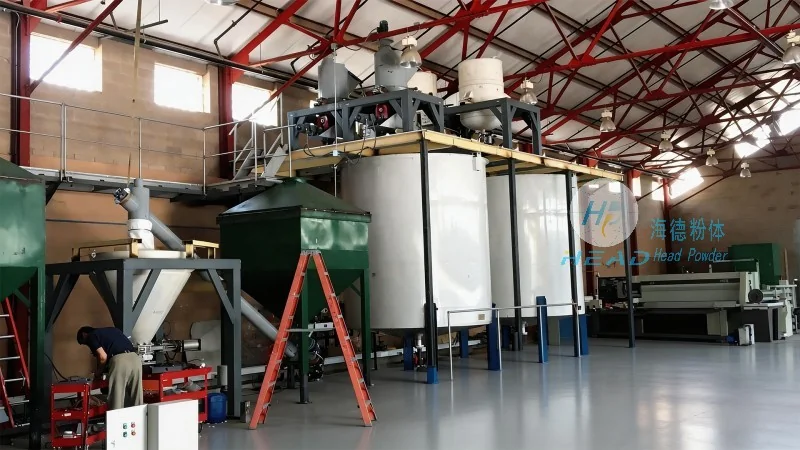
Working Scene Characteristics and Application Advantages
The working scene characteristics of the seaweed powder pneumatic conveying line are tailored to meet the demands of different industrial environments. One key characteristic is the ability to transport the powder over long distances without the need for multiple transfer points, which reduces the risk of product contamination and improves overall efficiency. The system is also suitable for applications where dust control is critical, as the enclosed pipeline prevents the release of fine particles into the environment. Additionally, the pneumatic conveying line can be integrated with other processing equipment, such as mixing or drying units, to form a complete production line. This integration allows for a seamless flow of materials from raw seaweed to the final product, enhancing productivity and reducing labor costs.
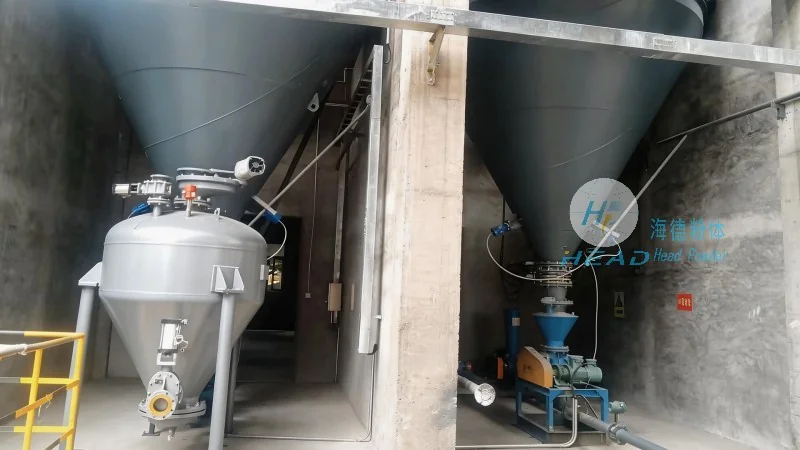
Operational Efficiency and Maintenance Considerations
Efficient operation of the pneumatic conveying line for seaweed powder depends on several factors, including the proper selection of equipment and regular maintenance. The blower or compressor must be sized appropriately to handle the volume and pressure requirements of the system. Regular cleaning of the pipeline and separation equipment is essential to prevent clogging and ensure consistent performance. Additionally, monitoring the air pressure and flow rate can help identify any issues early, allowing for timely maintenance and reducing downtime. The use of high-quality materials and components also contributes to the longevity of the system, ensuring that it can operate reliably for extended periods.
Conclusion
HeadPowder's pneumatic conveying line for seaweed powder is a sophisticated solution that combines advanced engineering with practical application. By understanding the principles and characteristics of this system, industries can enhance their material handling processes, improve product quality, and reduce operational costs. The system's adaptability to various working environments and its ability to integrate with other production equipment make it a valuable asset for companies dealing with seaweed powder. With its headquarters in Shandong, China, HeadPowder continues to provide innovative solutions for material handling challenges in the global market.




