HeadPowder Engineering, a leading provider of industrial material handling solutions, specializes in the design and implementation of advanced pneumatic conveying systems tailored for high-value materials like lithium manganese oxide. This article explores the fundamental principles behind these systems and highlights the key working scene characteristics that make them indispensable in modern battery manufacturing and material processing industries.
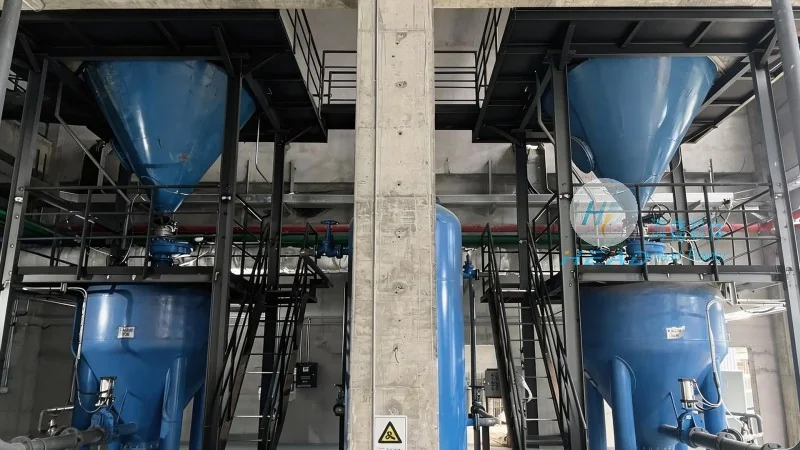
Understanding the Pneumatic Conveying Principle for Lithium Manganese Oxide
The core mechanism of a pneumatic conveying line involves the use of compressed air or gas to transport solid particles through a pipeline. In the case of lithium manganese oxide, a fine, high-purity material critical for lithium-ion battery cathodes, this method offers a non-contact, dust-free, and highly efficient means of material movement. The system typically comprises a hopper for material storage, a feeder to control the flow rate, a conveying line with appropriate diameter and length, and a receiver for the material's final deposition. The air velocity within the pipeline is carefully managed to ensure that the particles remain suspended and transported without clogging or degradation. This principle is particularly advantageous for materials that are sensitive to moisture, temperature fluctuations, or physical abrasion, as the enclosed system minimizes exposure to external contaminants.
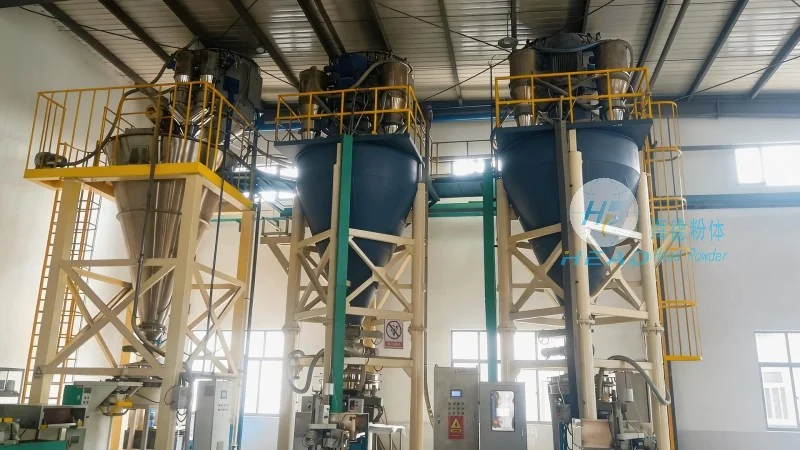
Key Working Scene Characteristics of Lithium Manganese Oxide Pneumatic Conveying Lines
When deployed in industrial settings, lithium manganese oxide pneumatic conveying systems exhibit several distinct characteristics that enhance operational efficiency and material integrity. Firstly, the system's ability to handle fine powders with consistent particle size distribution is crucial, as lithium manganese oxide is often processed into sub-micron particles for optimal battery performance. The conveying line's design, including the use of smooth, corrosion-resistant tubing and appropriate bends with minimal pressure loss, ensures that the material is transported without agglomeration or segregation. Secondly, the system's scalability allows it to accommodate varying production volumes, from small-scale laboratory testing to large-scale manufacturing lines, making it versatile for different production stages. Thirdly, the integration of dust collection and filtration systems within the conveying line helps maintain a clean working environment, which is essential for compliance with industrial safety and environmental regulations. Additionally, the system's low maintenance requirements and ability to operate continuously without frequent stops contribute to overall cost-effectiveness and productivity.
Application Scenarios and Industry Impact
HeadPowder Engineering's pneumatic conveying solutions for lithium manganese oxide are widely applied in the battery manufacturing sector, where the precise handling of raw materials is critical to the quality of the final product. These systems are commonly used in the following scenarios: (1) Material transfer from bulk storage silos to processing equipment, such as ball mills or mixers, ensuring a steady and controlled feed rate. (2) In-line blending of lithium manganese oxide with other cathode active materials, allowing for uniform composition and consistent battery performance. (3) Transport of finished or partially processed material to packaging or quality control stations, maintaining the material's purity and preventing contamination. The working scene characteristics, including high efficiency, low energy consumption, and minimal material degradation, directly contribute to improved production yields and reduced operational costs for manufacturers. Furthermore, the non-contact nature of pneumatic conveying reduces the risk of material contamination from human handling or mechanical contact, which is vital for maintaining the high purity standards required in lithium-ion battery production.
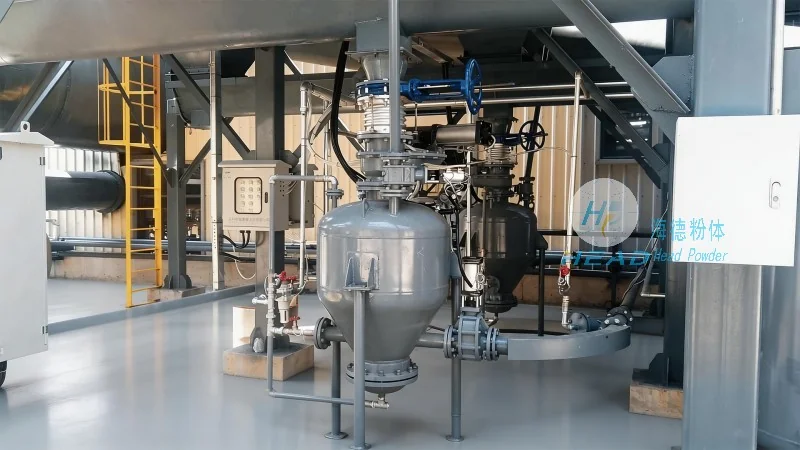
Conclusion and Company Expertise
As a company based in Shandong, China, HeadPowder Engineering leverages its expertise in material handling technology to deliver customized pneumatic conveying solutions that meet the specific needs of lithium manganese oxide processing. By understanding the unique properties of lithium manganese oxide and the demands of modern battery manufacturing, the company ensures that its systems are optimized for performance, reliability, and cost-effectiveness. The principles and working scene characteristics discussed here underscore the importance of advanced material handling systems in supporting the growing demand for high-performance lithium-ion batteries. HeadPowder Engineering's commitment to innovation and quality positions it as a trusted partner for businesses seeking to enhance their material processing capabilities in the battery industry.




