As a specialized equipment for transporting cement dry ash, the pneumatic conveying machine plays a crucial role in the cement industry. It efficiently handles the transportation of bulk materials, ensuring stable and reliable operation in production lines. This article will delve into the operation process and working principle of such a machine, providing a comprehensive understanding for users.
About HeadPowder Engineering Co., Ltd.
HeadPowder, the professional manufacturer of pneumatic conveying equipment, is headquartered in Shandong, China. With years of experience in the industry, HeadPowder has developed advanced technologies and reliable products to meet the diverse needs of clients in the cement sector. The company's commitment to quality and innovation has established it as a trusted partner in material handling solutions.
Operation Process of the Cement Dry Ash Pneumatic Conveying Machine
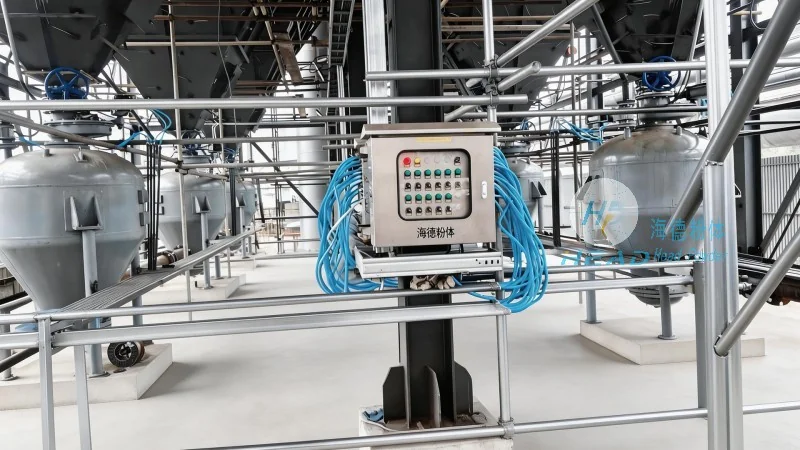
The operation of a cement dry ash pneumatic conveying machine typically involves several key steps. First, the dry ash material is loaded into the hopper or storage silo. Then, the material is fed into the conveying pipeline through a feeder, such as a rotary valve or a screw feeder. Simultaneously, a blower or compressor generates the necessary air pressure to create a flow of air within the pipeline. The air and material mixture travels through the pipeline to the discharge point, where the material is separated from the air and collected in the receiving hopper. The system also includes a filter and a dust collector to ensure that the air is cleaned and returned to the system, maintaining environmental compliance and equipment longevity.
Working Principle of the Pneumatic Conveying System
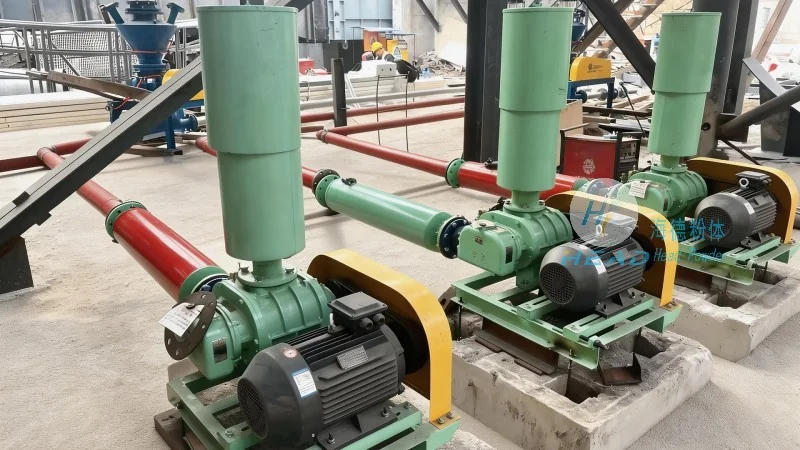
The working principle of a cement dry ash pneumatic conveying machine is based on the air flow and material suspension. The machine uses a pressure or vacuum system to transport the dry ash. In a pressure system, the blower supplies compressed air, which pushes the material along the pipeline. The material is suspended in the air stream and moves through the pipeline. The velocity of the air is critical; it must be sufficient to keep the material particles in suspension but not so high as to cause excessive wear on the equipment. The pipeline design, including bends and elbows, is optimized to minimize pressure loss and ensure smooth material flow. The system also incorporates check valves and pressure relief devices to prevent backflow and protect the equipment from overpressure.
Key Components and Their Functions
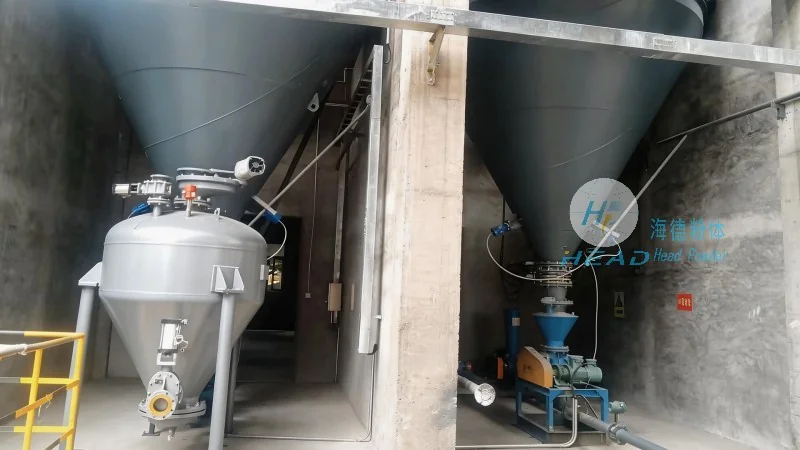
Several key components are integral to the efficient operation of a cement dry ash pneumatic conveying machine. The hopper or silo serves as the material storage and feeding unit, ensuring a consistent supply of dry ash. The feeder, such as a rotary valve or screw feeder, controls the material flow rate into the pipeline. The blower or compressor provides the necessary air pressure to create the conveying air stream. The conveying pipeline transports the material from the source to the destination. The discharge hopper collects the material at the end of the pipeline. The filter and dust collector remove particulate matter from the air, ensuring compliance with environmental regulations and preventing equipment damage from dust accumulation.
Advantages of Using Pneumatic Conveying for Cement Dry Ash
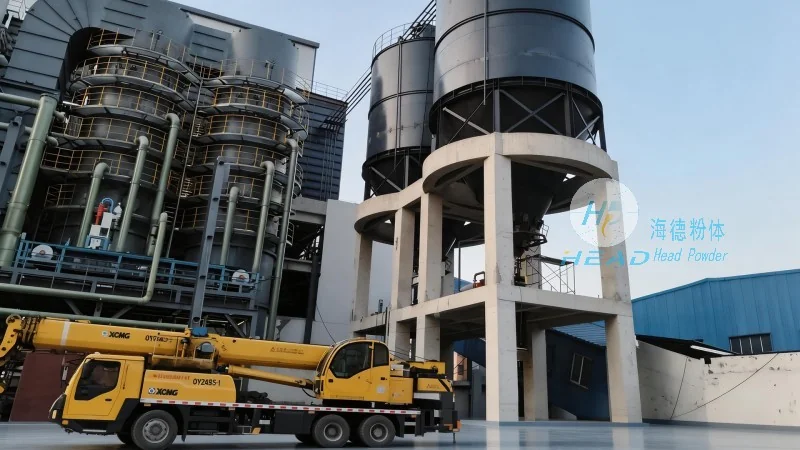
Employing a pneumatic conveying machine for cement dry ash offers several advantages over traditional methods. It eliminates the need for mechanical conveyors, reducing wear and tear on equipment and minimizing maintenance costs. The system is flexible, allowing for changes in material flow rates and pipeline configurations. It also provides a dust-free environment, improving workplace safety and reducing the risk of dust-related health issues. Additionally, the system can handle a wide range of material properties, including different particle sizes and moisture contents, making it suitable for various cement production applications.
Conclusion
In summary, the cement dry ash pneumatic conveying machine is a vital piece of equipment in the cement industry, enabling efficient and reliable transportation of bulk materials. The operation process involves loading, feeding, conveying, and discharging, while the working principle relies on air flow and material suspension. With its advanced design and components, this machine offers significant advantages in terms of efficiency, safety, and cost-effectiveness. HeadPowder Engineering Co., Ltd., based in Shandong, China, is a leading manufacturer of such equipment, providing high-quality solutions tailored to the needs of the cement sector.




