HeadPowder, a leading manufacturer in the field of material handling equipment, specializes in the design, production, and supply of pneumatic conveying systems tailored for various industrial applications. The company is headquartered in Shandong, China, where it leverages advanced technology and engineering expertise to deliver high-quality solutions for transporting bulk materials like sand particles efficiently and reliably.
Introduction to Sand Particle Pneumatic Conveying Equipment
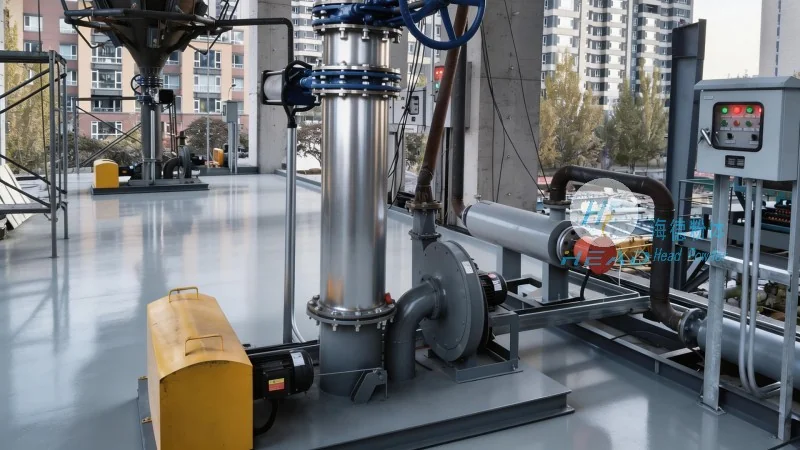
Sand particle pneumatic conveying equipment is a critical component in many industrial processes, enabling the safe and efficient transport of granular materials over short to medium distances. This technology utilizes compressed air or gas to move particles through a pipeline system, eliminating the need for mechanical components such as belts or buckets that are common in traditional conveying methods. The equipment is designed to handle abrasive materials like sand, which can be challenging for conventional systems due to their potential to cause wear and tear on machinery parts.
Working Principle of Pneumatic Conveying Systems
The core working principle of a sand particle pneumatic conveying system involves the creation of a pressure differential within a pipeline. Compressed air is introduced into the system, typically at the inlet of the conveying line, where it generates a flow that propels the sand particles forward. The system can operate in either positive pressure or negative pressure modes, depending on the specific application and material characteristics. In positive pressure systems, air is forced into the pipeline, pushing the material along. In negative pressure systems, air is drawn out of the pipeline, creating a vacuum that pulls the material. For sand particles, positive pressure systems are often preferred as they provide better control over the flow and reduce the risk of material degradation.
Key Components and Their Functions
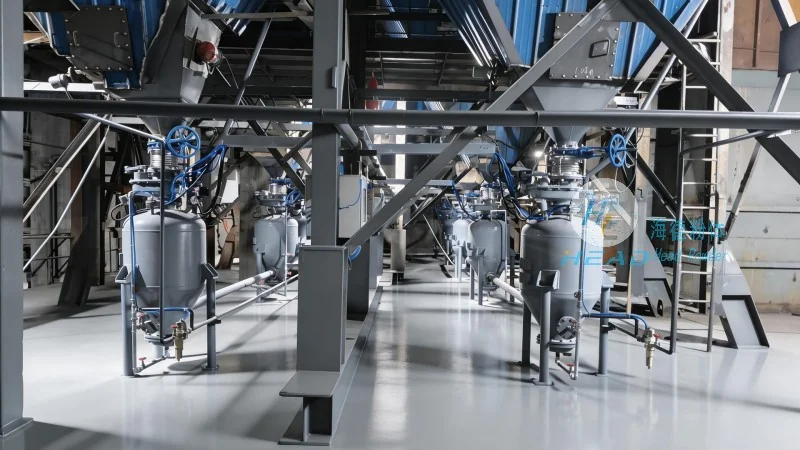
A typical sand particle pneumatic conveying system consists of several key components, each playing a vital role in the overall operation. The main components include a hopper for material storage, a feeder to control the flow rate of sand particles, a conveying line (usually made of stainless steel or other corrosion-resistant materials to withstand the abrasive nature of sand), a compressor or air source to provide the necessary pressure, and a receiver or discharge unit to collect the material at the end of the line. The hopper is designed to hold a sufficient quantity of sand, ensuring a continuous supply to the feeder. The feeder, often a rotary valve or a screw feeder, regulates the amount of material entering the conveying line, preventing overloading and maintaining consistent flow. The conveying line is the central part of the system, where the sand particles are transported under the influence of the air flow. The compressor or air source generates the required pressure, typically ranging from 0.5 to 1.5 bar, depending on the distance and material properties. The receiver at the end of the line collects the sand particles and may include a dust collection system to ensure environmental compliance and material purity.
Operation Process of the Equipment
The operation process of sand particle pneumatic conveying equipment begins with the loading of sand into the hopper. The hopper is equipped with a level indicator to monitor the material level, ensuring that it does not run out during operation. Once the hopper is filled, the feeder is activated to control the flow rate of sand particles into the conveying line. The compressor then starts, supplying compressed air to the inlet of the line. As the air flows through the line, it picks up the sand particles and transports them to the receiver. The speed of the air flow and the pressure determine the velocity of the particles, which must be sufficient to overcome the gravitational forces and any friction within the pipeline. The system operates continuously as long as the hopper has material and the compressor is running. During operation, the pressure and flow rates are monitored to ensure optimal performance. If any issues arise, such as a blockage in the line or a drop in pressure, the system may automatically shut down or alert the operator to take corrective action. The receiver collects the sand particles and may be equipped with a discharge valve to release the material when needed. The entire process is designed to be efficient, with minimal downtime and high material throughput, making it an ideal solution for industrial sand handling applications.
Advantages of Using Pneumatic Conveying for Sand Particles
Compared to traditional conveying methods, sand particle pneumatic conveying equipment offers several advantages that make it a preferred choice in many industries. One of the primary benefits is the ability to handle abrasive materials without significant wear on the equipment. The absence of mechanical parts reduces maintenance costs and extends the lifespan of the system. Additionally, pneumatic conveying systems are more flexible in terms of layout, as they can be installed in various configurations, including vertical, horizontal, or a combination of both, to suit the specific requirements of the facility. The system also provides better control over the material flow, allowing for precise regulation of the sand particle velocity and pressure. This control helps in preventing material degradation, such as clumping or segregation, which can occur in other conveying methods. Furthermore, pneumatic conveying is more hygienic and cleaner, as it does not involve direct contact between the material and the conveying components, reducing the risk of contamination. The system is also more energy-efficient compared to some mechanical systems, as it uses compressed air, which can be generated and recycled within the facility. Overall, the advantages of sand particle pneumatic conveying equipment make it a cost-effective and reliable solution for industrial sand handling needs.
Applications and Industries
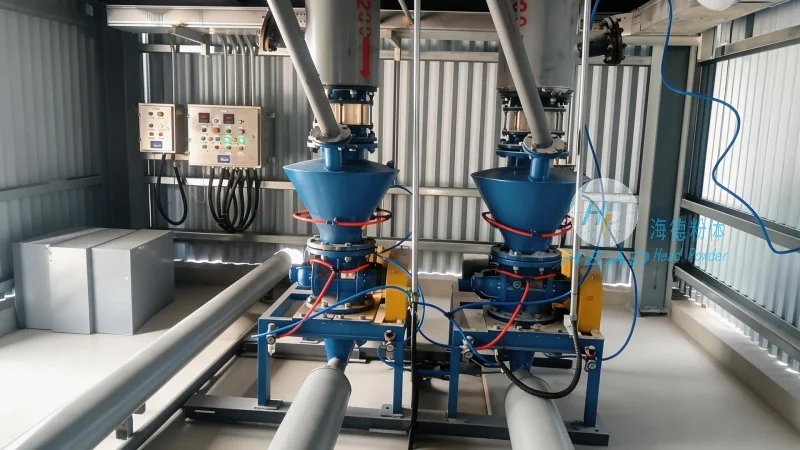
Sand particle pneumatic conveying equipment is widely used in various industries that require the transport of bulk materials. Some of the key applications include construction sites, where sand is transported from storage areas to mixing plants or construction sites. In the mining industry, the equipment is used to move sand from mining sites to processing facilities or storage areas. The manufacturing industry also benefits from this technology, as it is used to transport sand for the production of concrete, mortar, and other building materials. Additionally, the equipment is used in the glass and ceramics industry for transporting sand used in the production of glass products. The versatility of the system allows it to be adapted to different applications, making it a valuable asset in many industrial settings.
Conclusion
HeadPowder's sand particle pneumatic conveying equipment is a reliable and efficient solution for transporting bulk materials like sand. The company's expertise in engineering and manufacturing ensures that the equipment is designed to meet the specific needs of each application, providing optimal performance and durability. With its headquarters in Shandong, China, HeadPowder leverages advanced technology and quality materials to deliver high-performance pneumatic conveying systems that enhance productivity and reduce operational costs. The equipment's working principle, operation process, and advantages make it an ideal choice for industries that require safe and efficient material handling solutions. By choosing HeadPowder's sand particle pneumatic conveying equipment, businesses can improve their operational efficiency, reduce maintenance costs, and ensure the reliable transport of their materials.




