For industrial applications involving the handling of amino acetic acid, a specialized pneumatic conveying system is often employed to ensure efficient and safe material transport. This equipment, designed by Shandong HeadPowder Engineering Co., Ltd., a leading manufacturer based in China, plays a crucial role in optimizing the production workflow for amino acetic acid processing facilities. The following sections will detail the operation process and working principle of such a system, providing insights into its functionality and the technical considerations that underpin its design.
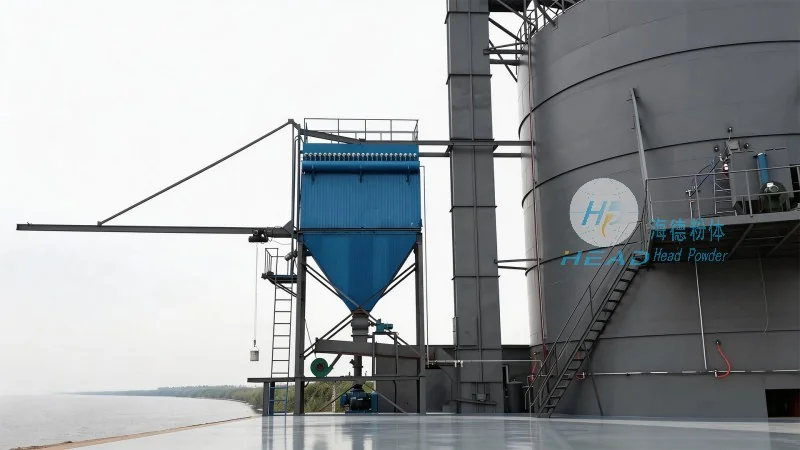
Overview of the Amino Acetic Acid Pneumatic Conveying System
The amino acetic acid pneumatic conveying system is a closed-loop system that utilizes compressed air to transport solid or liquid materials (in this case, amino acetic acid) from a source to a destination. The system is engineered to handle the specific properties of amino acetic acid, such as its chemical reactivity, moisture content, and particle size, ensuring minimal degradation or contamination during transport. Key components of the system typically include a hopper for material storage, a feeder to control the flow rate, a conveying line (often equipped with bends and filters), and a receiver for the material at the destination. The system is designed to operate under controlled pressure and temperature conditions, which are critical for maintaining the quality of the amino acetic acid being transported.
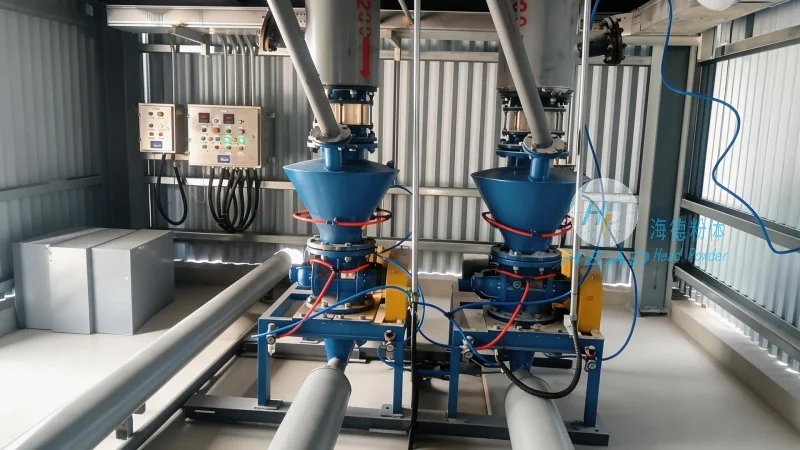
Operation Process of the Amino Acetic Acid Pneumatic Conveying System
The operation process of the amino acetic acid pneumatic conveying system involves several sequential steps that ensure smooth and continuous material transfer. Initially, the amino acetic acid is loaded into the hopper from a storage tank or bulk container. The feeder then regulates the flow of the material into the conveying line, controlling the feed rate to match the system's capacity and the demand at the receiving end. Compressed air is introduced into the conveying line, creating a flow that propels the amino acetic acid particles through the system. The air and material mixture travels through the pipeline, passing through any necessary bends, filters, or control valves. At the destination, the material is separated from the air in the receiver, where the air is typically filtered and recycled back into the system to conserve energy and reduce waste. The receiver collects the amino acetic acid, which is then transferred to the next stage of the production process, such as packaging or further processing. Throughout the operation, the system is monitored for pressure, flow rate, and material level to ensure optimal performance and prevent any potential issues, such as blockages or overloading.
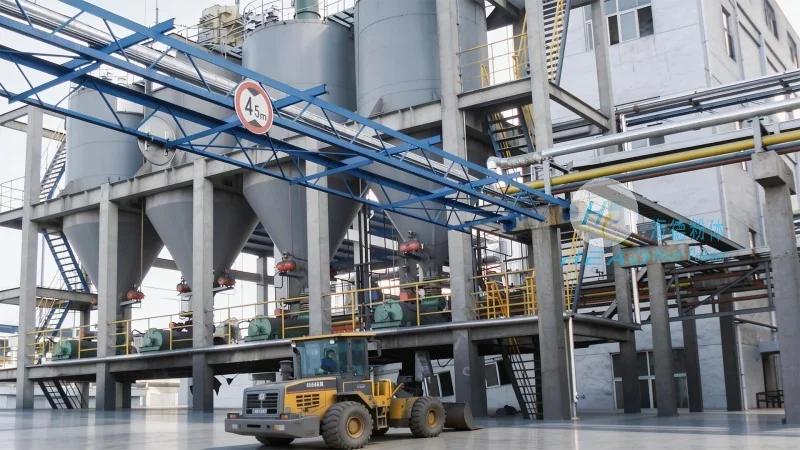
Working Principle of the Amino Acetic Acid Pneumatic Conveying System
The working principle of the amino acetic acid pneumatic conveying system is based on the fundamental concept of pneumatic transport, where the material is suspended and transported by the force of compressed air. The system operates on the principle of creating a pressure differential between the source and the destination. The compressed air, supplied by a blower or compressor, generates a high-velocity airflow within the conveying line. As the amino acetic acid particles are introduced into the line, they are entrained by the air stream, forming a mixture known as a "slurry" or "pneumatic stream." The air velocity is maintained at a level sufficient to keep the particles suspended and prevent them from settling or clogging the pipeline. The pressure in the system is carefully controlled to ensure that the material is transported without excessive pressure drops, which could lead to material degradation or system inefficiencies. The system also incorporates features such as air filters and cyclones to separate the material from the air, ensuring that the amino acetic acid is delivered in a clean and uncontaminated state. The working principle is designed to be energy-efficient, as the compressed air is recycled and reused within the system, reducing the overall energy consumption compared to traditional mechanical conveying methods.
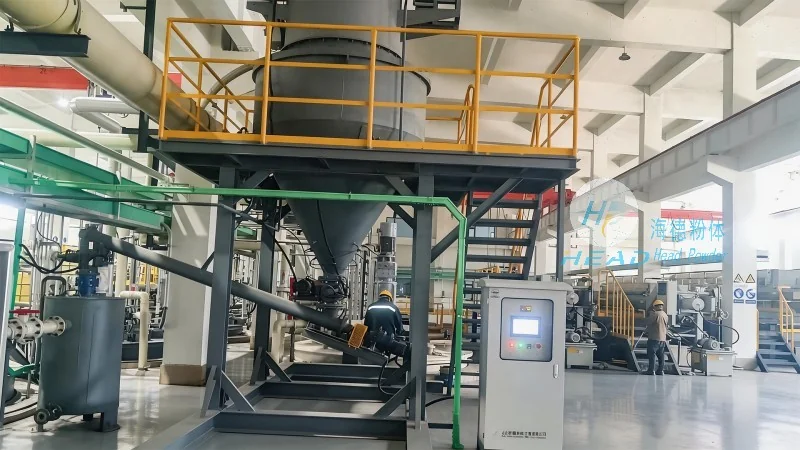
Key Features and Benefits of the Amino Acetic Acid Pneumatic Conveying System
The amino acetic acid pneumatic conveying system developed by Shandong HeadPowder Engineering Co., Ltd. offers several key features and benefits that make it an ideal choice for industrial applications. One of the primary advantages is its ability to handle the specific properties of amino acetic acid, such as its chemical reactivity and moisture sensitivity, without causing degradation or contamination. The system is designed with corrosion-resistant materials to withstand the acidic nature of amino acetic acid, ensuring long-term durability and reliability. Additionally, the system is equipped with advanced control systems that allow for precise regulation of the flow rate and pressure, enhancing operational efficiency and reducing downtime. The closed-loop design of the system minimizes material loss and environmental impact, as the air is filtered and recycled, preventing dust emissions and reducing waste. The system also offers flexibility in terms of layout, as it can be configured to accommodate different production line configurations and space constraints. Overall, the amino acetic acid pneumatic conveying system provides a safe, efficient, and cost-effective solution for the transport of amino acetic acid, contributing to improved productivity and product quality in industrial settings.




