The vinyl ester resin pneumatic conveying system equipment is a specialized industrial device designed to transport vinyl ester resin through a pneumatic conveying mechanism. This equipment is a critical component in the material handling and processing industry, enabling the efficient and safe movement of resin from storage or production areas to processing sites. Manufactured by Shandong HeadPowder Engineering Co., Ltd., a leading engineering company based in Shandong, China, this system combines advanced pneumatic technology with robust mechanical design to meet the stringent requirements of modern industrial applications. The system is engineered to handle the unique properties of vinyl ester resin, ensuring consistent performance and reliability in various operational conditions.
Key Components and Their Functional Roles
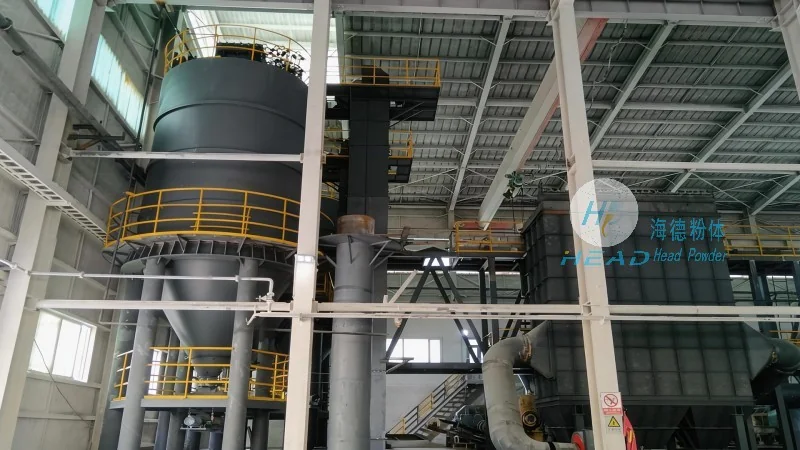
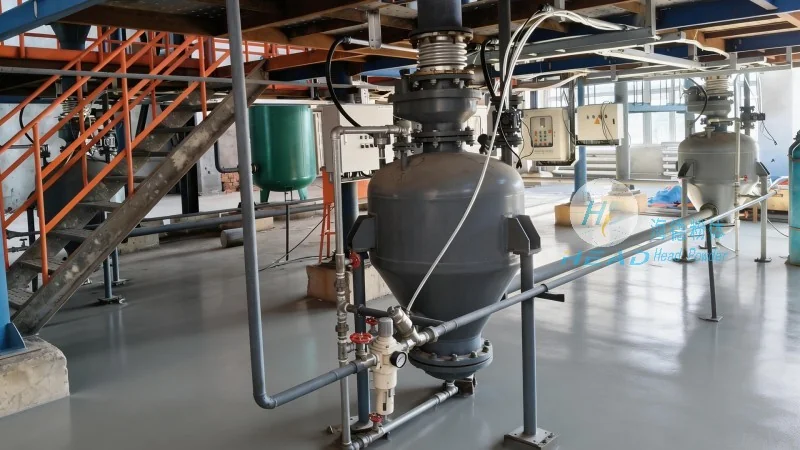
The vinyl ester resin pneumatic conveying system comprises several essential components, each contributing to the overall operation. The primary components include the material hopper, which serves as the storage container for the resin; the air compressor, responsible for generating the necessary compressed air to drive the material flow; the conveying pipeline, which forms the path for transporting the resin; the control valve, used to regulate air pressure and flow rate; and the dust collector, which captures airborne particles to maintain environmental safety. The material hopper is typically equipped with a feeding mechanism, such as a screw feeder or rotary valve, to control the resin discharge rate. The air compressor operates at a specific pressure range, ensuring sufficient force to move the resin particles through the pipeline. The conveying pipeline is constructed from materials resistant to the chemical properties of vinyl ester resin, preventing corrosion and degradation. The control valve allows precise adjustment of air flow, enabling the system to handle varying material loads and maintain consistent conveying speeds. The dust collector, often equipped with filtration systems, ensures that any fine particles are captured, preventing air contamination and maintaining a clean working environment.
Working Principle: How the Pneumatic Conveying Process Operates
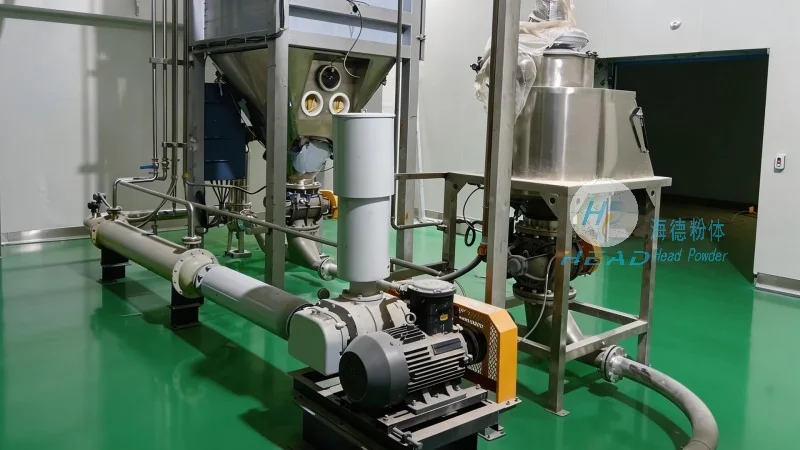
The working principle of the vinyl ester resin pneumatic conveying system is based on the use of compressed air to create a flow of material through the conveying pipeline. The process initiates when the vinyl ester resin is loaded into the material hopper. The feeding mechanism then regulates the resin flow into the pipeline. The air compressor then generates high-pressure air, which is introduced into the pipeline. This compressed air creates a pressure differential that either pulls or pushes the resin particles along the pipeline, depending on the system design (e.g., suction or pressure conveying). The control valve is crucial in this process, as it adjusts the air flow rate and pressure to maintain the desired conveying speed and volume. The conveying pipeline is designed with appropriate bends and fittings to ensure smooth material flow, minimizing friction and particle separation. The dust collector is integrated at the discharge end to capture any fine particles that may be released during the conveying process, ensuring compliance with environmental regulations and maintaining product purity.
Step-by-Step Operation Process: From Loading to Discharge
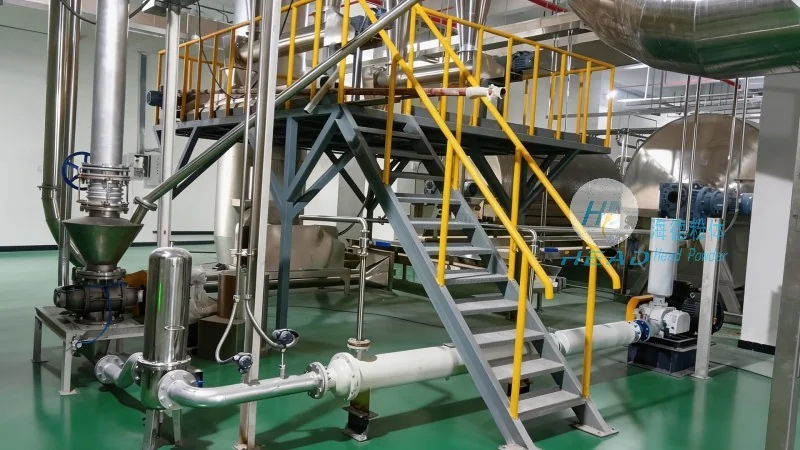
The operation of the vinyl ester resin pneumatic conveying system follows a systematic sequence of steps to ensure efficient material transport. First, the vinyl ester resin is loaded into the material hopper. The hopper is equipped with a level sensor to monitor the resin inventory, providing real-time data to the control system. Next, the air compressor is activated, and the control valve is set to the appropriate pressure and flow rate based on the material characteristics and conveying distance. The compressed air is then introduced into the pipeline, creating a flow that transports the resin from the hopper to the discharge point. The discharge point is typically located at the processing site, where the resin is used for manufacturing or further processing. The system operates continuously, with the control system monitoring parameters such as pressure, flow rate, and material level. Any deviations in these parameters are automatically adjusted by the control valve to maintain stable operation. The dust collector continuously filters the air, capturing particles and ensuring a clean environment. The entire process is automated, reducing the need for manual intervention and enhancing operational efficiency.




