Alumina crystal powder conveying systems are critical components in industrial processing, particularly in the handling and transportation of high-purity alumina powders used in various manufacturing applications. The efficient operation of these systems ensures consistent material flow, maintaining product quality and operational efficiency. This article provides a detailed overview of the operation process and working principles of alumina crystal powder conveying, highlighting key components, operational steps, and the technical aspects that contribute to effective material handling.
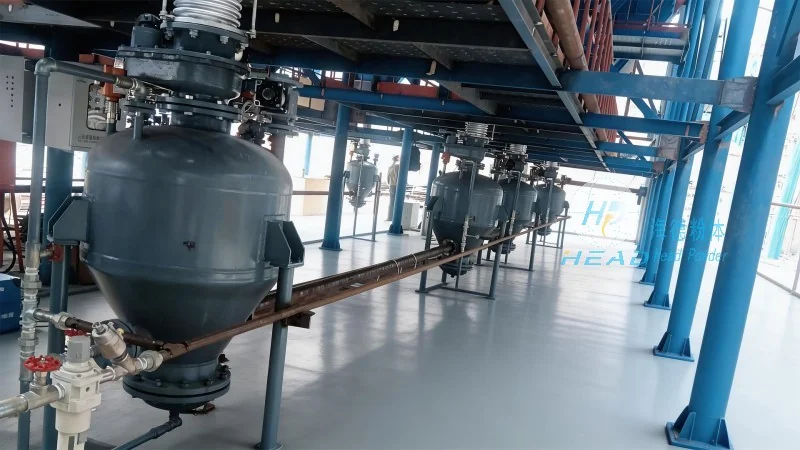
Key Components of Alumina Crystal Powder Conveying Systems
The alumina crystal powder conveying system typically consists of several essential components that work in tandem to facilitate the movement of the powder. These components include feed hoppers, conveyor belts or screw conveyors, pneumatic or mechanical transport mechanisms, and control systems. Each component plays a vital role in ensuring the smooth and controlled transfer of the alumina crystals from the source to the destination. The feed hopper is designed to hold the raw alumina powder, providing a stable supply to the conveyor system. It often features a sloped bottom to facilitate the flow of the powder into the conveyor, minimizing the risk of clogging or blockages. The conveyor mechanism, whether a belt conveyor or a screw conveyor, is responsible for the primary movement of the powder. Belt conveyors are commonly used for horizontal or slight incline transport, while screw conveyors are ideal for vertical or steep incline applications. Both types are engineered to handle the abrasive nature of alumina crystals, with materials such as stainless steel or special alloys used for the conveyor surfaces to prevent wear and maintain product purity. The transport mechanism, which may include pneumatic systems like air slides or mechanical systems like bucket elevators, further enhances the conveying process by providing additional force to move the powder, especially in cases of high resistance or vertical movement. Control systems are integrated into the setup to monitor and regulate the flow rate, pressure, and other parameters, ensuring that the conveying process operates within optimal conditions. These systems may include sensors, valves, and programmable logic controllers (PLCs) that adjust the speed of the conveyor or the pressure of the air system as needed, maintaining a consistent and reliable material flow.
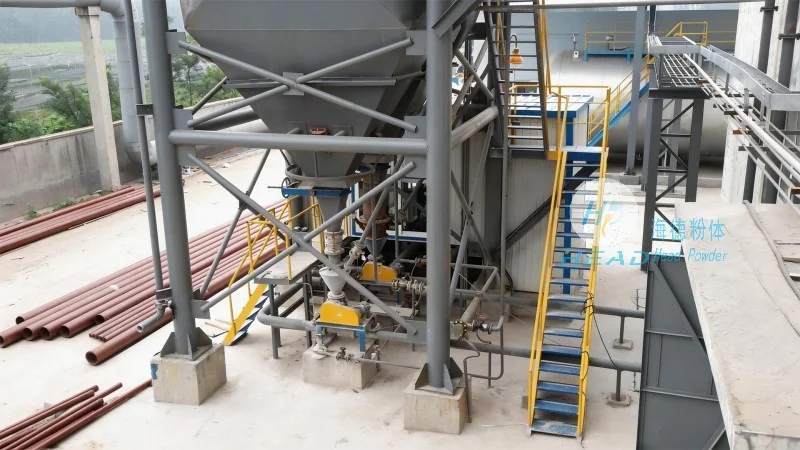
Operation Process of Alumina Crystal Powder Conveying
The operation process of an alumina crystal powder conveying system involves several sequential steps that ensure the efficient transfer of the material. The process begins with the loading of the alumina powder into the feed hopper. The powder is typically stored in a silo or bulk container, and a loading mechanism, such as a hopper or a bucket elevator, moves the material into the feed hopper. The feed hopper is designed to maintain a consistent level of powder, preventing overfilling or underfilling that could disrupt the conveying process. Once the powder is in the feed hopper, it is discharged into the conveyor system. The conveyor then transports the powder to the next stage of the process, such as a storage silo, a processing unit, or a packaging area. The speed of the conveyor is controlled based on the required flow rate, which is determined by the production needs and the capacity of the downstream equipment. For example, if the downstream process requires a steady supply of powder, the conveyor speed is adjusted to maintain a consistent flow. The conveying process may involve multiple stages, with intermediate storage or processing steps between the initial loading and the final destination. Each stage is carefully managed to ensure that the powder remains in a dry and free-flowing state, as moisture or agglomeration can affect the performance of the conveying system. The final stage of the operation involves the discharge of the powder from the conveyor into the receiving container or processing equipment. This step is critical to prevent any material from being left in the system, which could lead to clogging or contamination. The discharge is typically controlled by a valve or a gate that regulates the flow of the powder, ensuring a smooth and controlled release.
Working Principles of Alumina Crystal Powder Conveying
The working principles of alumina crystal powder conveying systems are based on the principles of fluidization, gravity, and mechanical force. The system operates by converting the alumina powder from a solid state into a fluid-like state, allowing it to be transported through the system. This fluidization is achieved by introducing air or gas into the powder bed, creating a mixture of powder and air that behaves like a fluid. The air flow is controlled to maintain the desired fluidization state, ensuring that the powder particles are suspended and can move freely. Gravity plays a role in the horizontal and slight incline conveying, where the powder moves from a higher to a lower level due to the force of gravity. However, for vertical or steep incline applications, mechanical force is required to overcome the gravitational resistance. The conveyor system provides this mechanical force through the rotation of the conveyor belt or screw, which pushes the powder forward. The pneumatic transport mechanism, such as an air slide, uses the pressure of the air to move the powder, leveraging the principle of fluidization to facilitate the movement. The control systems in the conveying process ensure that the air pressure and flow rate are adjusted to maintain the optimal fluidization state, preventing the powder from settling or clogging the system. The working principles also involve the management of particle size and density, as these factors affect the fluidization characteristics and the conveying efficiency. Larger or denser particles may require higher air flow rates to achieve proper fluidization, while smaller particles may settle more easily and require additional agitation or mixing to maintain the fluid state. The system is designed to accommodate these variations by adjusting the air flow and conveyor speed accordingly, ensuring consistent performance. Additionally, the conveying system is engineered to handle the abrasive nature of alumina crystals, with components such as the conveyor surfaces and the transport mechanisms made from materials that can withstand the wear and tear caused by the powder. This ensures that the system operates for extended periods without significant degradation, maintaining the quality of the conveyed material.
About Shandong HeadPowder Engineering Co., Ltd.
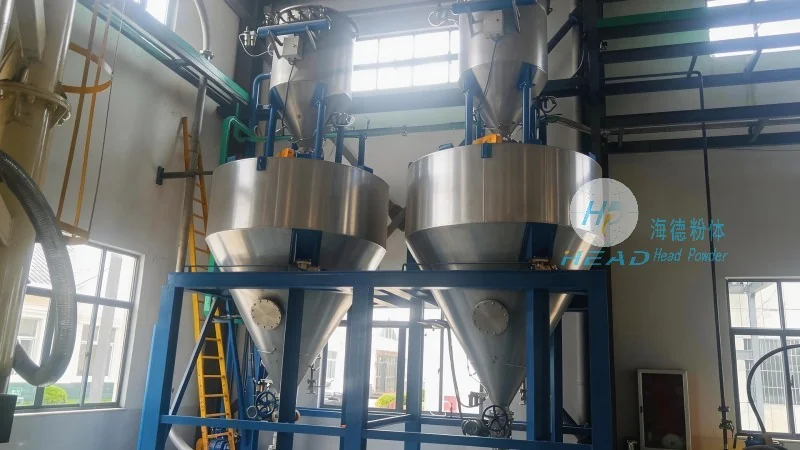
Shandong HeadPowder Engineering Co., Ltd., commonly known as headpowder, is a leading manufacturer and supplier of alumina crystal powder conveying systems and related industrial equipment. The company is headquartered in Shandong, China, and has established itself as a trusted partner in the processing industries that rely on high-purity alumina powders. With years of experience in the field, headpowder specializes in designing and manufacturing customized conveying solutions that meet the specific needs of its clients. The company's products are known for their durability, efficiency, and reliability, making them suitable for a wide range of applications in industries such as ceramics, refractories, and chemical processing. Headpowder's team of engineers and technicians work closely with clients to understand their operational requirements and develop tailored solutions that optimize material flow and reduce downtime. The company adheres to strict quality control standards, ensuring that all products meet or exceed industry specifications. Headpowder's commitment to innovation and customer satisfaction has earned it a reputation as a reliable and professional partner in the alumina processing industry. The company continues to invest in research and development to improve its products and stay ahead of the technological advancements in the field, providing its clients with the best possible solutions for their material handling needs.




