Expanded microspheres, a key material in modern construction and industrial applications, require efficient powder conveying systems to ensure smooth material handling and process optimization. The operation of such systems involves a series of integrated steps and mechanical principles that facilitate the reliable transport of these lightweight, spherical particles. This article delves into the operational workflow and underlying working principles of expanded microspheres powder conveying, providing a comprehensive overview for professionals in the field.
Company Introduction: Shandong HeadPowder Engineering Co., Ltd.
As a leading manufacturer in the powder processing industry, Shandong HeadPowder Engineering Co., Ltd. specializes in the development and application of advanced powder conveying technologies. With a focus on innovation and quality, the company has established itself as a trusted partner for clients seeking efficient solutions for handling expanded microspheres and other fine powders. HeadPowder's expertise lies in designing systems that enhance productivity, reduce operational costs, and ensure compliance with industry standards. The company's headquarters is located in Shandong, China, where its research and development teams continuously strive to improve material handling technologies.
The Core Components of Expanded Microspheres Powder Conveying Systems
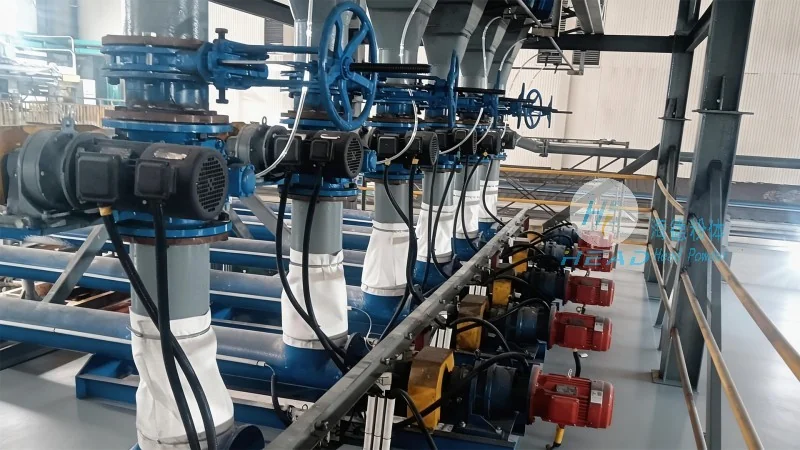
Efficient powder conveying of expanded microspheres relies on a combination of specialized equipment and engineering principles. The primary components of a typical system include feeders, conveying pipes, air or mechanical pumps, and control mechanisms. Each component plays a critical role in the overall operation, ensuring that the microspheres are transported without degradation or loss. Feeders, such as rotary valves or screw feeders, are used to control the flow rate of the material from the storage silo or hopper. These devices maintain a consistent feed rate, preventing overloading or underloading of the conveying system. The conveying pipes, often made of flexible or rigid materials, are designed to handle the lightweight nature of expanded microspheres, minimizing friction and ensuring smooth movement. Air or mechanical pumps provide the necessary force to move the particles through the system, with air systems utilizing compressed air to create a flow of particles in a fluidized state. Control mechanisms, including sensors and valves, monitor the system's performance and adjust parameters in real-time to maintain optimal operation.
The Operating Process: Step-by-Step Workflow
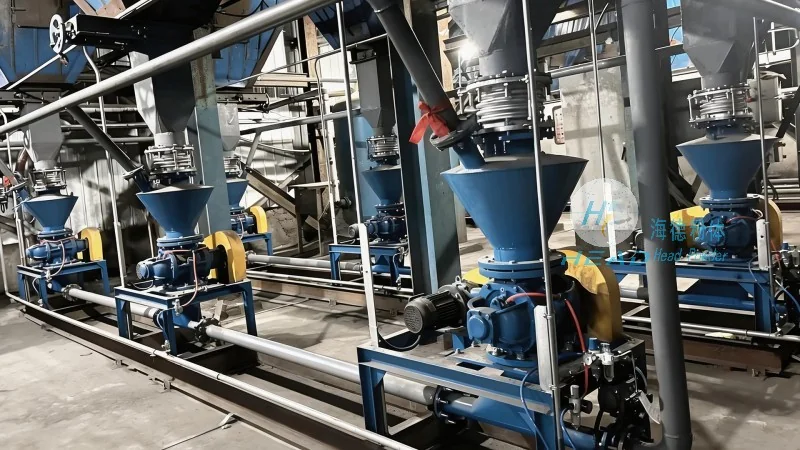
The operation of an expanded microspheres powder conveying system follows a systematic workflow that ensures reliable and continuous material transport. The process begins with the storage of expanded microspheres in a silo or hopper, where the material is held under controlled conditions to prevent moisture absorption or agglomeration. From the storage vessel, the microspheres are fed into a feeder, which regulates the flow rate based on the system's requirements. The feeder then delivers the material into the conveying pipe, where it is transported to the destination point, such as a mixing plant, storage tank, or processing unit. During the conveying process, the system may incorporate features like air classification or vibration to maintain particle size uniformity and prevent blockages. The destination equipment receives the material, and the system's control panel monitors the flow rate, pressure, and other parameters to ensure the process runs smoothly. If any issues arise, such as a blockage or pressure drop, the control system triggers alarms or adjusts the feed rate to restore normal operation. This step-by-step workflow ensures that the expanded microspheres are transported efficiently and safely, minimizing downtime and maximizing productivity.
Working Principles: Mechanical and Fluid Dynamics
The working principles of expanded microspheres powder conveying systems are rooted in mechanical engineering and fluid dynamics. The primary principle is the use of pneumatic or mechanical forces to move the particles through the system. In pneumatic conveying systems, compressed air is used to create a flow of particles in a fluidized state, where the microspheres are suspended and transported along the pipe. The air velocity must be sufficient to overcome the gravitational force acting on the particles and maintain a stable flow. The design of the conveying pipe, including its diameter and length, is critical to ensure that the air velocity remains within optimal ranges, preventing particle deposition or excessive energy consumption. Mechanical conveying systems, such as screw or belt conveyors, rely on mechanical motion to move the particles. These systems are often used for short-distance conveying or when air quality is a concern. The working principle involves the rotation of a screw or the movement of a belt, which pushes the microspheres forward. The mechanical force applied must be sufficient to overcome friction and gravity, ensuring consistent transport. Additionally, the system may incorporate features like vibration or air-assisted mechanisms to improve flow and prevent blockages. The combination of these principles allows for the efficient and reliable transport of expanded microspheres, adapting to various operational conditions and material characteristics.
Advantages of Efficient Expanded Microspheres Powder Conveying
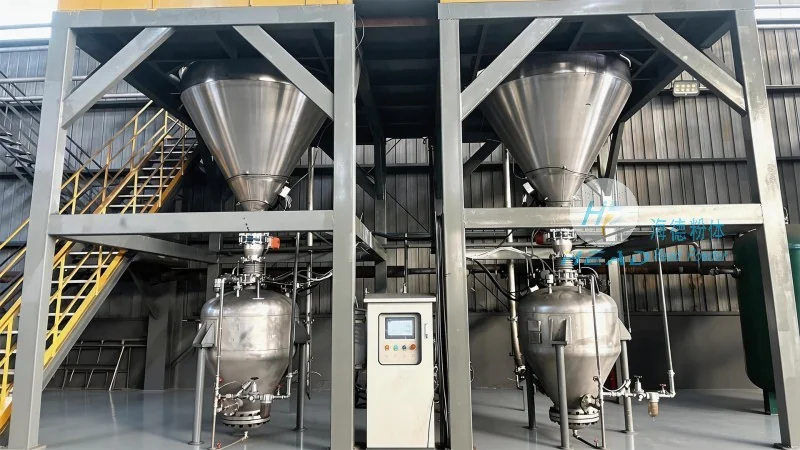
Implementing an efficient powder conveying system for expanded microspheres offers several advantages that enhance operational performance and cost-effectiveness. One of the key benefits is improved productivity, as the system allows for continuous and uninterrupted material transport, reducing downtime and increasing throughput. The consistent flow rate and controlled feed ensure that the processing equipment receives a steady supply of material, optimizing production rates. Another advantage is cost reduction, as efficient systems minimize energy consumption and reduce maintenance requirements. By maintaining optimal air pressure or mechanical force, the system operates with lower energy usage, leading to reduced operational costs. Additionally, efficient conveying systems enhance material quality by preventing degradation, agglomeration, or contamination. The controlled environment and gentle handling of the microspheres preserve their physical properties, ensuring consistent performance in downstream applications. This is particularly important for expanded microspheres, which are used in lightweight concrete, insulation materials, and other products where particle size and uniformity are critical. The reliability of the system also contributes to improved safety, as it reduces the risk of blockages or spills that could lead to accidents or material loss. Overall, efficient expanded microspheres powder conveying systems provide significant benefits in terms of productivity, cost, quality, and safety, making them essential for modern industrial applications.
Conclusion: The Importance of Advanced Powder Conveying Technologies
In conclusion, the operation and working principles of expanded microspheres powder conveying systems are critical to the efficient handling of this lightweight material. The integrated workflow and mechanical principles ensure that the microspheres are transported reliably and safely, supporting the needs of various industrial applications. Shandong HeadPowder Engineering Co., Ltd. plays a vital role in advancing these technologies, providing innovative solutions that enhance productivity and quality. As the demand for expanded microspheres continues to grow in construction and other industries, the importance of efficient powder conveying systems will only increase. By understanding the operational process and underlying principles, professionals can optimize their systems, reduce costs, and improve overall performance. The continued development of advanced conveying technologies will further enhance the capabilities of expanded microspheres, contributing to the advancement of modern industrial processes.




