HeadPowder, the professional brand of Shandong HeadPowder Engineering Co., Ltd., is dedicated to providing high-quality solutions for vinyl ester resin powder conveying. With a focus on precision and efficiency, our company has established itself as a trusted name in the industry, serving clients with reliable and advanced systems tailored to their specific needs. Based in Shandong, China, HeadPowder leverages years of expertise to deliver cutting-edge technology in powder handling, ensuring optimal performance and durability for various industrial applications.
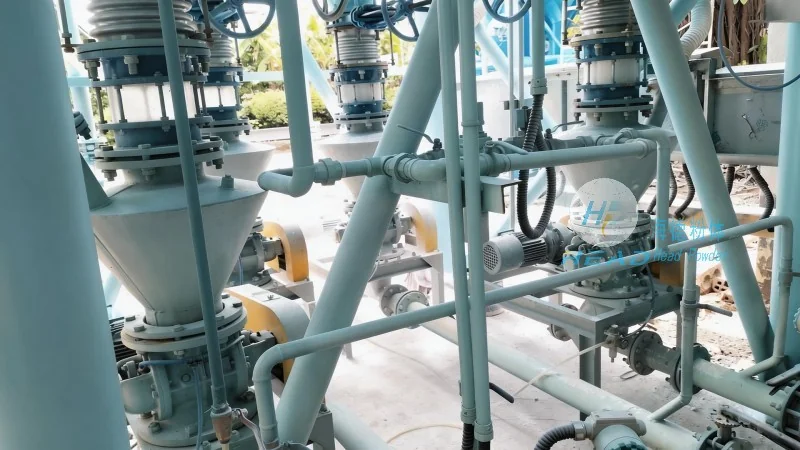
Vinyl Ester Resin Powder Conveying: Understanding Its Operational Process and Working Principle
Vinyl ester resin powder conveying is a critical process in many industrial settings, particularly in the manufacturing of composite materials and other applications where precise handling of resin powders is essential. The process involves the efficient transport of vinyl ester resin powder from storage to processing equipment, ensuring consistent quality and minimal loss. This article delves into the operational process and working principle of vinyl ester resin powder conveying, highlighting the key components and mechanisms that enable smooth and reliable operation.
The Operational Process of Vinyl Ester Resin Powder Conveying
The operational process of vinyl ester resin powder conveying typically involves several stages, each designed to ensure the safe and efficient movement of the resin powder. The first stage is the storage of the vinyl ester resin powder in a hopper or silo, where the material is kept under controlled conditions to prevent moisture absorption and degradation. From the storage hopper, the powder is then transferred to a conveyor system, which may include screw conveyors, pneumatic conveyors, or other types of equipment depending on the specific requirements of the application.
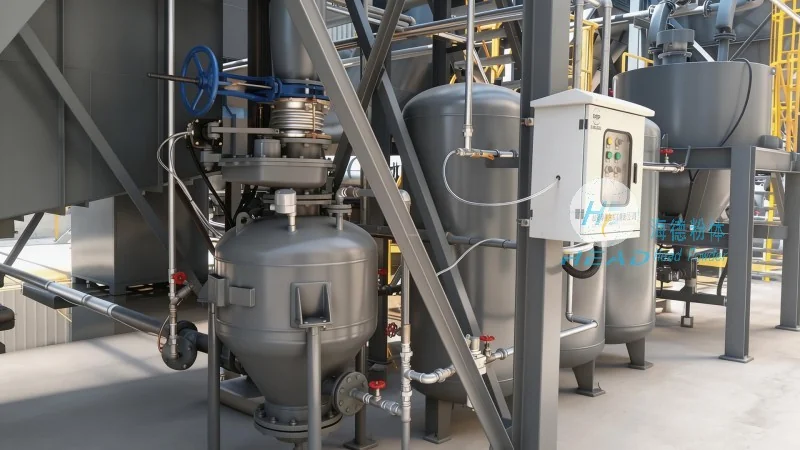
During the transfer process, the conveyor system ensures that the powder moves in a controlled manner, minimizing segregation and ensuring uniform flow. This is crucial for maintaining the quality of the resin powder, as any variations in particle size or moisture content can affect the final product's properties. The conveyor system is often equipped with sensors and controls that monitor the flow rate and pressure, allowing for real-time adjustments to maintain optimal performance.
After the powder is conveyed to the processing equipment, such as mixers or injection molding machines, it is introduced into the production line. The final stage involves the integration of the conveyed powder with other materials or additives, ensuring that the mixture is homogeneous and ready for the next step in the manufacturing process. Throughout this process, the system is designed to minimize downtime and maximize productivity, with regular maintenance and monitoring to ensure long-term reliability.
The Working Principle Behind Vinyl Ester Resin Powder Conveying
The working principle of vinyl ester resin powder conveying relies on the interaction between the resin powder and the conveying equipment. For screw conveyors, the principle involves the rotation of a screw within a tube, which pushes the powder forward through the system. The screw's pitch and diameter are carefully selected to match the characteristics of the vinyl ester resin powder, ensuring efficient transport without causing excessive friction or wear. Pneumatic conveyors, on the other hand, use compressed air to create a flow of air and powder through a pipeline, where the powder is suspended and transported to the destination.
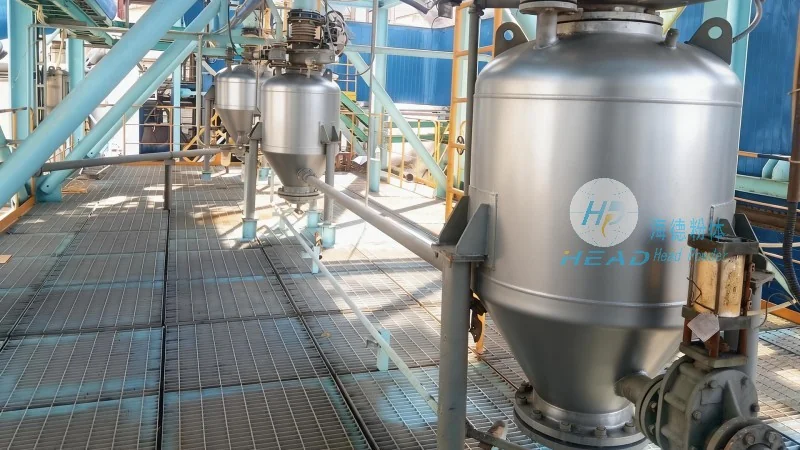
In both cases, the key to effective conveying is maintaining the correct flow rate and pressure. For screw conveyors, the speed of the screw and the angle of the pitch determine the rate at which the powder is moved. For pneumatic systems, the air pressure and the size of the pipeline are critical factors that affect the conveying capacity. Additionally, the design of the hopper and the discharge mechanism plays a vital role in preventing material buildup and ensuring smooth flow from the storage to the conveyor.
The working principle also involves the control of moisture and temperature. Vinyl ester resin powders are sensitive to moisture, which can lead to degradation and reduced performance. Therefore, the conveying system is often equipped with drying mechanisms or enclosed environments to maintain the powder's quality. Temperature control is also important, as excessive heat can cause the resin to cure prematurely or degrade. By maintaining optimal conditions, the system ensures that the powder remains in its desired state throughout the conveying process.
Key Components and Advantages of Vinyl Ester Resin Powder Conveying Systems
Effective vinyl ester resin powder conveying systems rely on several key components that work together to achieve optimal performance. These components include storage hoppers, conveyor mechanisms (such as screw or pneumatic conveyors), control systems, and monitoring equipment. Each component is designed to address specific challenges in the conveying process, such as material handling, flow control, and quality maintenance.
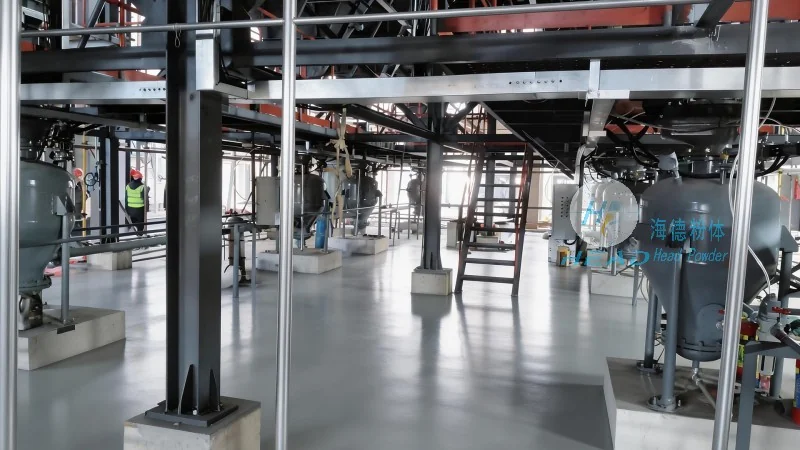
One of the primary advantages of vinyl ester resin powder conveying systems is their ability to handle large volumes of material efficiently. This is particularly important in industrial settings where high production rates are required. The systems are also designed to minimize material loss and contamination, ensuring that the powder remains pure and free from foreign particles. Additionally, the use of enclosed systems helps to prevent dust emissions and maintain a clean working environment, which is essential for both safety and product quality.
Another advantage is the flexibility of the systems, which can be customized to meet the specific needs of different applications. Whether it's a small-scale operation or a large industrial plant, the conveying system can be adjusted to handle varying quantities of resin powder. This adaptability makes the systems suitable for a wide range of industries, including aerospace, marine, and construction, where vinyl ester resins are commonly used in composite manufacturing.




