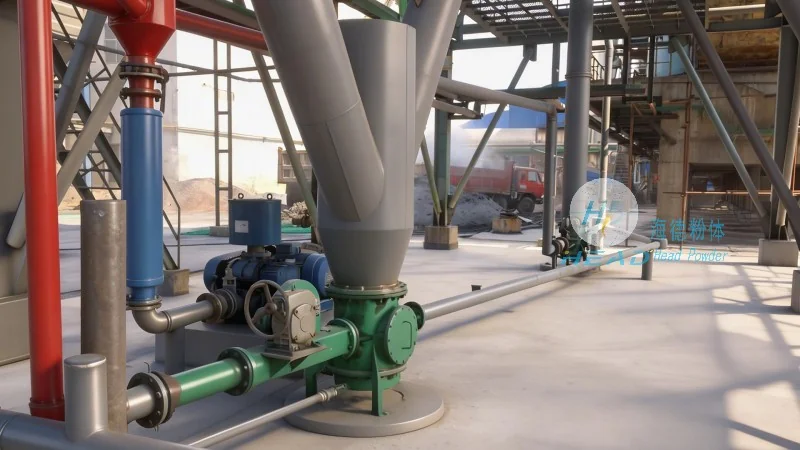
Positive pressure powder conveying lines are advanced industrial systems designed to transport bulk powders efficiently and safely. These systems are widely used in various industries, including pharmaceuticals, food processing, chemical manufacturing, and more, due to their ability to handle a wide range of powder characteristics while maintaining high levels of product integrity and operational safety.
Introduction to Positive Pressure Powder Conveying Systems
At Shandong HeadPowder Engineering Co., Ltd., we specialize in the design, manufacturing, and installation of high-quality positive pressure powder conveying systems. Our expertise lies in creating customized solutions that meet the unique requirements of each client, ensuring optimal performance and reliability. Located in Shandong, China, our company is committed to delivering innovative and efficient powder handling solutions that enhance productivity and reduce operational costs.
Key Components of a Positive Pressure Powder Conveying Line
A typical positive pressure powder conveying line consists of several essential components that work together to achieve efficient material transport. The main components include a powder feeder, a positive pressure blower or fan, a conveying pipe network, a control system, and a dust collection system. Each component plays a critical role in the overall operation of the system.
The powder feeder is responsible for feeding the bulk powder into the conveying line at a controlled rate. This ensures a consistent flow of material, preventing blockages and maintaining system efficiency. The positive pressure blower or fan generates the necessary air pressure to move the powder through the pipes. It is typically equipped with variable speed controls to adjust the airflow and pressure according to the powder characteristics and conveying distance.
The conveying pipe network is made of durable materials such as stainless steel or PTFE-coated pipes, which are resistant to corrosion and abrasion from the powder. The pipes are connected using specialized fittings and valves that allow for easy maintenance and system adjustments. The control system monitors and regulates the operation of the blower, feeder, and other components, ensuring smooth and safe operation. Finally, the dust collection system captures any airborne particles, maintaining a clean and safe working environment.
Operation Process of Positive Pressure Powder Conveying Lines
The operation of a positive pressure powder conveying line involves several sequential steps that ensure efficient and reliable material transport. The process typically begins with the preparation of the powder, which may include drying, screening, or blending to ensure consistent particle size and moisture content. Once the powder is prepared, it is fed into the system using the powder feeder.
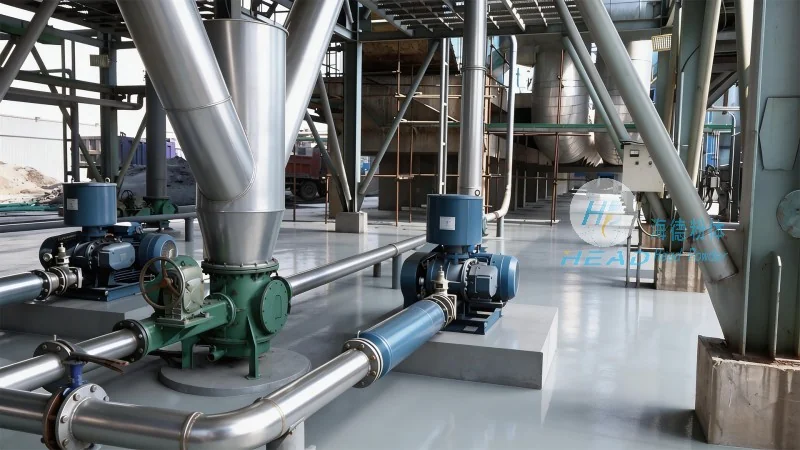
Next, the positive pressure blower generates the required airflow, creating a pressure differential that propels the powder through the conveying pipes. The powder is carried by the air stream as a dilute phase, moving from the inlet to the outlet of the system. The conveying speed and pressure are carefully controlled to prevent particle degradation and ensure the powder reaches its destination without clogging or loss.
During the conveying process, the control system continuously monitors the pressure, airflow, and powder feed rate. Any deviations from the set parameters are automatically adjusted to maintain optimal performance. The system may also include sensors and alarms to detect potential issues such as blockages, pressure drops, or air leaks, allowing for immediate intervention and preventing system downtime.
Upon reaching the destination, the powder is discharged into a storage hopper or processing equipment. The air, now containing some fine particles, is then passed through a dust collection system, which filters out the particles and returns clean air to the system or exhausts it safely. This ensures that the powder is handled in a clean and controlled manner, minimizing the risk of contamination and environmental impact.
Working Principle of Positive Pressure Powder Conveying Systems
The working principle of positive pressure powder conveying systems is based on the concept of creating a positive pressure environment within the conveying pipes. This is achieved by using a blower or fan that supplies compressed air to the system, creating a pressure higher than the ambient air pressure. The pressure differential forces the powder particles to move along with the air stream, allowing for efficient transport over long distances.
Unlike negative pressure systems, which create a vacuum to draw material into the system, positive pressure systems actively push the material forward. This method offers several advantages, including better control over the powder flow, reduced risk of dust inhalation by operators, and the ability to handle abrasive or corrosive powders without damaging the system components.
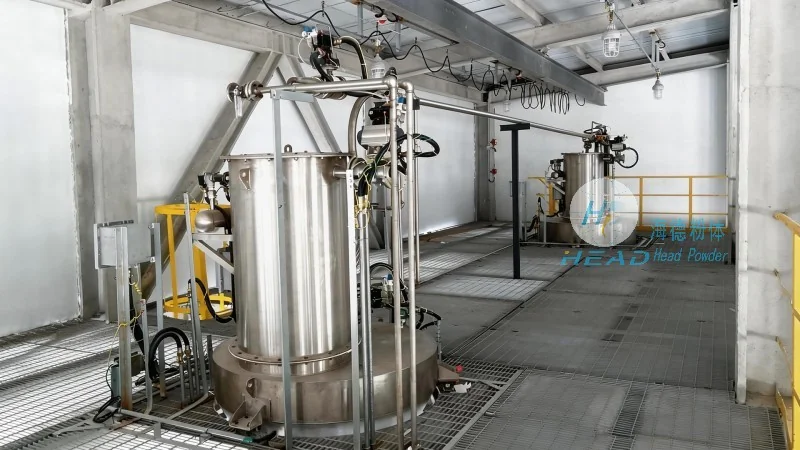
The key to the system's efficiency lies in the balance between the air velocity and the powder concentration. The air velocity must be sufficient to carry the powder particles without causing excessive wear on the pipes or equipment. The powder concentration, or the ratio of powder to air, is also carefully controlled to ensure optimal conveying performance and minimize energy consumption.
Advanced positive pressure conveying systems may incorporate features such as variable speed drives, which allow for real-time adjustment of the airflow and pressure. This flexibility enables the system to handle a wide range of powder types and sizes, from fine powders that require low air velocities to coarse powders that need higher air speeds. Additionally, the use of high-quality materials and components ensures long-term durability and reliability, reducing maintenance costs and increasing the overall return on investment.
Advantages and Applications of Positive Pressure Powder Conveying Lines
Positive pressure powder conveying lines offer numerous advantages over traditional conveying methods, making them the preferred choice for many industries. Some of the key benefits include:
1. **High Efficiency and Capacity**: These systems can transport large volumes of powder over long distances with minimal energy consumption, improving overall operational efficiency.
2. **Excellent Product Integrity**: The positive pressure environment and controlled airflow prevent particle degradation, agglomeration, or contamination, ensuring that the powder maintains its quality and properties throughout the conveying process.
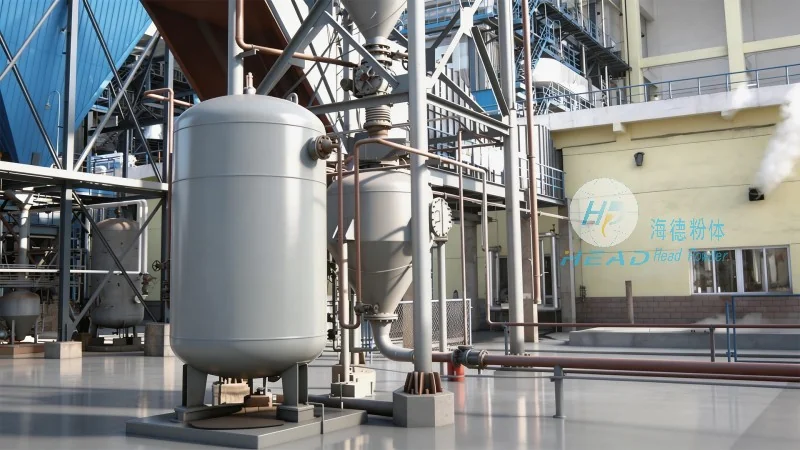
3. **Safe and Clean Operation**: By maintaining a positive pressure, the system prevents dust from escaping into the environment, reducing the risk of inhalation by operators and minimizing the impact on the surrounding area.
4. **Versatility**: Positive pressure conveying systems can handle a wide range of powder characteristics, including fine, coarse, abrasive, and corrosive materials, making them suitable for diverse industrial applications.
5. **Low Maintenance**: The use of durable materials and robust components reduces the need for frequent maintenance, lowering operational costs and increasing system uptime.
These systems are widely used in various industries, including pharmaceutical manufacturing, where product purity is critical; food processing, where hygiene and safety are paramount; chemical manufacturing, where handling hazardous materials requires strict control; and mining and mineral processing, where large volumes of bulk materials need to be transported efficiently.
Conclusion
Positive pressure powder conveying lines are sophisticated industrial systems that play a crucial role in modern powder handling operations. By understanding the operation process and working principle of these systems, industries can optimize their material transport processes, improve product quality, and enhance operational safety. At Shandong HeadPowder Engineering Co., Ltd., we are dedicated to providing high-quality, reliable, and efficient powder conveying solutions that meet the evolving needs of our clients. Our commitment to innovation and customer satisfaction ensures that we remain a leader in the industry, delivering solutions that drive productivity and success.




