Automatic powder conveying lines are sophisticated systems designed to handle the transportation of bulk powders efficiently and safely. These systems are integral to various industrial applications, including pharmaceuticals, food processing, chemical manufacturing, and more. The operation of such lines involves a series of interconnected components that work in harmony to ensure smooth material flow from the source to the destination. Understanding the operation process and working principle is crucial for optimizing performance and maintaining operational efficiency.
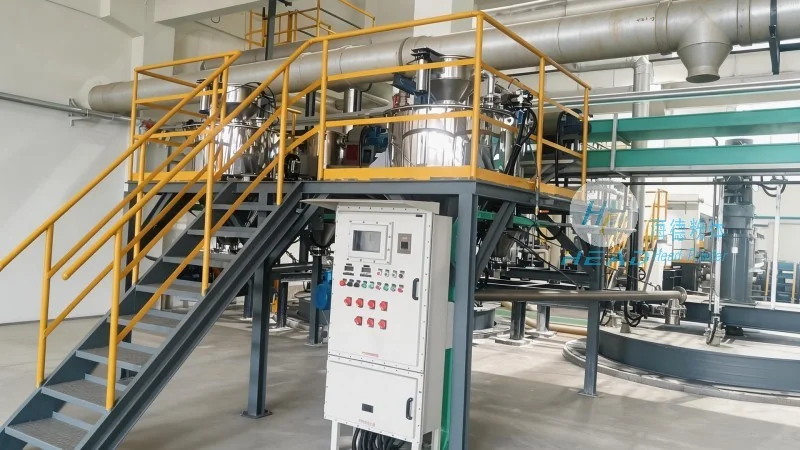
Key Components of an Automatic Powder Conveying Line
At the core of an automatic powder conveying line are several essential components that enable the system to function effectively. These include feeders, conveyors, control systems, and dust collection units. Each component plays a specific role in the overall process. For instance, feeders are responsible for regulating the flow of powder from storage silos or hoppers, ensuring a consistent and controlled feed rate. Conveyors, such as screw conveyors, pneumatic conveyors, or belt conveyors, then transport the powder through the system. Control systems, often integrated with sensors and automation technology, monitor and adjust the operation in real-time to maintain optimal performance. Dust collection units are also critical for maintaining a clean and safe working environment by capturing airborne particles.
The Operation Process of an Automatic Powder Conveying Line
The operation process of an automatic powder conveying line typically begins with the powder being discharged from a storage silo or hopper into a feeder. The feeder then regulates the flow, controlling the amount of powder that enters the conveyor. The conveyor transports the powder through the system, often using a combination of mechanical and pneumatic forces. For example, a screw conveyor uses rotating screws to move the powder, while a pneumatic conveyor uses compressed air to create a flow. The powder may pass through various processing stages, such as mixing, blending, or packaging, before reaching its final destination. Throughout the process, sensors and control systems continuously monitor parameters like flow rate, pressure, and temperature to ensure the system operates within safe and efficient limits. Any deviations are automatically adjusted to maintain consistent performance.
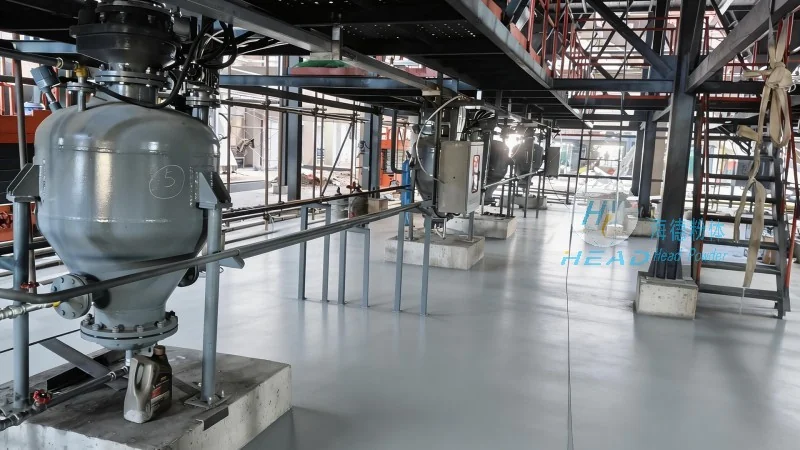
Working Principle of Automatic Powder Conveying Lines
The working principle of an automatic powder conveying line is based on the principles of fluidization and mechanical transport. In many systems, the powder is conveyed using a pneumatic method, where compressed air is used to create a flow that carries the powder particles. This method is particularly effective for handling fine powders that are prone to caking or bridging. The system operates by creating a pressure differential between the inlet and outlet, which drives the powder through the pipeline. The control system manages the air flow and pressure to maintain a stable and consistent flow rate. Alternatively, mechanical conveyors like screw or belt conveyors use mechanical forces to move the powder. These systems are often preferred for bulkier or more abrasive powders that may not be suitable for pneumatic transport. The working principle involves the rotation of screws or the movement of belts to push the powder forward, with the speed and torque of the motor controlling the flow rate.
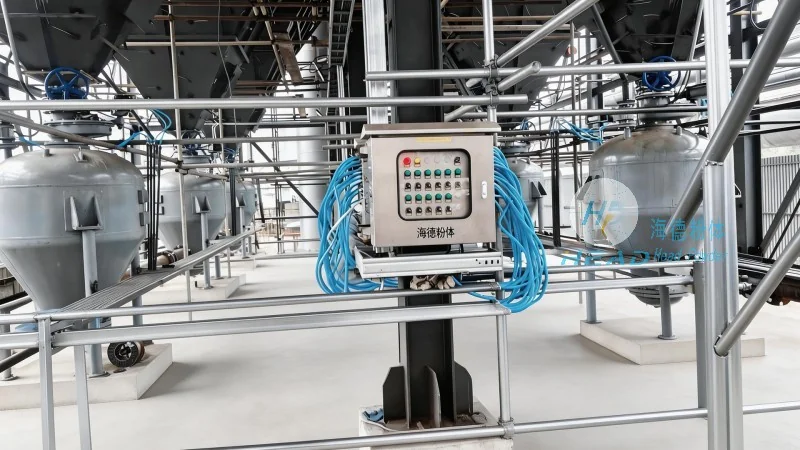
Role of HeadPowder in Designing and Manufacturing Automatic Powder Conveying Lines
Shandong HeadPowder Engineering Co., Ltd., commonly known as HeadPowder, is a leading manufacturer specializing in the design, development, and production of automatic powder conveying lines. With a strong presence in China, particularly in Shandong, HeadPowder leverages advanced engineering and manufacturing capabilities to deliver high-quality solutions tailored to the specific needs of various industries. The company’s expertise lies in understanding the unique challenges of powder handling, such as material variability, flow characteristics, and environmental considerations. By combining innovative design with rigorous testing and quality control, HeadPowder ensures that its conveying lines meet the highest standards of performance, reliability, and safety. The company’s commitment to customer satisfaction and technological advancement has made it a trusted partner for businesses seeking efficient and reliable powder handling solutions.
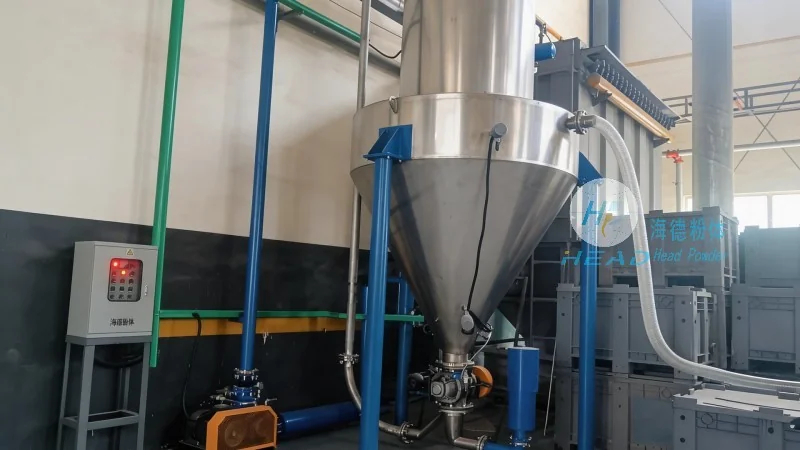
Benefits of Using Automatic Powder Conveying Lines
Implementing an automatic powder conveying line offers numerous benefits for industrial operations. Firstly, these systems enhance operational efficiency by automating the powder handling process, reducing the need for manual labor and minimizing the risk of human error. The consistent flow control ensures that production processes run smoothly, with minimal downtime. Secondly, automatic conveying lines improve safety by reducing exposure to dust and airborne particles, which can be hazardous to workers. The enclosed systems and dust collection units help maintain a clean and safe working environment. Thirdly, these systems offer cost savings through reduced material waste and lower energy consumption. By optimizing the flow and minimizing material loss, businesses can achieve significant cost reductions over time. Additionally, the scalability of automatic powder conveying lines allows for easy expansion as production needs grow, providing long-term value and flexibility.
Conclusion
Automatic powder conveying lines are essential equipment for modern industrial operations, offering efficient, safe, and reliable solutions for handling bulk powders. The operation process and working principle of these systems involve a combination of advanced components and control technologies that work together to ensure optimal performance. Companies like Shandong HeadPowder Engineering Co., Ltd. play a crucial role in designing and manufacturing these systems, providing tailored solutions that meet the specific requirements of various industries. By investing in high-quality automatic powder conveying lines, businesses can enhance their operational efficiency, improve safety, and achieve long-term cost savings, ultimately contributing to their overall success and growth.




