Expanded clay aggregate, commonly known as lightweight aggregate, is widely used in construction, horticulture, and industrial applications due to its lightweight, high strength, and excellent thermal insulation properties. The efficient transportation of these aggregates is crucial for maintaining production efficiency and ensuring product quality. This article provides a detailed overview of the operation process and working principle of modern expanded clay aggregate conveying systems, highlighting key components, operational steps, and technical considerations, as presented by Shandong HeadPowder Engineering Co., Ltd., a leading manufacturer based in Shandong, China.
Key Components of the Conveying System
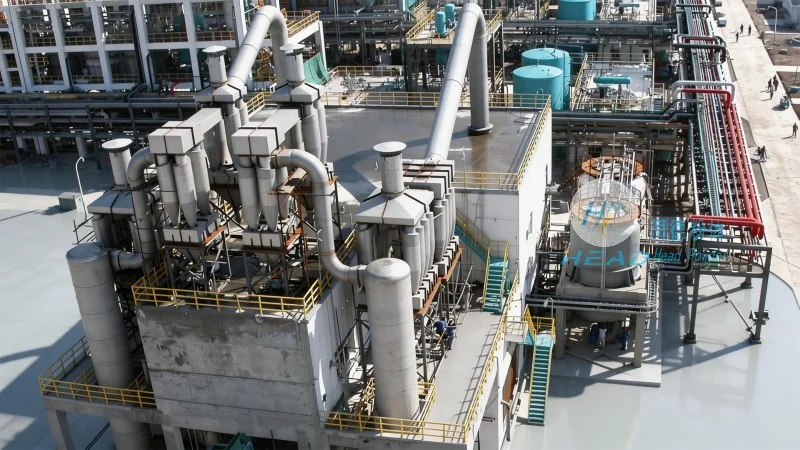
The expanded clay aggregate conveying system typically consists of several essential components that work in tandem to ensure smooth material transport. These components include the hopper for material storage, a conveyor belt or screw conveyor for horizontal and vertical transport, a drive system to power the conveyor, and a control panel for monitoring and adjusting operations. Each component plays a critical role in the overall functionality of the system, and their proper integration is vital for optimal performance.
Operation Process of the Conveying System
The operation process of an expanded clay aggregate conveying system begins with material loading into the hopper. The hopper is designed to hold a sufficient quantity of aggregates, ensuring a continuous feed to the conveyor. Once the material is loaded, the drive system activates, initiating the movement of the conveyor belt or screw. The conveyor then transports the aggregates from the hopper to the discharge point, which may be a storage silo, processing unit, or packaging area. The control panel allows operators to monitor the system's performance, adjust the speed of the conveyor, and manage the flow of material to prevent overloading or blockages.
Working Principle of the Conveying System
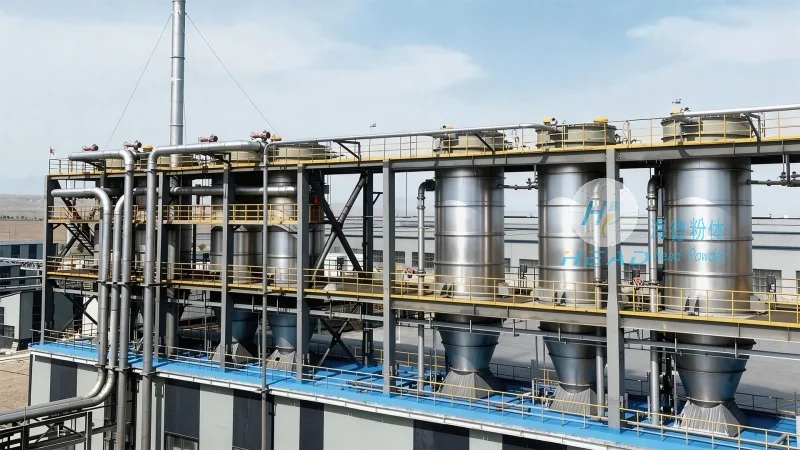
The working principle of the expanded clay aggregate conveying system is based on mechanical energy transfer and material handling technology. The drive system, usually an electric motor, provides the necessary power to move the conveyor components. In a belt conveyor system, the motor drives a pulley, which in turn moves the belt along the frame. The aggregates are placed on the belt and are carried forward by the belt's movement. In a screw conveyor system, the motor rotates a screw, which pushes the material forward through the screw's flights. Both systems rely on gravity and the mechanical action of the conveyor to transport the aggregates efficiently. The system's design ensures minimal material degradation and loss, maintaining the quality of the expanded clay aggregates throughout the transport process.
Technical Considerations for Efficient Operation
Several technical factors must be considered to ensure the efficient and reliable operation of expanded clay aggregate conveying systems. Material characteristics, such as particle size, moisture content, and bulk density, significantly impact the system's performance. Larger or wetter aggregates may require adjustments to the conveyor speed or the design of the hopper and discharge chute to prevent blockages. Regular maintenance of the drive system, conveyor belts, and bearings is essential to minimize downtime and extend the system's lifespan. Additionally, proper sealing and dust control measures are important to maintain a clean and safe working environment, especially in industrial settings where expanded clay aggregates are used.
Applications and Benefits of the Conveying System
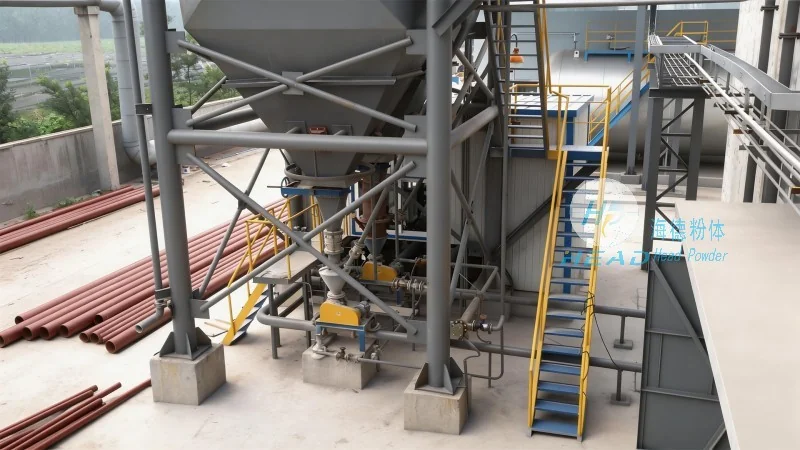
Expanded clay aggregate conveying systems are used in various applications across different industries. In the construction industry, these systems are used to transport aggregates for concrete production, lightweight concrete blocks, and insulation materials. In horticulture, they are used to move aggregates for soil mixes and garden applications. The benefits of using such systems include increased production efficiency, reduced labor costs, and improved product quality due to the consistent and controlled transport of aggregates. The systems also contribute to better workplace safety by minimizing manual handling of heavy materials.
Conclusion
Understanding the operation process and working principle of expanded clay aggregate conveying systems is essential for optimizing material handling in various industries. By leveraging modern technology and proper system design, companies can enhance their production capabilities and ensure the consistent delivery of high-quality expanded clay aggregates. The integration of advanced control systems and regular maintenance further improves the reliability and efficiency of these systems, making them a valuable asset for any operation that relies on the transportation of lightweight aggregates.




