When it comes to efficiently transporting bulk powders and granular materials, the choice of conveying system can significantly impact operational efficiency, product quality, and overall process reliability. Among the various technologies available, dense phase powder conveying systems have emerged as a preferred solution for many industries due to their ability to handle challenging materials with minimal degradation and high transfer rates. This article aims to explore what a dense phase powder conveying system is and delve into the core design principles that underpin its functionality.
Introduction to Dense Phase Powder Conveying Systems
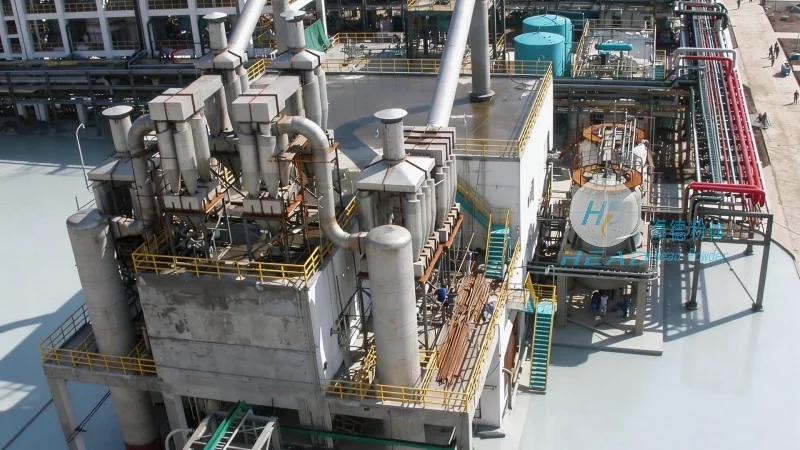
A dense phase powder conveying system, also known as a dense phase pneumatic conveying system, is a method of transporting solid particles through a pipeline using a combination of air and pressure. Unlike traditional dilute phase systems that rely on high air velocities to move materials, dense phase systems operate at lower air velocities and higher pressure differentials. This approach results in a "plug flow" of material, where the particles move in discrete, compacted segments rather than a suspended cloud. The key advantage of this method is its ability to handle abrasive, sticky, or fragile materials without causing excessive wear, breakage, or degradation.
About HeadPowder: A Leading Provider of Powder Handling Solutions
HeadPowder, or Shandong HeadPowder Engineering Co., Ltd., is a reputable company based in Shandong, China, specializing in the design, manufacturing, and installation of advanced powder handling equipment. With a strong commitment to innovation and customer satisfaction, HeadPowder has established itself as a trusted partner for industries that require reliable and efficient bulk material transport solutions. The company's expertise spans a wide range of applications, from pharmaceuticals and food processing to chemical and mining sectors, ensuring that their solutions are tailored to meet the specific needs of each client.
Understanding the Core Design Principles of Dense Phase Powder Conveying
The design of a dense phase powder conveying system is governed by several critical principles that ensure optimal performance and material handling. These principles include pressure control, air-to-material ratio, and system configuration. Each of these elements plays a vital role in determining the system's efficiency, capacity, and suitability for different material types.
1. Pressure Control: The Foundation of Dense Phase Conveying
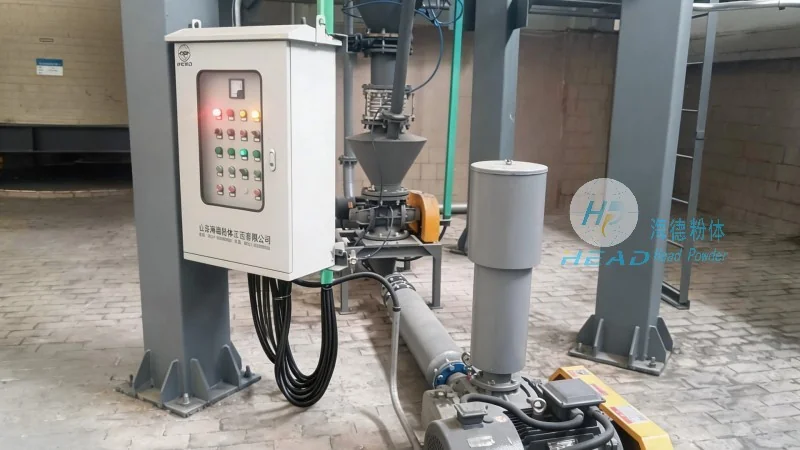
Pressure is the primary driving force in a dense phase system. The system operates by creating a pressure differential between the inlet and outlet of the pipeline. This pressure is typically generated by a positive displacement blower or a rotary lobe pump, which compresses air and forces it through the pipeline along with the material. The pressure level is carefully controlled to maintain a stable flow of material without causing excessive wear on the system components. Proper pressure control is essential to prevent material blockages, ensure consistent flow rates, and minimize energy consumption.
2. Air-to-Material Ratio: Balancing Flow and Efficiency
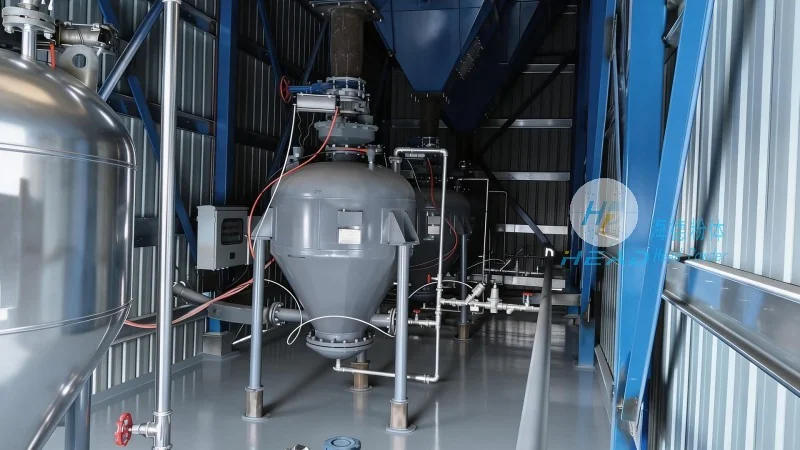
The air-to-material ratio, often referred to as the "air-to-solids ratio," is a critical parameter that determines the system's conveying capacity and efficiency. In dense phase systems, this ratio is typically much lower than in dilute phase systems. The goal is to achieve a plug flow of material, where the particles are densely packed and move as a solid plug rather than being suspended in air. By carefully adjusting the air flow rate relative to the material feed rate, the system can maintain a stable, continuous flow without causing the material to degrade or the system to experience excessive pressure drops.
3. System Configuration: Pipeline Layout and Components
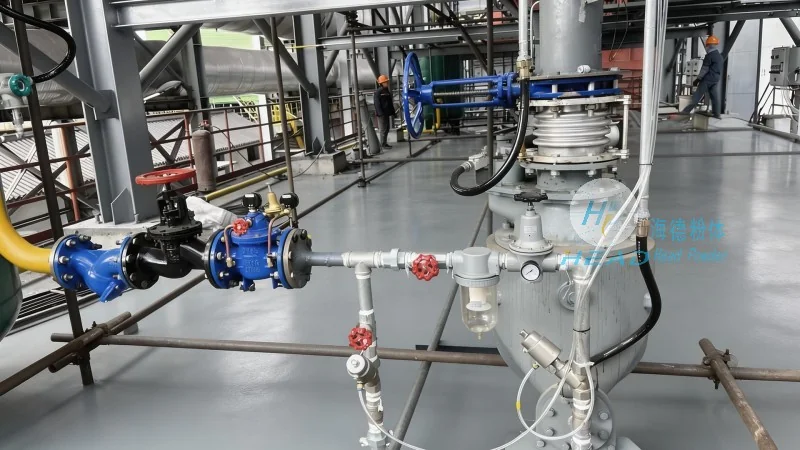
The physical layout of the dense phase conveying system, including the pipeline design, bends, and accessories, is another key design consideration. The system typically consists of a feed hopper, a positive displacement pump or blower, a pipeline network, and a receiving hopper. The pipeline is usually made of materials such as stainless steel or PVC to withstand the pressure and prevent material contamination. The inclusion of components like check valves, flow control devices, and pressure relief valves ensures the system operates safely and efficiently. The configuration of the pipeline, including the number and angle of bends, also affects the pressure drop and overall conveying efficiency, requiring careful engineering to minimize energy losses.
Advantages of Dense Phase Powder Conveying Systems
Implementing a dense phase powder conveying system offers several advantages over traditional methods. These include the ability to handle a wide range of materials, including those that are abrasive, sticky, or fragile, without causing damage. The system also provides a more hygienic and dust-free operation, which is particularly important in industries such as food and pharmaceuticals. Additionally, dense phase systems can achieve high conveying rates with lower air consumption, resulting in energy savings and reduced operational costs. The plug flow design also allows for better control over the material's temperature and moisture content, which is crucial for sensitive products.
Applications and Industries Benefiting from Dense Phase Conveying
Dense phase powder conveying systems are widely used across various industries due to their versatility and effectiveness. In the pharmaceutical industry, these systems are used to transport active pharmaceutical ingredients (APIs) and excipients with high precision and minimal contamination. The food and beverage sector utilizes dense phase systems to handle powders like sugar, flour, and spices, ensuring product quality and safety. The chemical industry benefits from the ability to transport abrasive and corrosive materials without system degradation. Mining and mineral processing also rely on dense phase conveying for the transport of ores and concentrates, improving overall plant efficiency.
Conclusion: The Role of Design Principles in Optimizing Dense Phase Conveying
In conclusion, a dense phase powder conveying system is a sophisticated and effective solution for bulk material transport, particularly for challenging materials. The design principles, including pressure control, air-to-material ratio, and system configuration, are crucial in ensuring the system operates efficiently and reliably. Companies like Shandong HeadPowder Engineering Co., Ltd. play a vital role in providing tailored solutions that meet the specific needs of different industries, helping to enhance operational performance and product quality. By understanding and applying these design principles, industries can achieve improved productivity, reduced costs, and enhanced safety in their material handling processes.




