For industrial applications involving the handling and transportation of lithium manganese oxide (LMO) materials, an efficient material handling system is crucial. This article provides a detailed overview of the operation process and working principles of a specialized material handling system designed for LMO, highlighting key components, operational procedures, and the technological advantages it offers.
Introduction to Lithium Manganese Oxide Material Handling Systems
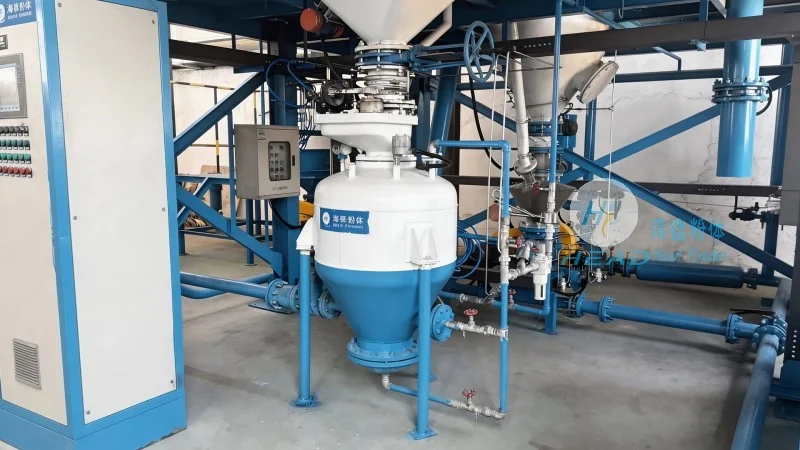
Lithium manganese oxide (LMO) is a critical component in lithium-ion battery production, known for its stability and performance characteristics. The material handling system for LMO must be designed to ensure safe, reliable, and efficient transport of this sensitive material from storage to processing units. The system typically integrates various equipment such as conveyors, feeders, and storage silos to manage the flow of LMO powder or granules. Headpowder, a leading manufacturer in material handling solutions, has developed advanced systems tailored to meet the specific demands of LMO handling in battery manufacturing facilities.
Key Components of the Material Handling System
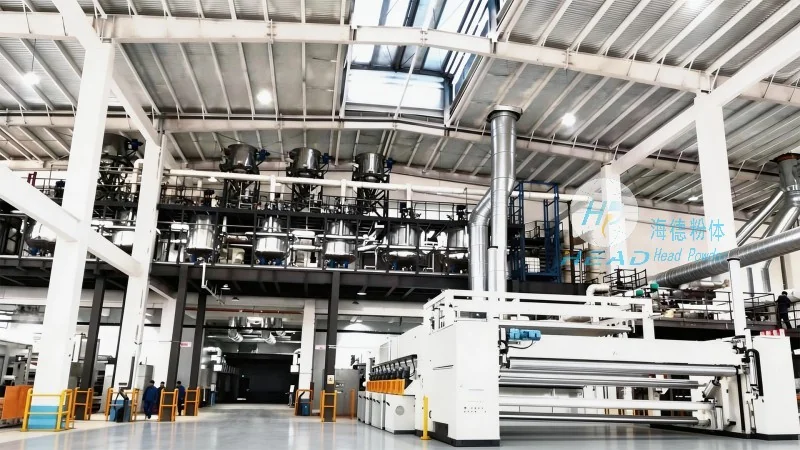
The material handling system for LMO consists of several interconnected components that work in tandem to ensure smooth operation. These components include bulk material storage silos, which are used to store large quantities of LMO material, often equipped with aeration systems to prevent caking and maintain material flowability. From the silos, a feeder system, such as a rotary valve or a screw conveyor, regulates the flow of LMO into the conveying line. The conveying system itself may utilize pneumatic or mechanical methods, with pneumatic conveying being common for fine powders like LMO due to its ability to handle dust and minimize contamination. The system also includes control panels and sensors that monitor pressure, flow rate, and material level, ensuring real-time adjustments and preventing system failures.
Operation Process of the Material Handling System
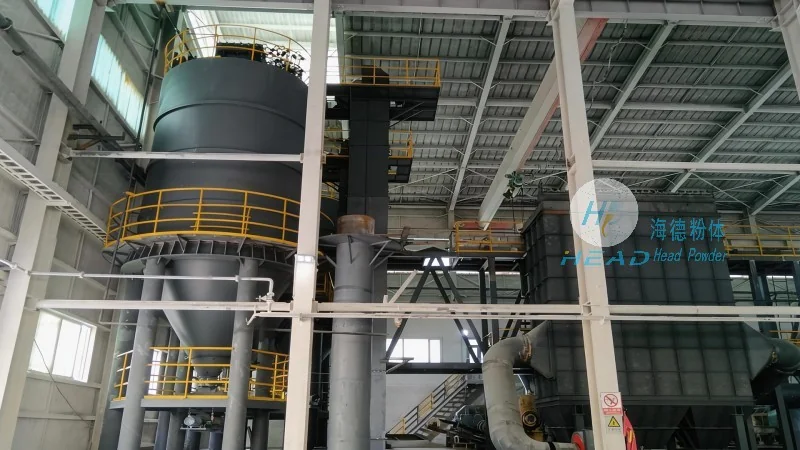
The operation process of the LMO material handling system begins with the loading of raw LMO material into the storage silos. The material is then transferred from the silos to the feeder through a hopper, which may include a pre-screening or de-dusting mechanism to remove any foreign particles. The feeder controls the discharge rate of LMO into the conveying line, ensuring a consistent flow that matches the processing requirements of downstream equipment. The conveying line transports the LMO material to the processing area, where it is delivered to the battery cell formation or coating machinery. The system is equipped with safety features such as dust collection systems and explosion-proof designs, which are essential for handling flammable or reactive materials like LMO. The entire process is automated and monitored through a central control system, allowing operators to adjust parameters and troubleshoot issues remotely.
Working Principles and Technological Advantages
The working principles of the LMO material handling system are based on principles of fluidization and pneumatic transport, which are optimized for fine powders. The system uses low-pressure air to move LMO particles through the conveying line, minimizing friction and preventing material degradation. The design of the silos and feeders ensures that the material remains in a fluidized state, preventing clogging and ensuring consistent flow. The use of advanced control systems allows for precise regulation of flow rates, which is critical for maintaining the quality and consistency of the final battery products. Headpowder's systems also incorporate features such as material mixing and blending capabilities, enabling the production of customized LMO formulations for different battery applications. The system's durability and low maintenance requirements make it a cost-effective solution for long-term operation in battery manufacturing plants.
Conclusion and Application
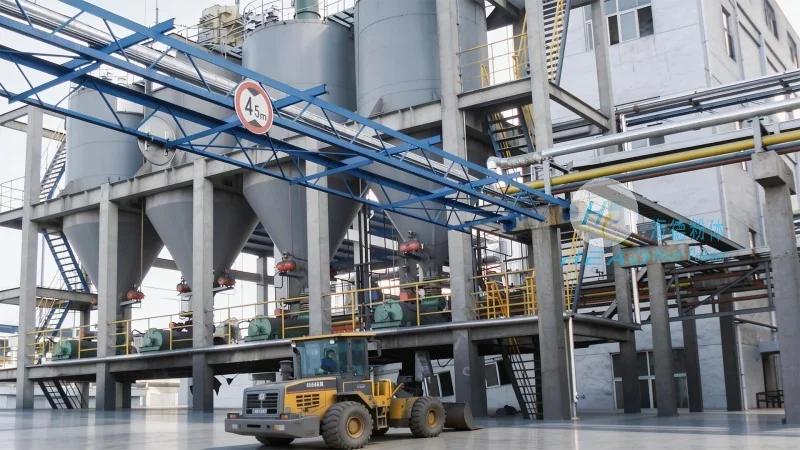
In conclusion, the operation process and working principles of the lithium manganese oxide material handling system developed by Shandong HeadPowder Engineering Co., Ltd. represent a sophisticated solution for the efficient and safe handling of LMO materials in lithium-ion battery production. By integrating advanced components and automation, the system ensures high throughput, minimal material loss, and consistent product quality. The technological advantages of this system, including its ability to handle fine powders and provide real-time monitoring, make it an essential asset for modern battery manufacturing facilities. As the demand for lithium-ion batteries continues to grow, the reliability and efficiency of material handling systems like this will be critical to meeting production targets and maintaining competitive advantages in the industry.




