Graphene material handling systems represent a sophisticated solution designed to efficiently transport and manage graphene-based materials. These systems are engineered to meet the precise demands of industrial applications, ensuring optimal performance and reliability in material processing. The operation of such systems involves a series of integrated components and processes that work in tandem to facilitate smooth material movement and handling.
Overview of Graphene Material Handling Systems
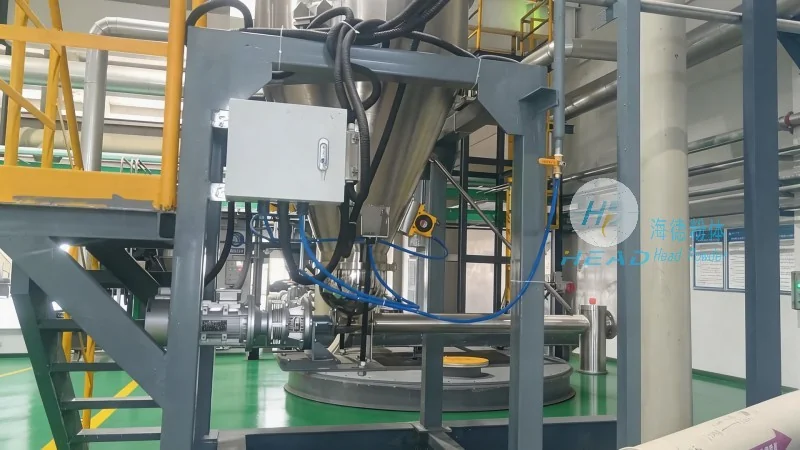
Graphene material handling systems are specialized equipment designed to handle, transport, and store graphene materials. These systems are crucial in industries where graphene is used as a key component in various products, such as electronics, composites, and energy storage devices. The design of these systems focuses on maintaining the integrity of graphene, which is often sensitive to environmental factors like moisture and contamination. By incorporating advanced materials and engineering techniques, the systems ensure that graphene remains in its optimal state throughout the handling process.
Key Components and Their Roles
The core components of a graphene material handling system typically include conveyor belts, feeding mechanisms, storage containers, and control units. Each component plays a vital role in the overall operation. Conveyor belts are used to move graphene materials from one location to another with minimal friction and disturbance. Feeding mechanisms, such as hoppers or feeders, ensure a consistent and controlled flow of material into the system. Storage containers are designed to protect graphene from external factors, maintaining its quality and preventing degradation. Control units manage the entire process, monitoring parameters like temperature, humidity, and material flow to ensure optimal conditions.
Operation Process of the System
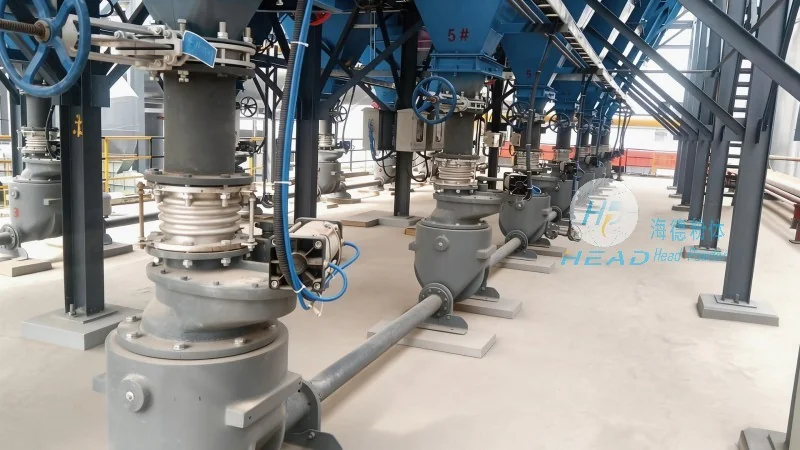
The operation of a graphene material handling system begins with the intake of raw graphene materials. The materials are first fed into a hopper or feeder, where they are evenly distributed and prepared for transport. From there, the material moves along the conveyor belts, which are often equipped with specialized surfaces to minimize friction and prevent material damage. As the material travels, it may pass through additional processing stages, such as cleaning or sorting, to ensure it meets the required specifications. The system then transports the processed graphene to the storage or packaging area, where it is stored in sealed containers to maintain its quality.
Working Principle of the System
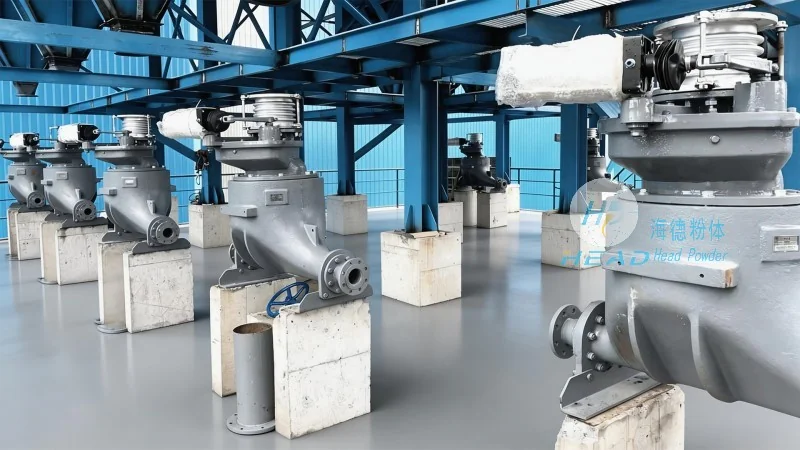
The working principle of a graphene material handling system is based on mechanical and automated processes that ensure efficient material movement. The system utilizes gravity and mechanical force to move materials along the conveyor belts. Sensors and control systems monitor the flow rate and position of the material, adjusting the operation as needed to maintain consistency. The entire process is designed to be seamless, with minimal human intervention required. This automation not only enhances efficiency but also reduces the risk of human error, ensuring that the graphene is handled with the utmost care and precision.
Company Information: Shandong HeadPowder Engineering Co., Ltd.
HeadPowder, a leading manufacturer in the field of material handling systems, specializes in providing customized solutions for graphene and other advanced materials. With a strong commitment to quality and innovation, the company has developed state-of-the-art systems that meet the highest industry standards. HeadPowder's systems are designed to be durable, efficient, and user-friendly, catering to the diverse needs of clients in various industries. The company's headquarters is located in Shandong, China, where it operates a modern manufacturing facility equipped with advanced technology and skilled personnel.




