Shandong HeadPowder Engineering Co., Ltd., a professional manufacturer based in Shandong, China, specializes in providing high-quality material conveying solutions for industrial applications, particularly in the field of desulfurization and denitrification processes. The company’s expertise lies in designing and manufacturing efficient systems for transporting bulk materials such as limestone, activated carbon, and other reagents used in flue gas treatment. These systems are crucial for ensuring the smooth operation of emission control equipment in power plants, chemical factories, and other industrial facilities.
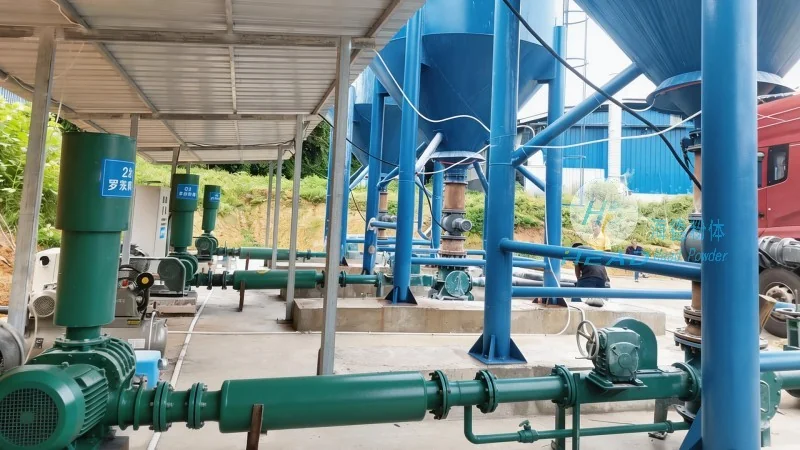
The Role of Material Conveying Lines in Desulfurization and Denitrification
The desulfurization and denitrification agent material conveying line serves as a vital link between material storage and the reaction or absorption towers. In flue gas treatment, these processes rely on the continuous supply of reagents to neutralize harmful pollutants like sulfur dioxide (SO2) and nitrogen oxides (NOx). The conveying line’s primary function is to transport these bulk materials from storage silos or hoppers to the treatment units at a controlled rate, ensuring that the treatment process operates efficiently without interruptions. The reliability of the conveying system directly impacts the overall performance and effectiveness of the emission control system.
Operation Process of the Desulfurization and Denitrification Agent Material Conveying Line
The operation of the material conveying line typically follows a systematic sequence of steps. Initially, raw materials are loaded into a storage silo or hopper, where they are stored under controlled conditions to prevent degradation or moisture absorption. From the storage area, a feeder or gate mechanism regulates the material flow into the conveyor system. The conveyor, which may be a belt conveyor, screw conveyor, or bucket elevator, then transports the material along the designated path. The system is equipped with sensors and control valves to monitor and adjust the flow rate, ensuring consistent material delivery to the treatment unit. The entire process is often automated, with a programmable logic controller (PLC) managing the operation based on real-time data from sensors. This automation helps maintain optimal material levels, prevents overfilling or underfilling, and ensures the treatment process runs smoothly.
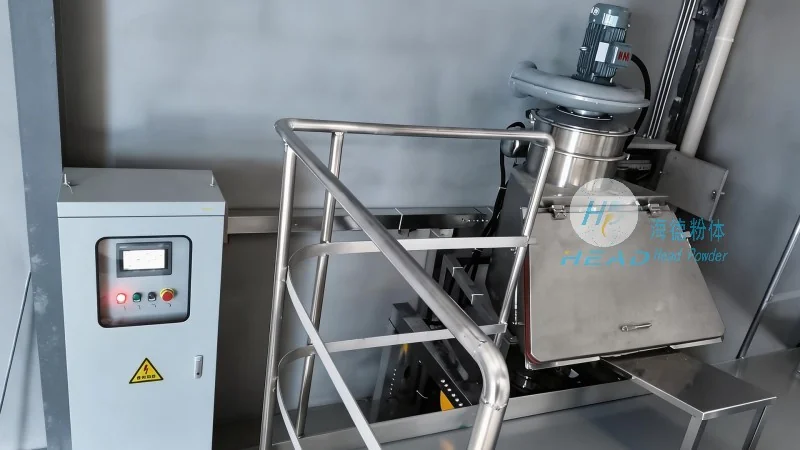
Working Principle of the Conveying Line
The working principle of the desulfurization and denitrification agent material conveying line is based on mechanical energy transfer. For belt conveyors, a motor-driven pulley system provides the necessary force to move the belt, which carries the material along the path. The belt is typically made of durable materials like rubber or synthetic fabrics, designed to handle the weight and abrasiveness of bulk materials. The screw conveyor, another common type, uses a rotating screw to push the material forward. The screw’s helical design creates a continuous flow, ensuring that the material is transported efficiently without segregation or blockages. Both systems rely on the principle of gravity and mechanical force to move the material from the source to the destination. The design of the conveying line considers factors such as the material’s particle size, moisture content, and bulk density to optimize the conveying speed and prevent material degradation or spillage.
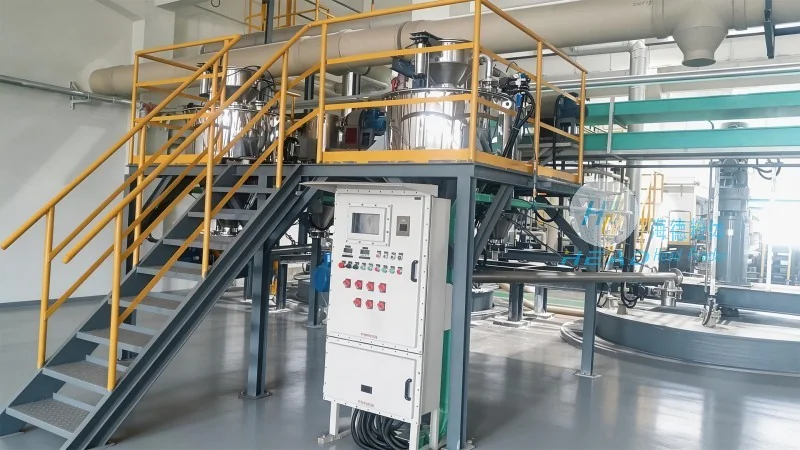
Key Components and Their Functions
The desulfurization and denitrification agent material conveying line consists of several key components, each playing a critical role in the overall operation. The storage silo or hopper is the first component, where raw materials are stored. It is designed to accommodate large volumes of material and maintain consistent material levels. The feeder or gate mechanism controls the flow of material from the storage area to the conveyor. This component ensures that the material is released at a controlled rate, preventing overloading of the conveyor. The conveyor itself, whether a belt or screw type, is the core of the system, responsible for transporting the material. The control system, including sensors and a PLC, monitors the operation and adjusts parameters as needed. Additionally, the system may include components like dust collectors or enclosures to prevent dust emissions and ensure environmental compliance.
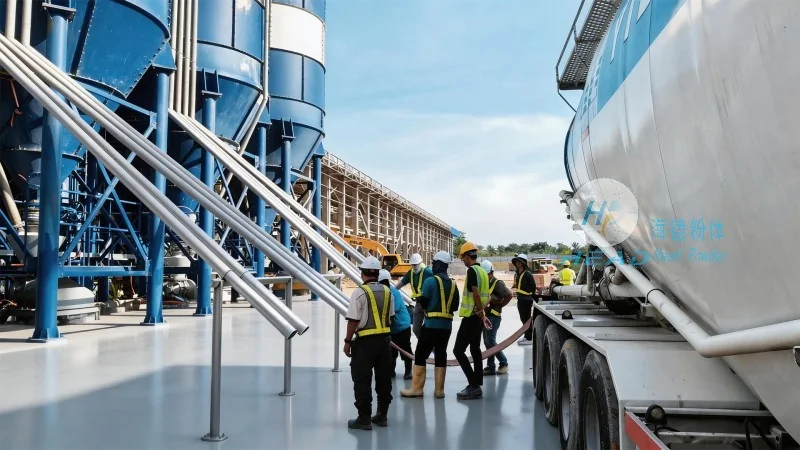
Advantages of the Material Conveying Line
Implementing a desulfurization and denitrification agent material conveying line offers several advantages for industrial facilities. First, it enhances operational efficiency by ensuring a continuous and reliable supply of reagents to the treatment units. This reduces downtime and improves the overall performance of the emission control system. Second, the automated control system minimizes human intervention, reducing the risk of errors and improving safety. Third, the system is designed to handle bulk materials efficiently, reducing labor costs and increasing productivity. Finally, the reliable operation of the conveying line contributes to the environmental compliance of the facility, as it ensures that the treatment process operates continuously and effectively.
Conclusion
Shandong HeadPowder Engineering Co., Ltd. provides high-quality desulfurization and denitrification agent material conveying lines that are essential for modern industrial facilities. These systems are designed to operate efficiently, reliably, and safely, ensuring the smooth operation of flue gas treatment processes. By leveraging advanced technology and robust design, the company’s material conveying solutions help industrial facilities meet emission control standards while optimizing operational performance. The continuous supply of reagents through these systems is critical for maintaining the effectiveness of desulfurization and denitrification processes, making the material conveying line a vital component in industrial emission control.




