Thermoplastic polyurethane (TPU) material conveying lines are sophisticated systems designed to handle the transportation of TPU materials efficiently and reliably. These lines are integral to various industrial applications, particularly in manufacturing processes where TPU is used as a key material. The design and operation of such lines are critical for ensuring consistent material flow, maintaining product quality, and optimizing production efficiency. This article provides an in-depth look at the operation process and working principles of TPU material conveying lines, highlighting the key components, operational steps, and technical aspects that contribute to their functionality. Developed by Shandong HeadPowder Engineering Co., Ltd., a leading manufacturer in material handling solutions, these systems are engineered to meet the demanding requirements of modern industrial production.
Key Components of a TPU Material Conveying Line
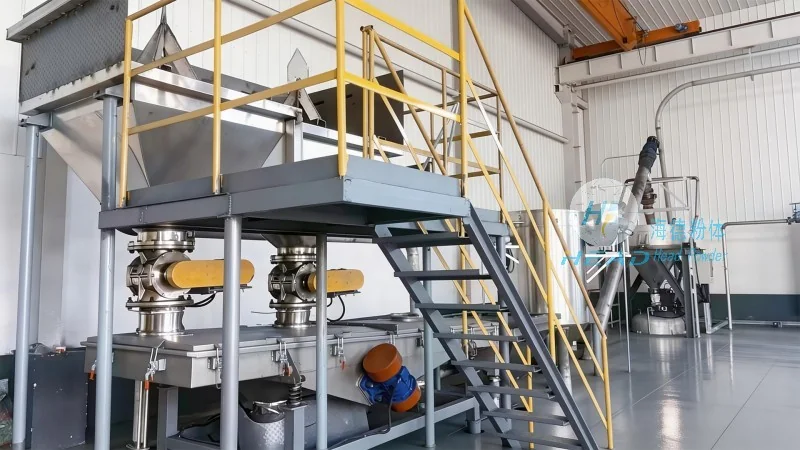
The effectiveness of a TPU material conveying line relies on its well-designed components, each serving a specific function to facilitate smooth material handling. The primary components typically include: feeders, conveyors (such as belt conveyors or screw conveyors), storage hoppers, and control systems. Feeders are responsible for uniformly distributing the TPU material into the conveyor system, ensuring a consistent flow rate. Conveyors transport the material through the line, often using mechanical or pneumatic mechanisms to move it from one stage to the next. Storage hoppers provide temporary storage, allowing for buffer capacity and preventing interruptions in the production process. Control systems, including sensors and programmable logic controllers (PLCs), monitor and regulate the operation of the entire line, adjusting parameters as needed to maintain optimal performance. Such advanced control mechanisms are a hallmark of products from Shandong HeadPowder Engineering Co., Ltd., ensuring that the TPU material is handled safely and efficiently, minimizing downtime and maximizing productivity.
Operation Process of a TPU Material Conveying Line
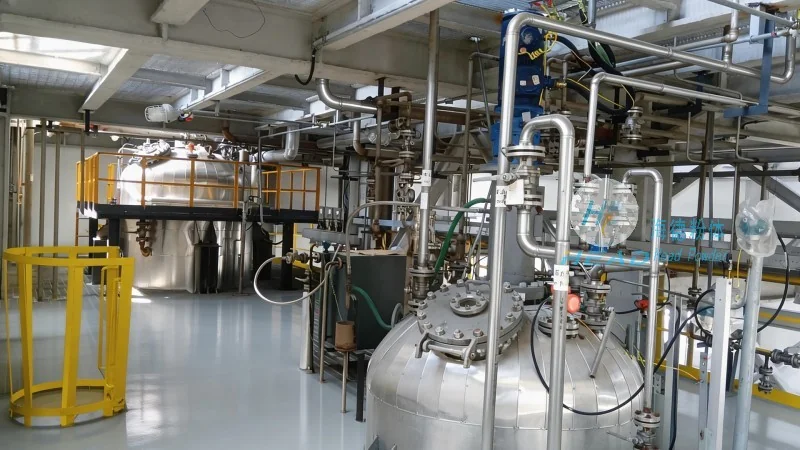
The operation of a TPU material conveying line follows a systematic sequence of steps to ensure the material is processed from input to output. The process begins with the loading of TPU material into the storage hopper. The feeder then activates, gradually releasing the material into the conveyor system. As the material moves through the conveyor, it is transported to the next processing stage, such as a drying or mixing unit. The control system continuously monitors the flow rate and pressure, adjusting the feeder speed or conveyor speed as required to maintain a stable operation. At the end of the line, the processed TPU material is discharged into a collection bin or directly to the next production step. This sequential operation ensures that the material is handled safely and efficiently, minimizing downtime and maximizing productivity. The modular design of these lines, as offered by Shandong HeadPowder Engineering Co., Ltd., allows for easy integration with other production equipment, enhancing overall system flexibility.
Working Principles of TPU Material Conveying Lines
The working principles of TPU material conveying lines are based on mechanical and pneumatic systems that work in harmony to move the material. The primary mechanism involves the use of conveyors, which can be either belt-driven or screw-driven, depending on the material characteristics and application requirements. Belt conveyors are commonly used for bulk materials, as they can handle a wide range of particle sizes and provide a smooth, continuous flow. Screw conveyors, on the other hand, are ideal for granular or powdery materials, as they can transport material vertically or horizontally with minimal spillage. The control system plays a crucial role in regulating the speed and direction of the conveyors, ensuring that the material moves at the appropriate rate to prevent clogging or overloading. Sensors are integrated into the system to detect any blockages or abnormalities, triggering alarms or automatic shutdowns to prevent damage to the equipment or material. This integrated approach ensures that the TPU material is conveyed safely and effectively, adhering to industry standards and maintaining product integrity. The use of high-quality materials and precision engineering in the construction of these lines, as exemplified by Shandong HeadPowder Engineering Co., Ltd., contributes to their long-term reliability and performance.
Benefits and Applications of TPU Material Conveying Lines
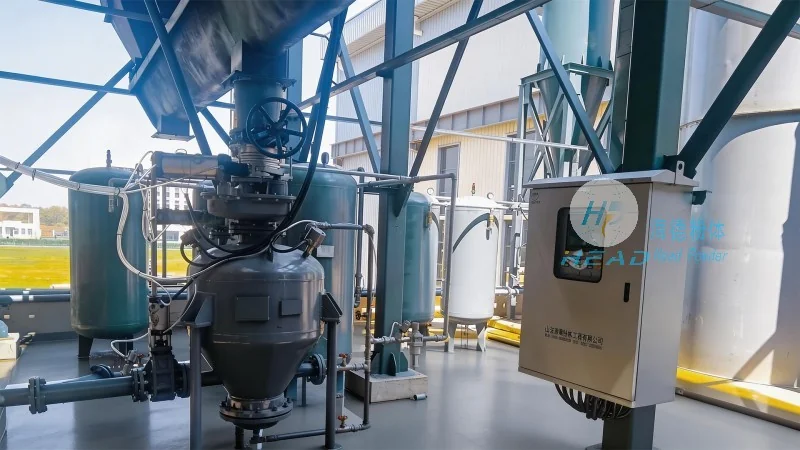
TPU material conveying lines offer several benefits that make them essential in modern manufacturing. These systems enhance production efficiency by ensuring a continuous and consistent flow of material, reducing the need for manual handling and minimizing the risk of material loss or contamination. The automated control systems improve operational reliability, as they can adapt to changing production demands and maintain optimal performance even under varying conditions. Additionally, the modular design of these lines allows for easy integration with other production equipment, such as mixers, extruders, or molding machines, creating a seamless production line. The applications of TPU material conveying lines are diverse, including the manufacturing of automotive parts, footwear, and medical devices, where TPU is used for its flexibility, durability, and resistance to abrasion. By efficiently conveying TPU materials, these lines contribute to the overall quality and consistency of the final products. The expertise of Shandong HeadPowder Engineering Co., Ltd. in designing and manufacturing these systems ensures that clients receive tailored solutions that meet their specific operational needs, supporting their business growth and competitiveness.




