What is Calcined Gypsum Material Handling Equipment? What Are Its Design Principles?
Release time:2026-09-15 03:03:40
name of the company:Shandong Headpowder Engineering Co., Ltd.
telephone:156-6277-7102
contacts:Zhang manager
Calcined gypsum, also known as plaster of Paris, is a widely used building material derived from gypsum through a heating process. Its unique properties, such as high compressive strength and excellent workability, make it essential in construction and industrial applications. However, handling this material efficiently requires specialized equipment designed to manage its characteristics effectively. This article explores the calcined gypsum material handling equipment and its underlying design principles, providing insights into how these systems ensure safe, reliable, and efficient material transport.
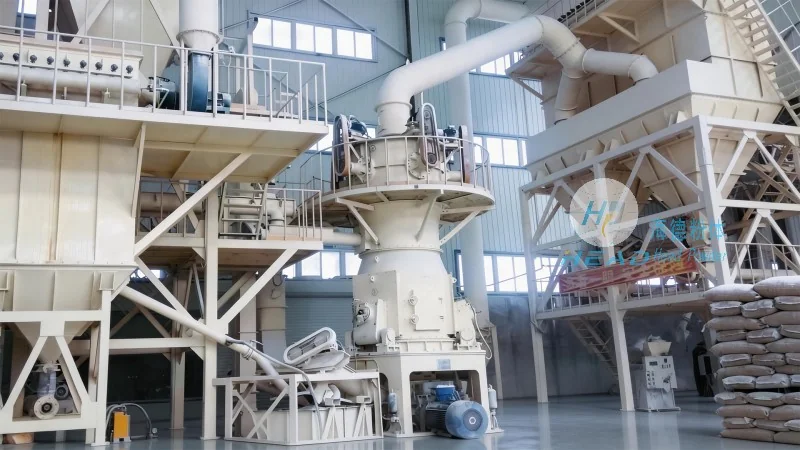
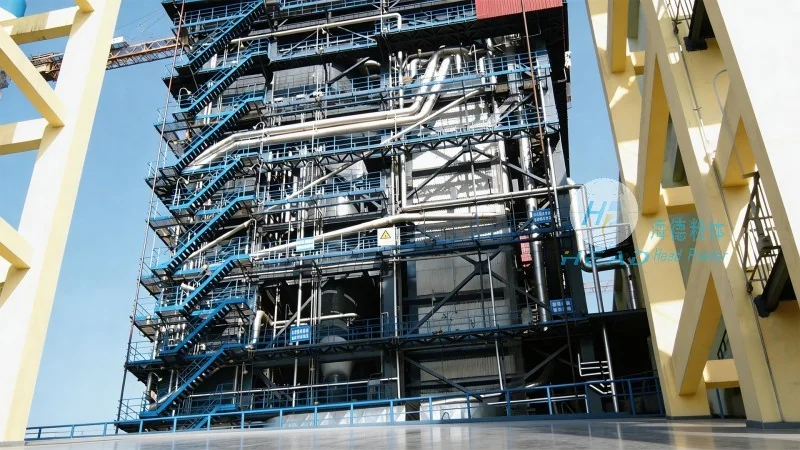
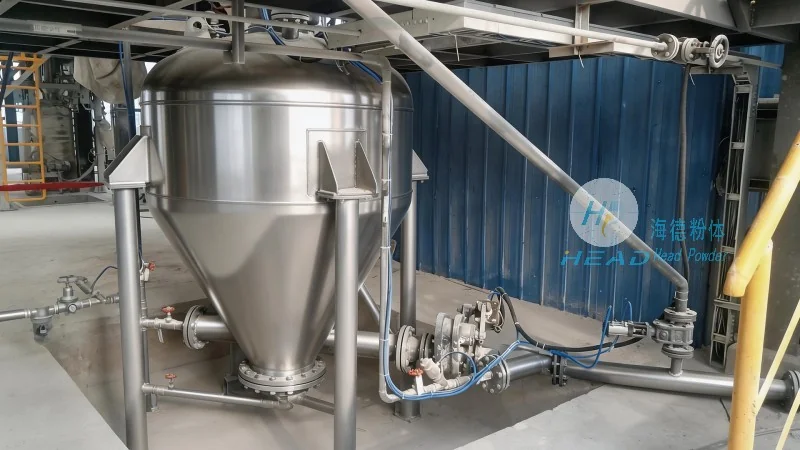
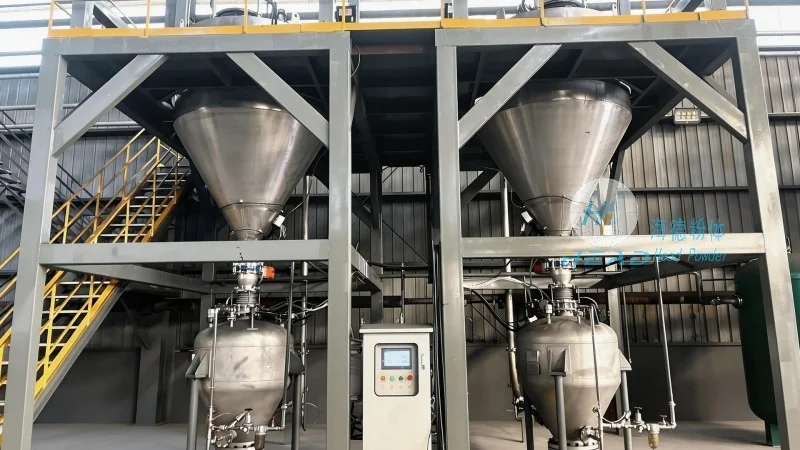
Key Characteristics of Calcined Gypsum
Before delving into the equipment, it is crucial to understand the properties of calcined gypsum that influence the design of handling systems. Calcined gypsum is typically a fine, powdery substance with a density ranging from 1.1 to 1.3 g/cm³, depending on the degree of calcination. It is hygroscopic, meaning it can absorb moisture from the air, which can affect its flowability and handling. Additionally, calcined gypsum is abrasive due to its fine particles, which can cause wear on equipment components if not managed properly. These characteristics necessitate equipment that is robust, corrosion-resistant, and equipped with features to maintain material integrity during transport.
Design Principles of Calcined Gypsum Material Handling Equipment
The design of calcined gypsum material handling equipment is guided by several key principles aimed at optimizing performance and durability. First, the equipment must ensure consistent material flow to prevent blockages or uneven distribution. This is often achieved through the use of specialized feeders, such as rotary valves or screw conveyors, which are designed to handle fine powders without clogging. Second, the equipment must be constructed from materials that resist corrosion and wear, as calcined gypsum can be abrasive and may contain moisture that can lead to rust or degradation. Common materials include stainless steel, high-chrome alloy, or coated components to protect against chemical and mechanical stress. Third, the design emphasizes dust control and environmental safety, as calcined gypsum is a fine powder that can create airborne dust, posing health risks and environmental concerns. Enclosed systems with proper ventilation and filtration are standard features to mitigate these issues. Finally, the equipment is designed for easy maintenance and cleaning, as calcined gypsum can adhere to surfaces and require regular upkeep to maintain efficiency.




