Low-pressure continuous material pneumatic conveying systems represent a sophisticated and efficient method for transporting bulk materials over long distances or within industrial facilities. These systems are designed to handle a wide range of materials, including powders, granules, and fine particles, with minimal disruption to the material's physical properties. The technology is widely adopted in various industries such as food processing, pharmaceuticals, chemicals, and mining, where maintaining product integrity and ensuring consistent flow are critical.
Company Overview: HeadPowder Engineering
HeadPowder, or Shandong HeadPowder Engineering Co., Ltd., is a leading provider of advanced pneumatic conveying solutions. With a strong presence in China, particularly in Shandong province, the company specializes in designing, manufacturing, and implementing customized low-pressure continuous material conveying systems. HeadPowder's expertise lies in tailoring systems to meet specific operational requirements, ensuring optimal performance and reliability for clients across diverse industrial sectors.
Key Components and System Architecture
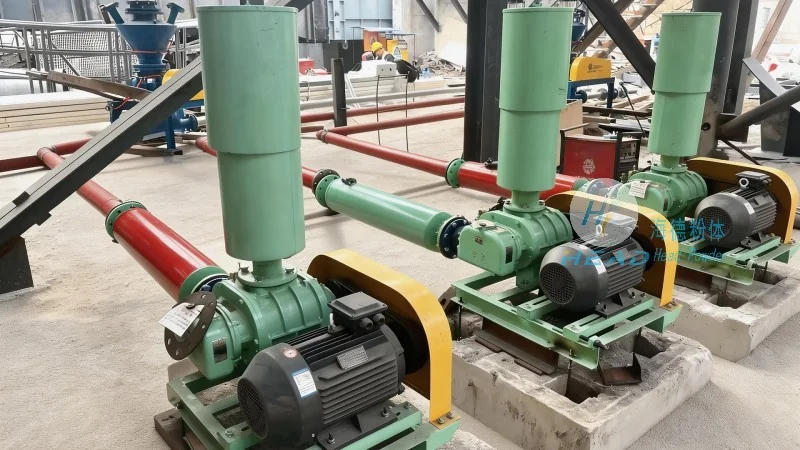
The low-pressure continuous material pneumatic conveying system typically consists of several core components that work in concert to achieve efficient material transport. These components include a material feeder, a low-pressure air compressor, a conveying pipeline, and a receiver or discharge unit. The material feeder is responsible for feeding the bulk material into the system at a controlled rate, ensuring a steady flow. The low-pressure air compressor provides the necessary air pressure to move the material through the pipeline, while the conveying pipeline, often made of stainless steel or other corrosion-resistant materials, ensures durability and minimal material degradation. The receiver or discharge unit collects the conveyed material and may include features such as dust collection or material storage.
Operation Process: Step-by-Step Workflow
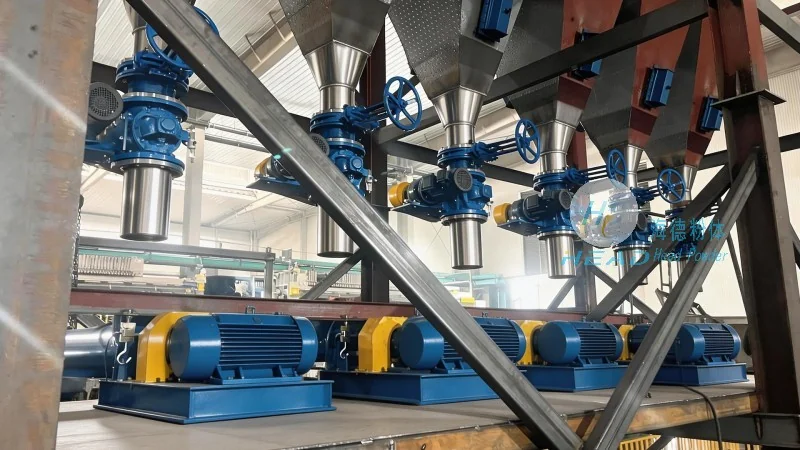
The operation of a low-pressure continuous material pneumatic conveying system follows a systematic process that ensures smooth and continuous material transport. The workflow begins with the material being fed into the system via the feeder. The feeder regulates the material flow rate, which is crucial for maintaining system efficiency and preventing blockages. Simultaneously, the low-pressure air compressor generates a steady stream of air that is introduced into the conveying pipeline. The air and material mixture travels through the pipeline, with the air providing the necessary force to move the material. As the mixture moves, the material is suspended and transported to the receiver or discharge point. The receiver then collects the material, which may be further processed or stored. Throughout the process, the system maintains a consistent pressure and flow rate, ensuring that the material is conveyed without excessive pressure drops or material loss.
Working Principle: How the System Transfers Material
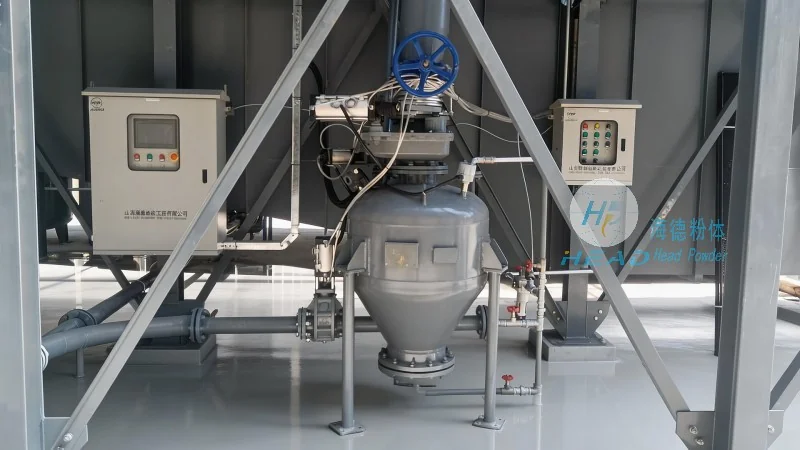
The working principle of a low-pressure continuous material pneumatic conveying system is based on the principle of fluidization and pneumatic transport. The system uses low-pressure air to create a fluidized state within the conveying pipeline, where the material particles are suspended and carried by the air stream. This fluidization allows for efficient transport of the material, as the air provides the necessary momentum to overcome the gravitational forces acting on the particles. The low-pressure design minimizes energy consumption compared to high-pressure systems, making it more cost-effective and environmentally friendly. The system's continuous operation ensures a steady supply of material, reducing downtime and improving overall productivity. The working principle also emphasizes the importance of maintaining consistent air pressure and flow rates, as fluctuations can lead to material degradation or system inefficiencies.
Technical Advantages and Applications
Low-pressure continuous material pneumatic conveying systems offer several technical advantages that make them suitable for a wide range of applications. One of the primary advantages is their ability to handle a variety of materials, including those that are sensitive to moisture or temperature changes. The system's design minimizes material exposure to air, reducing the risk of contamination or degradation. Additionally, the low-pressure operation reduces energy consumption, leading to lower operational costs and a smaller environmental footprint. The continuous nature of the system ensures a consistent flow of material, which is critical for processes that require a steady supply, such as manufacturing or packaging. These systems are also flexible in terms of layout, as they can be customized to fit the specific space and operational requirements of a facility. HeadPowder's systems are designed to meet these advantages, providing clients with reliable and efficient material transport solutions.




