For industries dealing with fine powders like silica, efficient material handling is crucial for maintaining production efficiency and product quality. The pneumatic conveying system designed by Shandong HeadPowder Engineering Co., Ltd. offers a reliable solution for transporting silica powder, ensuring smooth operation and minimal downtime. This article explores the operational process and underlying principles of such a system, highlighting key components and their functions.
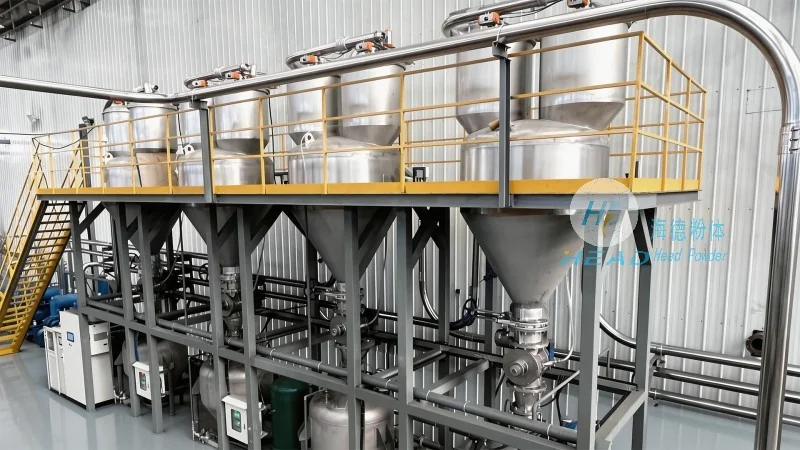
Introduction to Silica Powder Pneumatic Conveying
Silica powder, commonly used in various industrial applications including construction, electronics, and pharmaceuticals, presents unique challenges during transportation due to its fine particle size and potential for dust generation. Traditional methods like belt conveyors or bucket elevators may not be suitable for handling such materials, as they can cause particle degradation, increased friction, and higher maintenance costs. Pneumatic conveying systems provide an alternative that addresses these issues by using air as the conveying medium, enabling gentle and controlled movement of the powder.
Key Components of the Pneumatic Conveying System
The pneumatic conveying system for silica powder typically consists of several essential components that work in tandem to ensure effective material transport. These include the hopper, which serves as the storage and feeding unit, the air compressor or blower that generates the air pressure, the pipeline network that transports the powder-air mixture, the control valves that regulate flow, and the discharge unit where the material is released. Each component plays a critical role in maintaining the system's efficiency and safety.
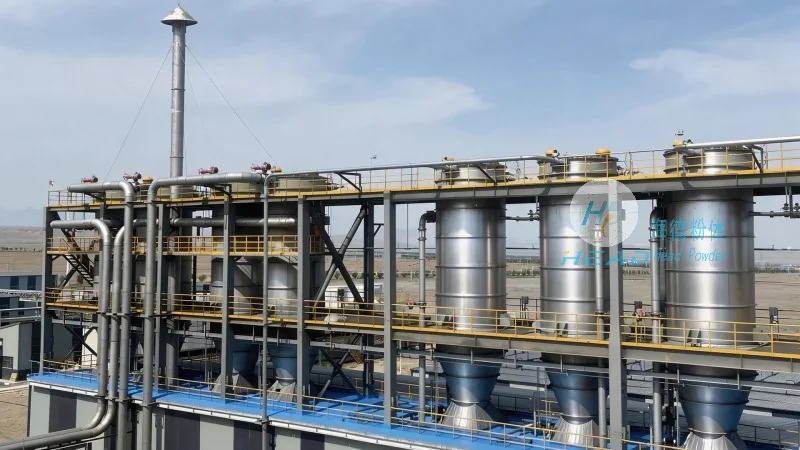
The Operational Process: From Hopper to Discharge
The operation of the silica powder pneumatic conveying system begins with the material being fed into the hopper. The hopper is equipped with a feeder, such as a rotary valve or a screw feeder, which controls the flow rate of the powder into the system. As the powder enters the pipeline, the air compressor or blower supplies compressed air, creating a pressure differential that propels the powder forward. The air and powder mixture travels through the pipeline, with the air velocity maintained at a level sufficient to keep the powder suspended and prevent clogging. At the discharge end, the material is separated from the air, often through a cyclone separator or a filter, and collected in the receiving container. The air is then filtered and recycled back into the system, minimizing waste and energy consumption.
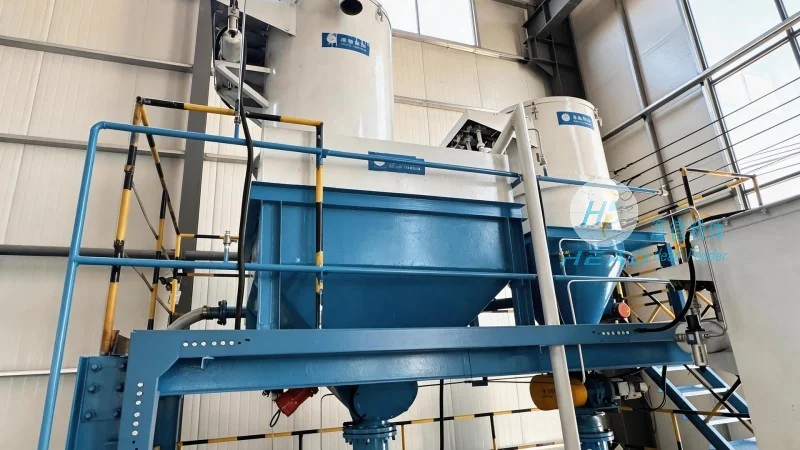
Working Principle: Air Pressure and Particle Suspension
The core working principle of the pneumatic conveying system relies on the interaction between air pressure and the physical properties of the silica powder. The system operates under either positive pressure or negative pressure, depending on the specific application and layout. In positive pressure systems, the air compressor pushes air through the pipeline, creating a pressure higher than the ambient air, which forces the powder to move forward. In negative pressure systems, the air is drawn out of the pipeline, creating a vacuum that pulls the powder into the system. The key to successful conveying is maintaining an appropriate air velocity; if the velocity is too low, the powder may settle and cause blockages, while too high a velocity can lead to excessive wear on the equipment and energy waste. The system is designed to optimize this velocity to ensure efficient transport of the silica powder without compromising the material's integrity.
Advantages of Using a Pneumatic Conveying System for Silica Powder
Implementing a pneumatic conveying system for silica powder offers several advantages over traditional handling methods. Firstly, it provides a dust-free environment, reducing the risk of inhalation and contamination, which is particularly important in industries where product purity is critical. Secondly, the system minimizes material degradation, as the gentle air flow prevents particle breakage and agglomeration. Thirdly, it reduces maintenance costs and downtime, as there are fewer moving parts compared to mechanical conveyors, and the system is less prone to clogging. Additionally, the system can be easily integrated with existing production lines, allowing for seamless material transfer and improved overall workflow. These benefits make the pneumatic conveying system an attractive option for companies dealing with silica powder, enhancing both operational efficiency and product quality.




