Coal ash, a byproduct of coal combustion in thermal power plants, presents significant handling challenges due to its abrasive properties and variable particle sizes. Traditional bulk material handling methods often struggle with the efficient and safe transport of coal ash, leading to operational inefficiencies and increased maintenance costs. The development of pneumatic conveying systems has addressed these challenges by providing a reliable solution for transporting coal ash over long distances and across various industrial applications. This article explores the operation process and working principle of a coal ash material pneumatic conveying machine, highlighting its key components, operational workflow, and technical advantages.
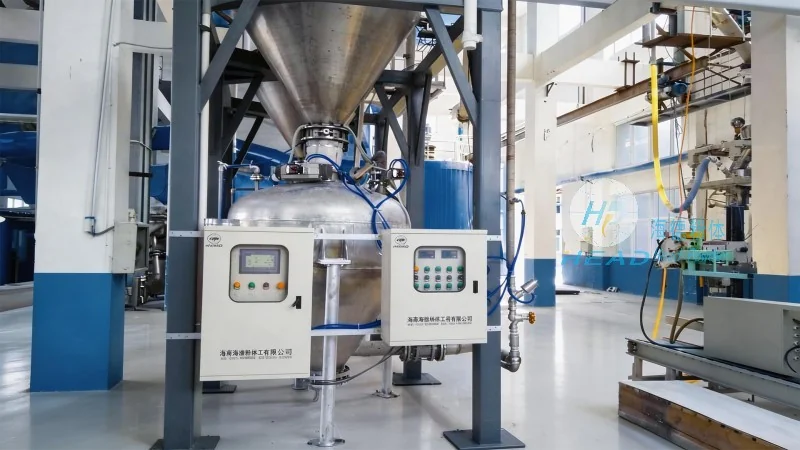
Key Components of the Pneumatic Conveying System
The coal ash material pneumatic conveying machine comprises several critical components that collaborate to ensure efficient material transport. The primary components include the hopper (serving as the storage and feeding unit), the air compressor or blower (generating necessary airflow), the pipeline system (transporting the material-air mixture), and the discharge valve or receiver (collecting conveyed material). Each component plays a vital role in the overall system performance. The hopper is designed with a sloped bottom to facilitate uniform material flow, preventing blockages and ensuring consistent feeding. The air compressor typically operates as a positive displacement type, capable of delivering high-pressure air to overcome pipeline resistance and material density. The pipeline system is constructed from durable materials like stainless steel or high-density polyethylene to withstand the abrasive nature of coal ash and conveying air pressure. The discharge valve or receiver is equipped with a filter to separate material from air, ensuring the conveyed coal ash is free from dust and contaminants.
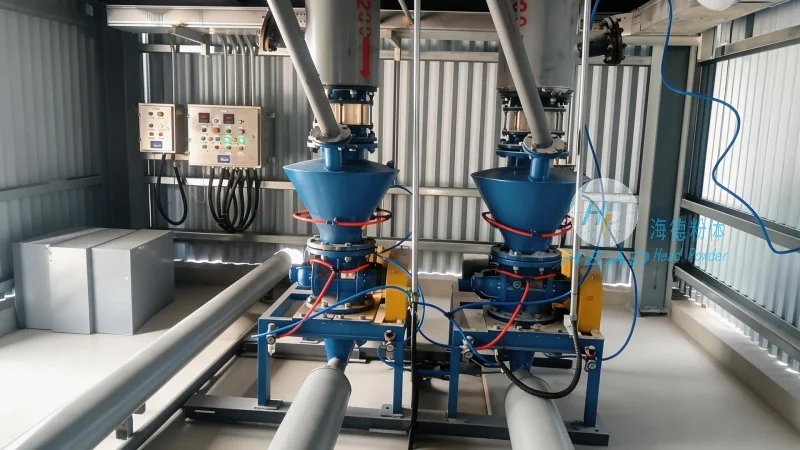
Operation Process of the Pneumatic Conveying Machine
The operation of the coal ash material pneumatic conveying machine follows a systematic process for smooth, continuous material transport. The process initiates with coal ash loading into the hopper. As material is fed, the air compressor starts, generating high-pressure airflow. This airflow is directed into the pipeline, creating a vacuum or pressure differential that draws coal ash particles into the air stream. The material-air mixture then travels through the pipeline to the discharge point. At the discharge end, the mixture passes through a separator, where air is filtered out and coal ash is collected in the receiver. The cycle repeats as long as material remains in the hopper and the system operates. The entire process is automated, with sensors monitoring hopper material levels and pipeline pressure to ensure optimal performance. This automation minimizes human intervention, reducing error risk and improving overall efficiency.
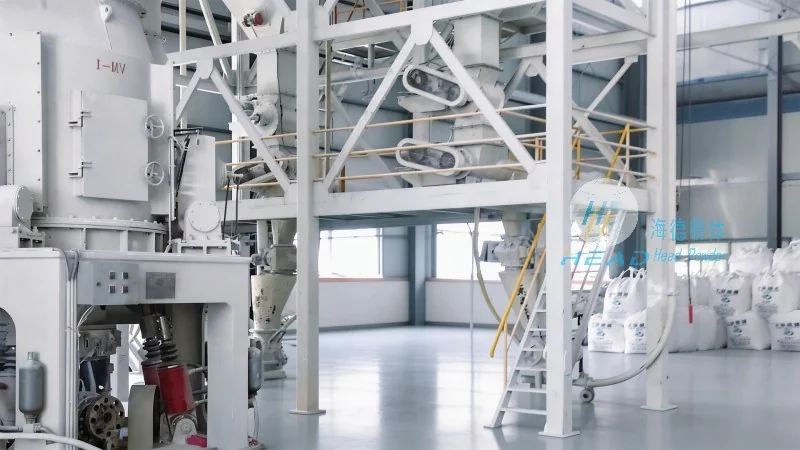
Working Principle of the Pneumatic Conveying System
The working principle of the coal ash material pneumatic conveying machine is based on fluidization and solid particle transport within a gas stream. When the air compressor generates high-pressure airflow, it creates a pressure difference between the hopper and discharge point. This pressure difference entrains coal ash particles into the air stream, forming a slurry-like mixture. The air flow velocity is carefully controlled to fully suspend particles without excessive wear on the pipeline or components. Efficient conveying relies on maintaining the correct air-to-material ratio, balancing system pressure drop and material flow resistance. The system operates in either positive pressure (air blown into pipeline) or negative pressure (air drawn from pipeline) modes, depending on distance, material properties, and design. Positive pressure is used for short distances, while negative pressure suits longer routes.
Technical Advantages of the Pneumatic Conveying Machine
The coal ash material pneumatic conveying machine offers several technical advantages over traditional handling methods. Firstly, it provides a dust-free, enclosed transport system, enhancing safety and reducing environmental pollution. Unlike belt conveyors or bucket elevators, the pneumatic system prevents fine particle release, making it ideal for dust-sensitive applications. Secondly, the system is highly flexible, with easily reconfigurable pipelines to accommodate production changes or facility layouts. Thirdly, it is compact, requiring minimal space, suitable for confined installations. The pipeline lacks moving parts, reducing maintenance and extending lifespan. Additionally, the system operates quietly, minimizing noise pollution. These advantages make the machine an optimal solution for coal ash handling in thermal power plants and other industrial settings.
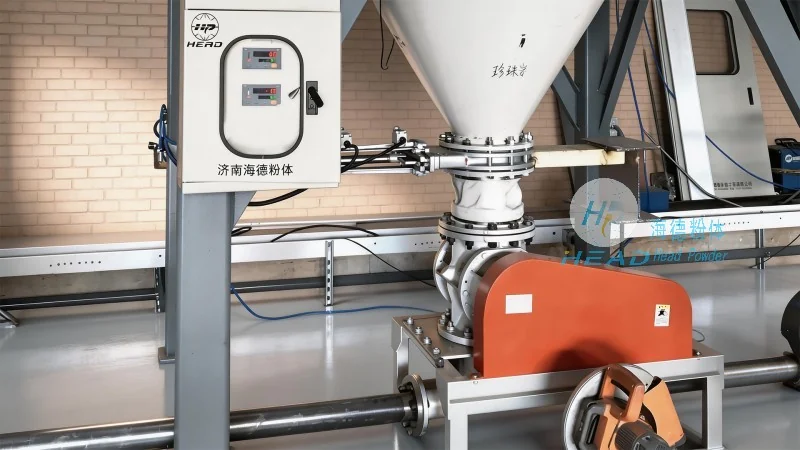
Applications and Industrial Use Cases
The coal ash material pneumatic conveying machine is widely used across industrial sectors, particularly in power generation. In thermal power plants, it transports coal ash from boilers to storage silos or disposal sites, handling volumes from 10 to 100 tons per hour. It is also utilized in cement production, where coal ash serves as a raw material. The system's flexibility allows integration into existing production lines with minimal modifications. Its use has improved operational efficiency, reduced downtime, and lowered maintenance costs. The machine's reliability and adaptability make it a critical asset for industries requiring efficient bulk material transport.




