Tea material pneumatic conveying machines are essential equipment in the tea processing industry, designed to efficiently transport loose tea leaves, tea powder, or other tea-related materials from one location to another. The operation process and working principle of these machines are crucial for understanding their functionality and ensuring optimal performance in tea production facilities.
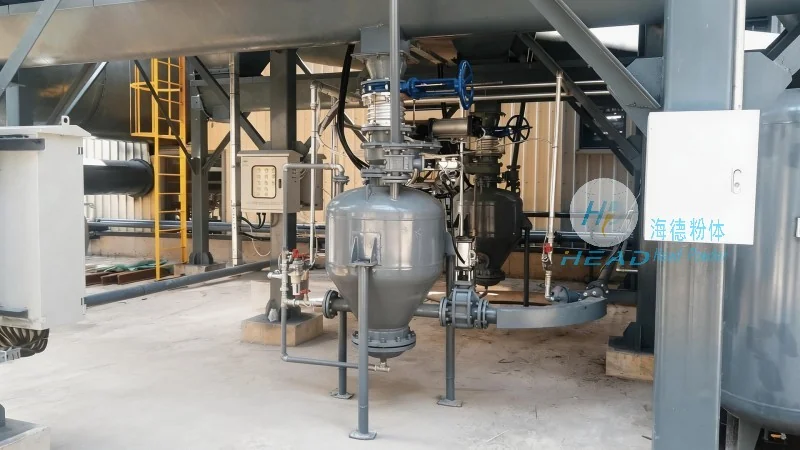
Overview of Tea Material Pneumatic Conveying Systems
Tea material pneumatic conveying systems utilize air as the primary medium to move solid materials through a pipeline network. These systems are widely used in tea processing plants due to their ability to handle delicate tea leaves without causing damage, preserve product quality, and maintain a clean and hygienic environment. The core components of a typical tea material pneumatic conveying machine include a hopper for material storage, a blower or air compressor to generate airflow, a pipeline system for material transport, and a receiver or discharge point for the material.
Working Principle of Pneumatic Conveying
The working principle of a tea material pneumatic conveying machine is based on the creation of a pressure differential within the conveying pipeline. When the blower or air compressor is activated, it generates a high-velocity airflow that pulls or pushes the tea material from the hopper into the pipeline. The material is then carried along the pipeline by the airflow, reaching the discharge point where the air is filtered and the material is collected. This process can be either positive pressure (where air is forced into the pipeline) or negative pressure (where air is drawn out, creating a vacuum), depending on the system design and the specific requirements of the tea processing operation.
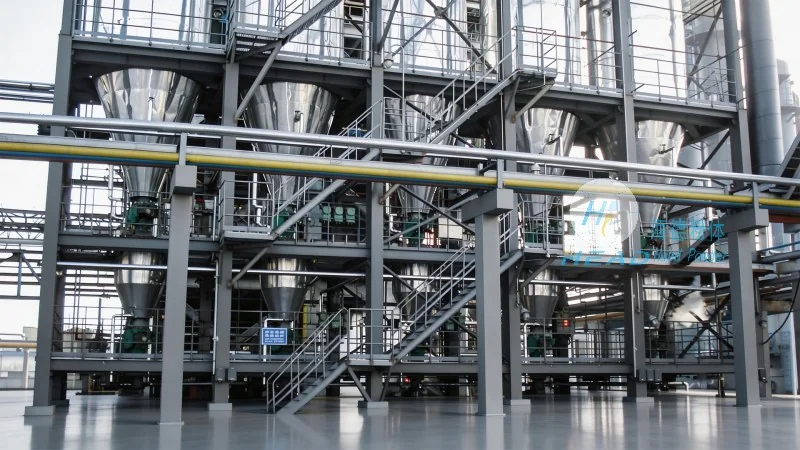
Step-by-Step Operation Process
The operation process of a tea material pneumatic conveying machine involves several key steps that ensure smooth and efficient material transport. First, the tea material is loaded into the hopper, which is equipped with a feeding mechanism to control the flow rate. Next, the blower or air compressor is started, and the airflow is adjusted to the appropriate velocity to match the material's characteristics. As the material is introduced into the pipeline, it is carried by the airflow to the discharge point. The system may include intermediate points for branching or diverting the material to different processing areas. Finally, the material is collected in the receiver, and the air is filtered to remove any residual particles before being released back into the environment.
Key Components and Their Functions
Each component of a tea material pneumatic conveying machine plays a vital role in the overall operation. The hopper serves as a storage container for the tea material, with a discharge valve to regulate the material flow. The blower or air compressor provides the necessary air pressure and volume to move the material through the pipeline. The pipeline system, typically made of stainless steel or other corrosion-resistant materials, ensures the material is transported without contamination or degradation. The receiver or discharge point collects the material and may include a filter to remove any air-borne particles. Additionally, some systems include a dust collector to enhance air quality and prevent environmental contamination.
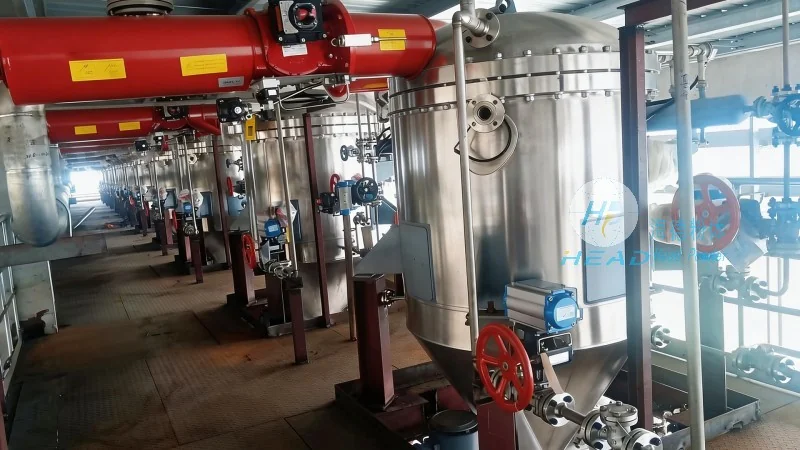
Benefits of Using Tea Material Pneumatic Conveying Machines
Tea material pneumatic conveying machines offer several advantages over traditional mechanical conveying methods. These include reduced labor costs, as the system can operate automatically with minimal human intervention. The equipment also minimizes product damage, as the gentle airflow prevents bruising or crushing of delicate tea leaves. Furthermore, the enclosed pipeline system maintains a clean and hygienic environment, which is critical for tea processing to meet quality and safety standards. The flexibility of pneumatic conveying allows for easy integration with other processing equipment, such as sorting machines or packaging lines, enhancing overall production efficiency.
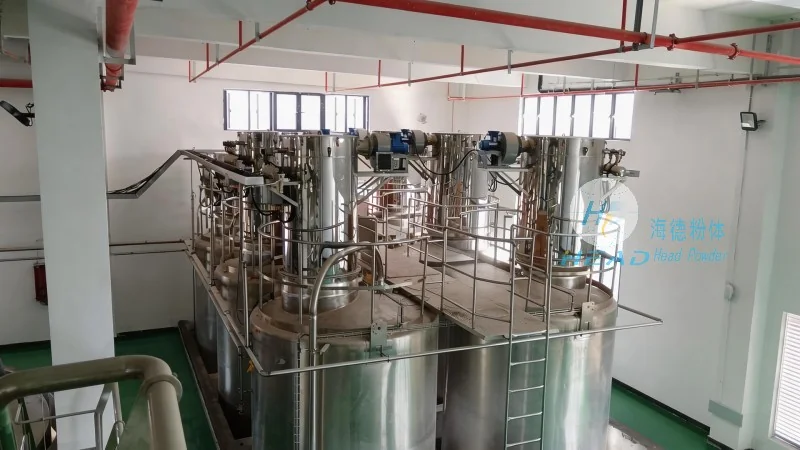
Application in Tea Processing
Tea material pneumatic conveying machines are widely used in various stages of tea processing, from raw leaf handling to final product packaging. In the initial stages, the machine can transport freshly harvested tea leaves from the field to the processing plant. During processing, it can move tea leaves through different stages, such as withering, rolling, and drying, by conveying them between processing units. After processing, the machine can transport tea powder or finished tea products to storage or packaging areas. The ability to handle different forms of tea material, including loose leaves, broken leaves, and powder, makes these machines versatile and essential in modern tea production.
Maintenance and Operational Considerations
Proper maintenance is essential to ensure the long-term performance and efficiency of tea material pneumatic conveying machines. Regular cleaning of the hopper, pipeline, and receiver is necessary to prevent material buildup and blockages. The blower or air compressor should be checked for proper air pressure and flow rates to maintain optimal conveying performance. Filters and dust collectors should be inspected and replaced as needed to prevent clogging and maintain air quality. Additionally, the system should be monitored for any signs of wear or damage, such as leaks or corrosion, to address issues promptly and avoid downtime. Following the manufacturer's guidelines for maintenance and operation will help extend the lifespan of the equipment and ensure consistent product quality.




