Shandong HeadPowder Engineering Co., Ltd., a leading provider in the field of material handling solutions, specializes in the development and implementation of advanced pneumatic conveying systems tailored for calcium phosphate. With a focus on efficiency, reliability, and safety, the company offers comprehensive solutions that address the unique challenges associated with transporting this critical industrial material. This article explores several effective approaches to the pneumatic conveying of calcium phosphate, highlighting key technologies and considerations for optimal performance.
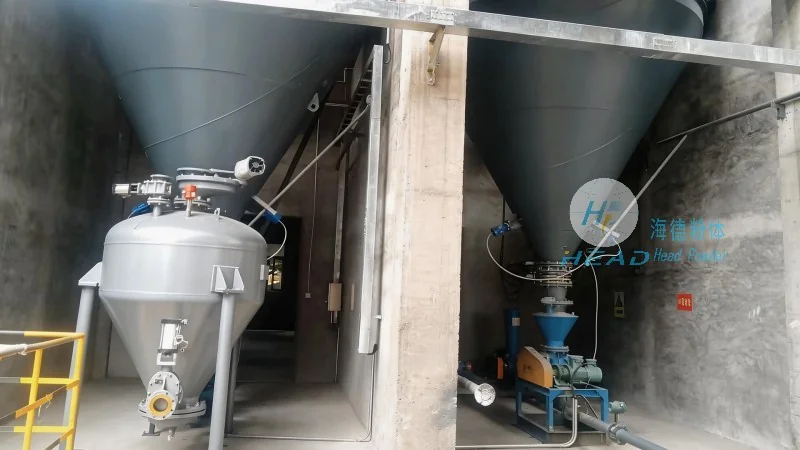
Overview of Pneumatic Conveying Systems for Calcium Phosphate
Pneumatic conveying is a widely adopted method for transporting bulk materials like calcium phosphate, offering advantages such as reduced equipment wear, minimal product contamination, and the ability to handle materials in a closed system. The choice of system depends on factors including material properties, required conveying distance, and operational conditions. Shandong HeadPowder Engineering Co., Ltd. provides tailored solutions that align with these variables, ensuring that the selected system maximizes productivity while maintaining cost-effectiveness.
Solution 1: Dilute-Phase Pneumatic Conveying System
The dilute-phase system is suitable for short to medium conveying distances and is characterized by a high gas-to-solid ratio. In this approach, calcium phosphate particles are suspended in a high-velocity air stream, allowing for efficient transport. The system typically operates at pressures ranging from atmospheric to low positive pressures, making it ideal for applications where the material is relatively free-flowing and the conveying distance is limited. Shandong HeadPowder Engineering Co., Ltd. designs dilute-phase systems that incorporate advanced air handling components, such as high-efficiency blowers and filtration units, to ensure consistent performance and minimal dust emissions. This solution is particularly effective for transporting calcium phosphate in powder form, where the material's light weight and low abrasiveness are leveraged to achieve smooth and reliable transport.
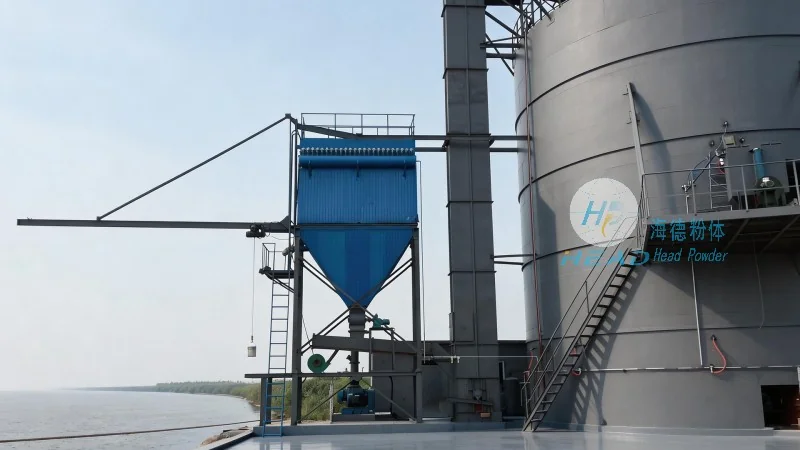
Solution 2: Dense-Phase Pneumatic Conveying System
For longer conveying distances or when handling more abrasive or cohesive calcium phosphate materials, the dense-phase system is often preferred. This method operates at a lower gas-to-solid ratio, resulting in a slower, more controlled transport of the material. The system typically uses positive pressure to push the material through the pipeline, with the air acting as a cushion to reduce particle impact and wear on the system components. Shandong HeadPowder Engineering Co., Ltd. implements dense-phase systems equipped with specialized valves and pressure regulators to maintain consistent flow rates and prevent blockages. The dense-phase approach is particularly advantageous for transporting calcium phosphate that may have higher moisture content or is prone to agglomeration, as the controlled pressure and velocity help maintain the material's integrity during transport.
Solution 3: Hybrid Pneumatic Conveying System
In some cases, a hybrid approach combining elements of both dilute and dense-phase systems may be the most effective solution for calcium phosphate transport. This integrated system allows for flexibility in handling varying material conditions and conveying distances. For instance, the system may start with a dilute-phase section for initial transport and then transition to a dense-phase section for longer distances or when encountering more challenging material characteristics. Shandong HeadPowder Engineering Co., Ltd. designs hybrid systems that utilize intelligent control mechanisms to optimize the transition between phases, ensuring smooth operation and minimal energy consumption. This approach is particularly beneficial for applications where the conveying requirements vary, such as in processing plants that handle different grades of calcium phosphate or where the material may change in consistency over time.
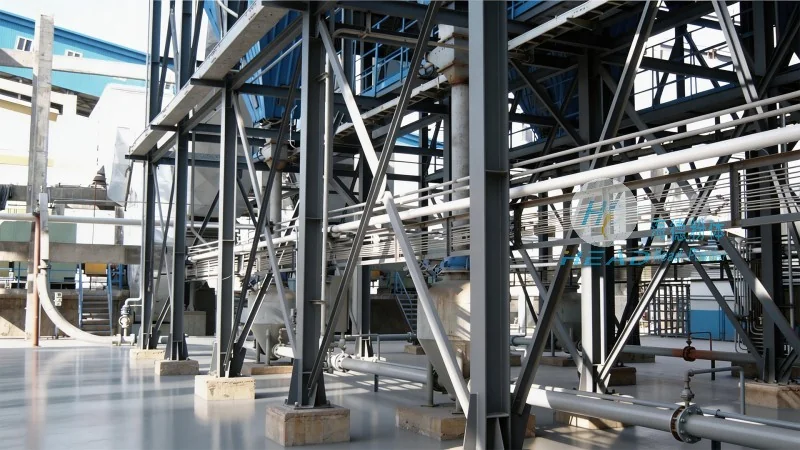
Key Considerations for Implementing Pneumatic Conveying of Calcium Phosphate
When selecting a pneumatic conveying system for calcium phosphate, several critical factors must be considered to ensure optimal performance and longevity. First, the material's physical properties, including particle size distribution, density, and moisture content, play a significant role in determining the most suitable system type. For example, fine calcium phosphate powders may require a dilute-phase system with enhanced filtration to prevent clogging, while coarser materials may benefit from a dense-phase system to reduce wear on pipelines. Second, the conveying distance and layout of the system must be carefully evaluated to select the appropriate pressure and air volume requirements. Shandong HeadPowder Engineering Co., Ltd. conducts thorough site assessments and material testing to provide customized system designs that meet these specific requirements. Third, system maintenance and operational costs are important considerations. The company's solutions incorporate durable components and easy-to-service designs to minimize downtime and reduce long-term operational expenses. Additionally, compliance with safety and environmental regulations is essential, as calcium phosphate is a non-hazardous material but may generate dust during handling. Proper filtration and dust collection systems are integrated into the design to ensure safe and environmentally responsible operation.
Conclusion
Shandong HeadPowder Engineering Co., Ltd. offers a range of effective solutions for the pneumatic conveying of calcium phosphate, catering to diverse operational needs and material characteristics. Whether through dilute-phase, dense-phase, or hybrid systems, the company's expertise ensures that the selected approach maximizes efficiency, reliability, and safety. By leveraging advanced engineering and tailored system designs, Shandong HeadPowder Engineering Co., Ltd. provides comprehensive material handling solutions that support the smooth operation of industrial processes involving calcium phosphate. With a commitment to quality and customer satisfaction, the company continues to be a trusted partner in the development and implementation of pneumatic conveying systems for this critical industrial material.




