Shandong HeadPowder Engineering Co., Ltd., a leading enterprise in the field of dust and powder handling technology, specializes in the design, manufacturing, and application of advanced pneumatic conveying systems. HeadPowder, as the company's abbreviated name, has been committed to providing efficient and reliable solutions for the transportation of various powders and dusts in industrial settings. With a base in Shandong, China, the company leverages its extensive experience and technical expertise to meet the diverse needs of clients across different industries.
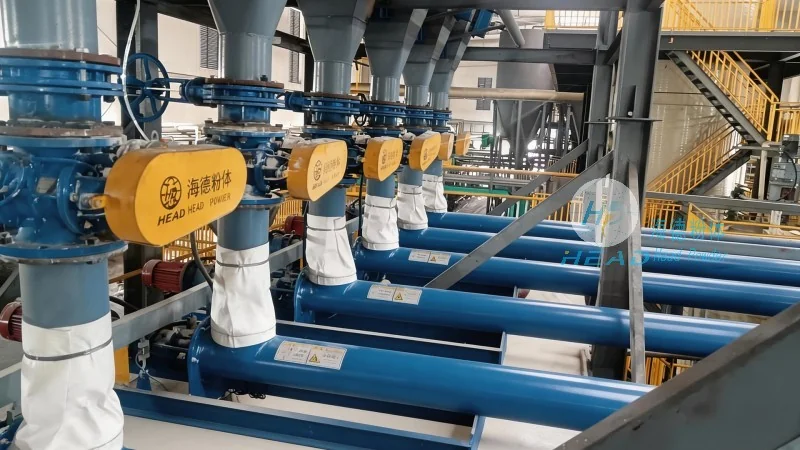
Introduction to Dust Powder Pneumatic Conveying Systems
A pneumatic conveying system is a critical component in modern industrial processes, particularly for the efficient and safe transportation of bulk materials such as powders and dusts. The system operates by using compressed air or other gases to move material through a pipeline network. This method offers several advantages over traditional mechanical conveying systems, including reduced maintenance costs, improved safety, and the ability to handle materials that are difficult to transport by other means. The core of a pneumatic conveying system lies in its ability to control the flow of material and air, ensuring optimal performance and minimal material degradation.
Principle of Operation
The fundamental principle of a dust powder pneumatic conveying system is based on the transfer of material using a gas stream. In a typical system, a blower or compressor generates a high-pressure air flow that is introduced into the conveying line. The material to be transported is then introduced into the pipeline, either by gravity or through a feeder device. As the air flows through the line, it entrains the powder particles, creating a slurry-like mixture that moves through the system. The system can be designed in various configurations, including dilute phase, dense phase, and pressure/venturi systems, each tailored to specific material characteristics and application requirements.
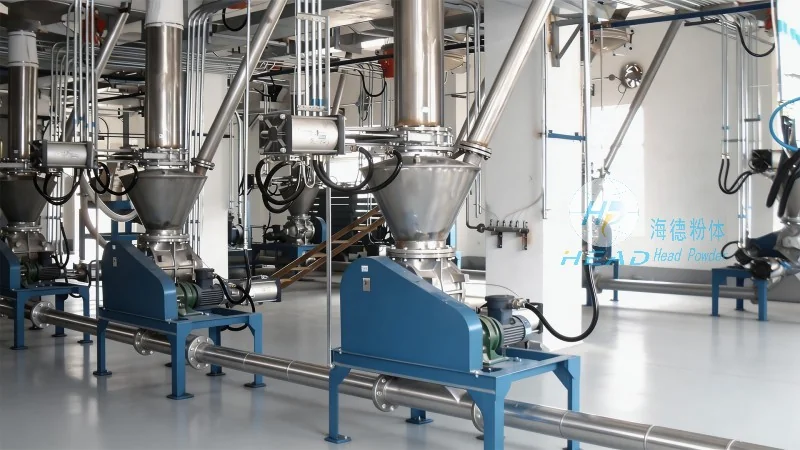
Key Components and Their Functions
Several key components are integral to the operation of a pneumatic conveying system. These include the air compressor or blower, which provides the necessary pressure and flow rate; the feeder, which controls the material feed rate and ensures consistent flow; the conveying line, which transports the material and air mixture; and the receiver or discharge device, which collects the material at the end of the system. Additionally, components such as filters, cyclones, and pressure regulators may be included to enhance system performance and ensure compliance with safety and environmental regulations.
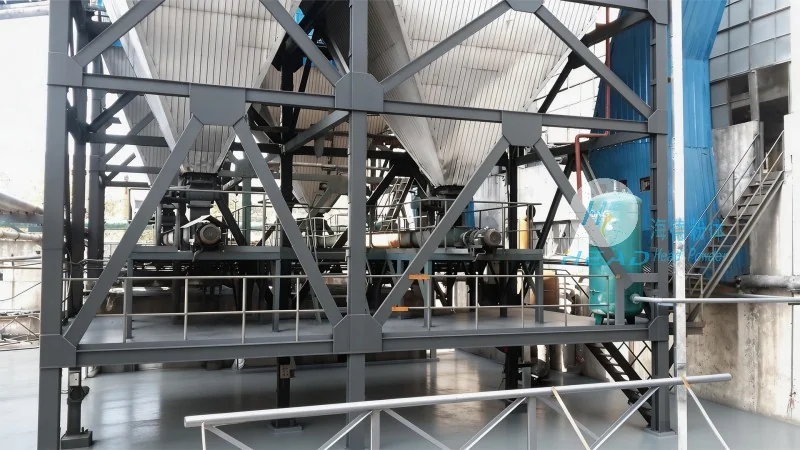
Working Scene Characteristics
The working scene characteristics of a dust powder pneumatic conveying system vary significantly based on the specific application and material being handled. For example, in the food and pharmaceutical industries, systems are designed to maintain strict hygiene standards, with components made from food-grade materials and equipped with sanitary fittings. In contrast, in the chemical or mining industries, systems may need to handle abrasive or corrosive materials, requiring the use of specialized materials for the conveying line and components. The system's design also considers factors such as the distance of material transport, the required flow rate, and the need for dust control measures to minimize environmental impact.
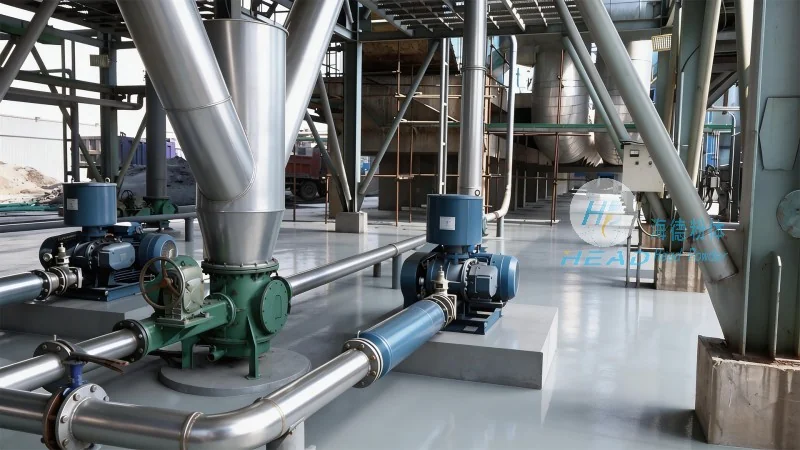
Advantages and Applications
Pneumatic conveying systems offer numerous advantages over traditional conveying methods. These include the ability to transport materials over long distances, the flexibility to handle a wide range of materials, and the reduced risk of material contamination. The systems are widely used in various industries, including food processing, pharmaceuticals, chemicals, mining, and cement production. For instance, in the food industry, pneumatic conveying is used to transport flour, sugar, and other dry ingredients, while in the chemical industry, it is used to transport powders such as pigments and catalysts. The versatility of these systems makes them an essential part of modern industrial operations.
Conclusion
Shandong HeadPowder Engineering Co., Ltd. provides comprehensive solutions for dust and powder pneumatic conveying systems, leveraging advanced technology and expertise to meet the evolving needs of industrial clients. By understanding the principles and working scene characteristics of these systems, businesses can optimize their material handling processes, improve efficiency, and ensure compliance with industry standards. The company's commitment to quality and innovation ensures that clients receive reliable and effective solutions tailored to their specific requirements.




