Dilute phase powder pneumatic conveying equipment represents a sophisticated solution for the efficient transport of bulk powders. This technology leverages the principles of fluid dynamics to suspend powder particles in a high-velocity gas stream, enabling the movement of materials through pipelines. Unlike dense phase conveying, which involves a more concentrated mixture of powder and gas, dilute phase systems maintain a low concentration of particles, allowing for smoother and more continuous transport. The equipment is widely recognized for its ability to handle a broad spectrum of powder types, from fine powders like cement and flour to coarser materials such as sand and granules. Understanding the underlying principles and the diverse working scenarios where this equipment excels is crucial for optimizing material handling processes across various industries.
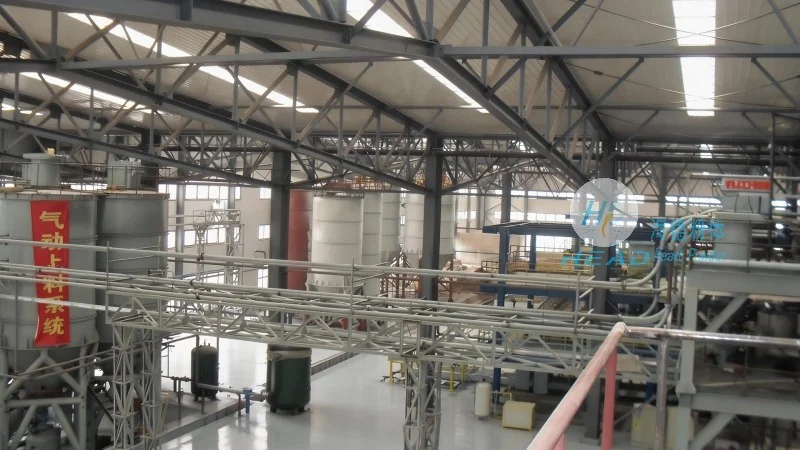
Principle of Dilute Phase Pneumatic Conveying
The fundamental principle of dilute phase pneumatic conveying revolves around the creation of a stable suspension of powder particles within a gas stream. The process begins with the introduction of the powder into the conveying line via a feeder, which may be a rotary valve, screw feeder, or other feeding mechanism. The feeder ensures a consistent flow of powder into the gas stream, which is typically generated by a blower or compressor. The gas velocity is critical; it must be sufficient to keep the powder particles airborne and prevent settling. The conveying line, often made of metal or plastic, transports the powder-gas mixture to the destination. At the receiving end, a separator (such as a cyclone or bag filter) separates the powder from the gas, allowing the powder to be collected and the gas to be discharged or recirculated. The entire system operates under conditions where the gas velocity exceeds the terminal velocity of the powder particles, ensuring that the particles remain suspended throughout the conveying process. This principle is based on the concept of particle-laden flow, where the gas provides the necessary momentum to overcome gravitational forces and transport the powder.
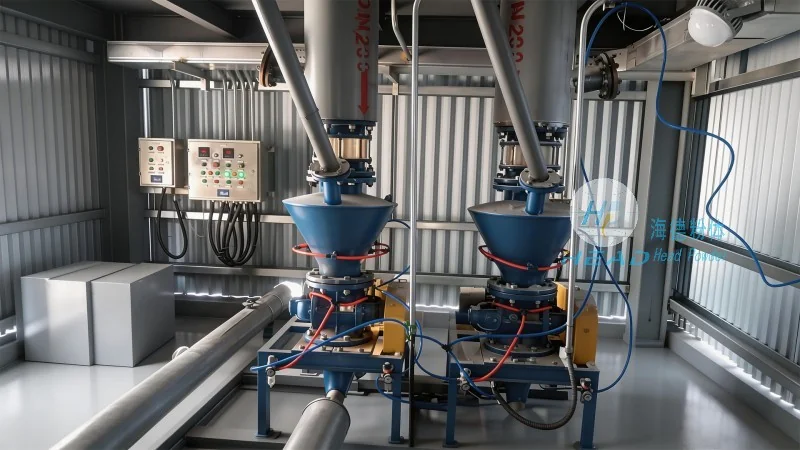
Working Scenario Characteristics
The working scenario characteristics of dilute phase powder pneumatic conveying equipment are influenced by several key factors, including the distance of transport, the type of powder, and the required flow rate. For short to medium distances (typically up to several hundred meters), dilute phase systems are highly efficient and cost-effective. They are particularly suitable for applications where the powder needs to be transported from a lower elevation to a higher one, as the gas stream can provide the necessary lift. The equipment is also advantageous in scenarios where the powder is non-abrasive and has a relatively uniform particle size, as this reduces wear on the conveying line and components. Additionally, dilute phase conveying is well-suited for applications requiring high throughput, as the system can handle large volumes of material with minimal pressure drop. However, for long-distance or high-density powder transport, dense phase conveying may be more appropriate, as it offers better efficiency and lower energy consumption. The choice of dilute phase equipment depends on the specific requirements of the application, balancing factors such as cost, efficiency, and material properties.
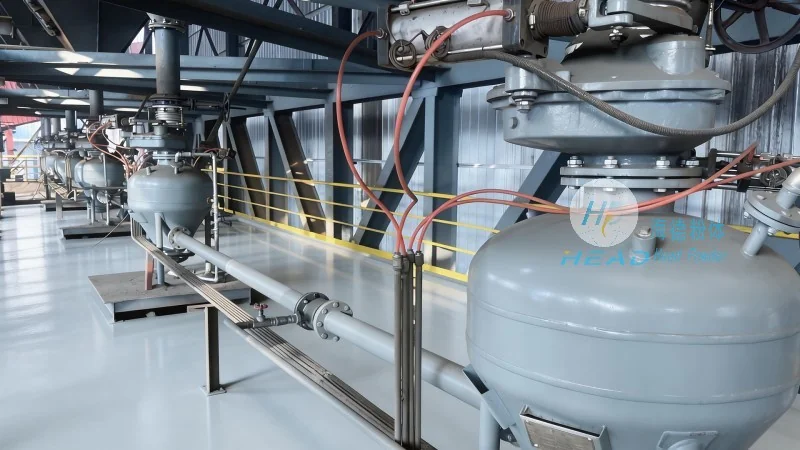
Application Examples and Industry Use Cases
Dilute phase powder pneumatic conveying equipment is extensively utilized across multiple industries, each with unique material handling needs. In the chemical industry, it is commonly employed to transport raw materials such as powders for chemical synthesis, including ingredients for pharmaceuticals, fertilizers, and specialty chemicals. The equipment ensures that these materials are handled hygienically and efficiently, minimizing contamination and loss. In the pharmaceutical sector, dilute phase systems are critical for the safe and controlled transport of active pharmaceutical ingredients (APIs) and excipients. The technology allows for precise dosing and mixing, which is essential in drug manufacturing. The food industry also benefits from this equipment, as it is used to transport ingredients like flour, sugar, and spices, maintaining product quality and preventing cross-contamination. For instance, in bakeries and food processing plants, dilute phase conveying helps in the efficient movement of bulk ingredients to production lines. In the cement industry, dilute phase systems are used to transport raw materials like limestone and clay, as well as finished cement products. The equipment optimizes the production process by reducing downtime and improving material flow. These examples illustrate the versatility of dilute phase pneumatic conveying equipment in meeting the diverse demands of modern industrial operations.




