Shandong HeadPowder Engineering Co., Ltd., commonly known as headpowder, is a specialized engineering firm based in Shandong, China. With a focus on industrial solutions for the food and beverage sector, the company has developed expertise in designing and implementing efficient pneumatic conveying systems for dry yeast applications. This article outlines the critical design considerations that ensure optimal performance, reliability, and cost-effectiveness in dry yeast pneumatic conveying system solutions.
Understanding the Core Components of Dry Yeast Pneumatic Conveying Systems
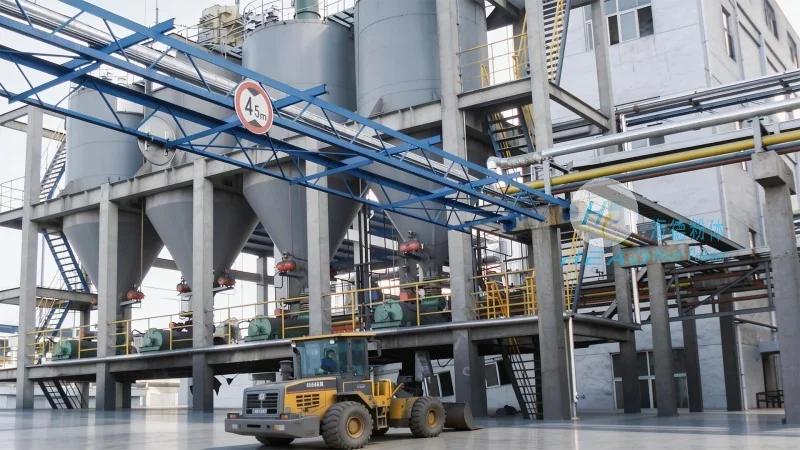
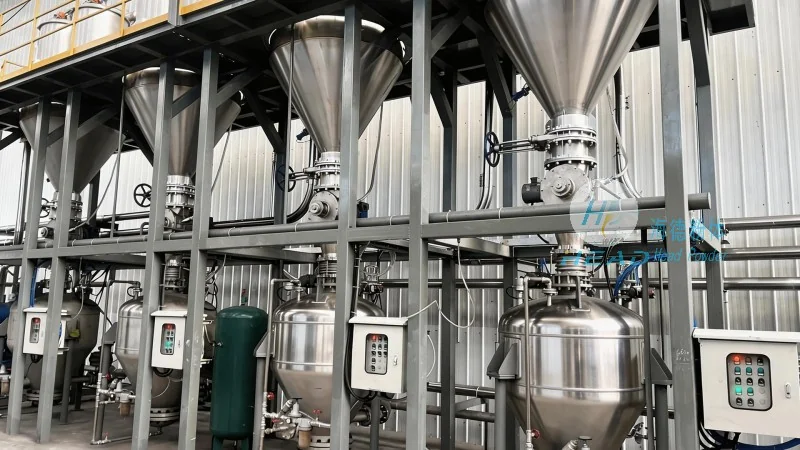
A pneumatic conveying system for dry yeast typically consists of several key components, each playing a vital role in the overall operation. The primary elements include the material feed hopper, the conveying line (either positive or negative pressure), the air supply system (blowers or compressors), and the dust collection and filtration units. The choice of these components is fundamental to the system's efficiency and suitability for yeast handling. For instance, the feed hopper must be designed to prevent yeast clumping and ensure a consistent flow rate, which is crucial for maintaining system performance. The conveying line's design, whether using positive or negative pressure, impacts the system's energy consumption and the distance over which yeast can be transported. Air supply systems must provide sufficient airflow while maintaining appropriate pressure levels to avoid material degradation or system inefficiencies. Dust collection and filtration are essential to comply with environmental regulations and protect the yeast product from contamination.
Key Design Considerations for Optimal Performance
Several critical factors must be considered during the design phase to ensure a dry yeast pneumatic conveying system operates at peak efficiency. First, the system's capacity and the required conveying distance are primary determinants. The design must account for the expected flow rate of yeast, which can vary based on production needs and the scale of the operation. For example, a large-scale industrial facility may require a higher capacity system compared to a smaller-scale production unit. The conveying distance also influences the choice of pressure type and the size of the conveying line. Positive pressure systems are often preferred for longer distances as they can maintain consistent pressure and airflow, reducing the risk of material blockages. Conversely, negative pressure systems are suitable for shorter distances and may be more cost-effective for smaller operations.
Second, material properties and handling characteristics are critical. Dry yeast is a fine, powdery substance that can be prone to agglomeration and dust generation. The design must incorporate features to prevent these issues, such as agitators in the feed hopper to break up clumps and maintain a uniform flow. Additionally, the conveying line must be constructed from materials that are compatible with yeast, avoiding any contamination from the system components. Stainless steel is commonly used for its corrosion resistance and hygiene properties, which are essential in food processing applications. The system's design must also consider the potential for product degradation due to high temperatures or excessive air velocity, as these can affect the yeast's quality and functionality.
System Integration and Control Strategies
Effective integration of the pneumatic conveying system with the overall production process is another key design consideration. The system must be able to interface with other equipment, such as mixers, reactors, and packaging machines, to ensure seamless material transfer. This integration requires careful planning of the system's layout and control interfaces. Control strategies are also vital for maintaining system efficiency and preventing operational issues. Automated control systems can monitor and adjust parameters like airflow, pressure, and feed rate in real-time, optimizing performance and reducing downtime. For instance, sensors can detect changes in material flow or pressure and trigger adjustments to maintain consistent operation. This level of automation not only improves efficiency but also enhances safety by preventing over-pressurization or material blockages.
Environmental and Regulatory Compliance
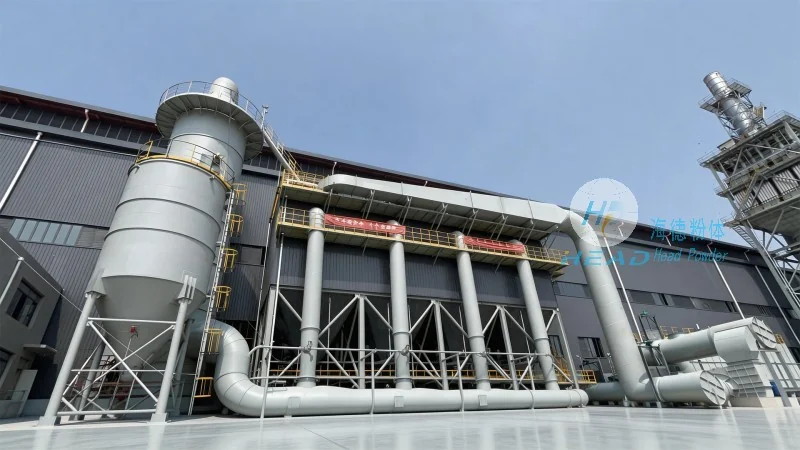
Compliance with environmental regulations and industry standards is a non-negotiable aspect of dry yeast pneumatic conveying system design. Dust emission control is a primary concern, as dry yeast can generate significant airborne particles. The system must include robust dust collection and filtration systems to capture and contain these particles, preventing environmental contamination and ensuring workplace safety. Filtration systems, such as cartridge filters or baghouses, are commonly used to achieve the required air quality standards. Additionally, the system must adhere to hygiene and sanitation standards, particularly in food processing applications. This includes easy-to-clean components, sealed connections to prevent contamination, and materials that are resistant to microbial growth. Compliance with these regulations not only protects the environment and workers but also ensures the product meets quality and safety requirements, which is critical for maintaining customer trust and market competitiveness.
Energy Efficiency and Cost Optimization
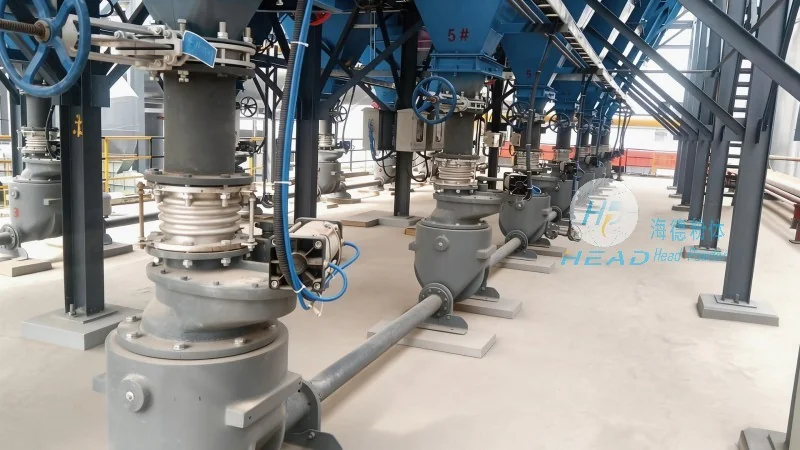
Energy efficiency is a significant factor in the long-term operation of a dry yeast pneumatic conveying system. The design must aim to minimize energy consumption while maintaining performance. This can be achieved through the selection of energy-efficient air supply equipment, such as high-efficiency blowers or compressors, and the optimization of system layout to reduce pressure losses. For example, minimizing the length of the conveying line and using smooth, well-insulated pipes can reduce energy consumption. Additionally, the system's control strategies can be optimized to operate at the most efficient settings, avoiding unnecessary energy use during idle periods. Cost optimization is also a key consideration, as the initial investment and ongoing operational costs must be balanced. The design must consider the total cost of ownership, including equipment maintenance, energy consumption, and potential downtime. By selecting durable components and implementing efficient control systems, the overall cost of operating the system can be reduced over its lifespan.
Conclusion: Ensuring Reliable and Efficient Dry Yeast Pneumatic Conveying
Designing a dry yeast pneumatic conveying system requires a comprehensive approach that considers multiple factors, from material properties to system integration and regulatory compliance. Shandong HeadPowder Engineering Co., Ltd. leverages its expertise to address these considerations, providing tailored solutions that meet the specific needs of each client. By focusing on key design principles such as component selection, material handling, control strategies, and environmental compliance, the company ensures that its dry yeast pneumatic conveying systems deliver optimal performance, reliability, and cost-effectiveness. As the demand for efficient and reliable industrial solutions in the food and beverage sector continues to grow, the importance of well-designed pneumatic conveying systems for dry yeast cannot be overstated. With a commitment to quality and innovation, headpowder remains at the forefront of providing advanced engineering solutions for its clients.




