HeadPowder, a leading engineering firm based in Shandong, China, specializes in the design and implementation of advanced pneumatic conveying systems tailored for epoxy resin applications. This article outlines key design considerations for such systems, emphasizing technical aspects that ensure efficiency, reliability, and safety in material handling processes.
Company Overview and Expertise
HeadPowder Engineering Co., Ltd. is a reputable company dedicated to providing comprehensive engineering solutions for material handling and processing. With a strong presence in Shandong, China, the company leverages years of industry experience to deliver customized pneumatic conveying systems that meet the specific needs of clients in various sectors, including manufacturing, chemical processing, and industrial production. The company’s expertise lies in understanding the unique properties of materials like epoxy resin and designing systems that optimize their transport, storage, and handling.
Key Design Considerations for Epoxy Resin Pneumatic Conveying Systems
The successful implementation of a pneumatic conveying system for epoxy resin hinges on several critical design factors. These considerations ensure that the system operates efficiently, maintains material integrity, and adheres to safety standards. The following points highlight the essential elements that engineers must evaluate during the design phase:
Material Properties and System Selection
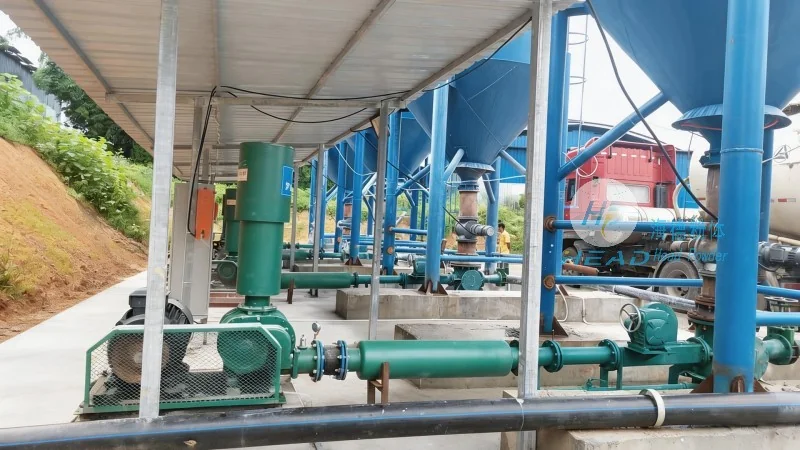
Epoxy resin is a viscous, thermosetting polymer that requires careful consideration of its physical and chemical properties when selecting a pneumatic conveying system. The system type—whether it is a pressure or vacuum system—depends on the resin’s flow characteristics, particle size, and the required conveying distance. For epoxy resin, which often has a higher viscosity compared to other powders, pressure systems are typically more suitable as they can handle the resistance better and maintain consistent flow rates. Engineers must also consider the resin’s sensitivity to moisture and temperature, as these factors can affect its performance during transport. The choice of system also impacts the equipment used, such as the type of blower, hopper design, and pipeline configuration, all of which are critical to the system’s overall efficiency.
System Sizing and Capacity Planning
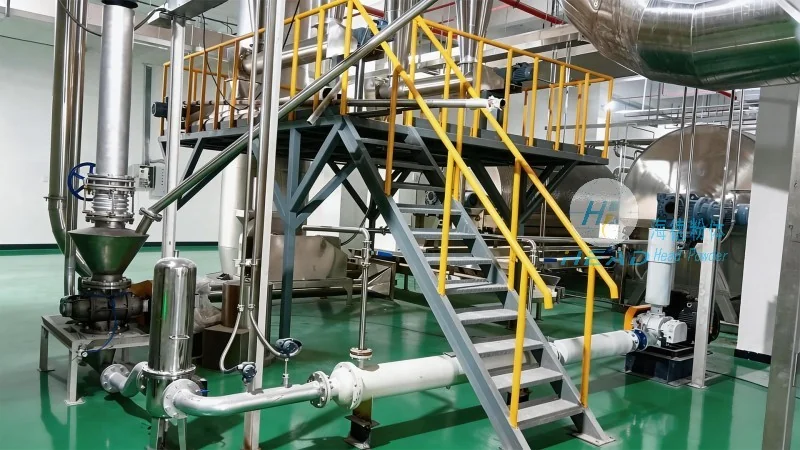
Accurate system sizing is crucial to ensure that the pneumatic conveying system can handle the required material throughput without excessive energy consumption or pressure drops. The design process involves calculating the required air volume, pressure, and power based on the resin’s bulk density, particle size distribution, and the distance between the source and destination points. Over-sizing the system can lead to unnecessary energy costs and increased maintenance, while under-sizing may result in poor material flow, blockages, or system failure. HeadPowder engineers use advanced computational tools and industry standards to determine the optimal system parameters, ensuring that the system operates within its design limits and meets the client’s production requirements.
Equipment Selection and Integration
The selection of individual components, such as the hopper, feeder, blower, and pipeline, is a critical step in the design process. The hopper design must prevent material bridging and ensure uniform material flow into the system. For epoxy resin, which can be prone to agglomeration, a hopper with a conical or wedge-shaped bottom and appropriate aeration features is recommended to maintain material mobility. The feeder, often a rotary valve or a loss-in-weight feeder, must be selected based on the resin’s flow characteristics and the required feeding rate. The blower or compressor must be capable of delivering the necessary air pressure and volume to overcome the resistance in the pipeline and maintain consistent material transport. Additionally, the pipeline design, including the use of smooth, corrosion-resistant materials like stainless steel or PTFE, is essential to prevent material buildup and ensure long-term system performance. The integration of these components must be seamless to avoid pressure losses and ensure the system operates efficiently.
Control Systems and Automation
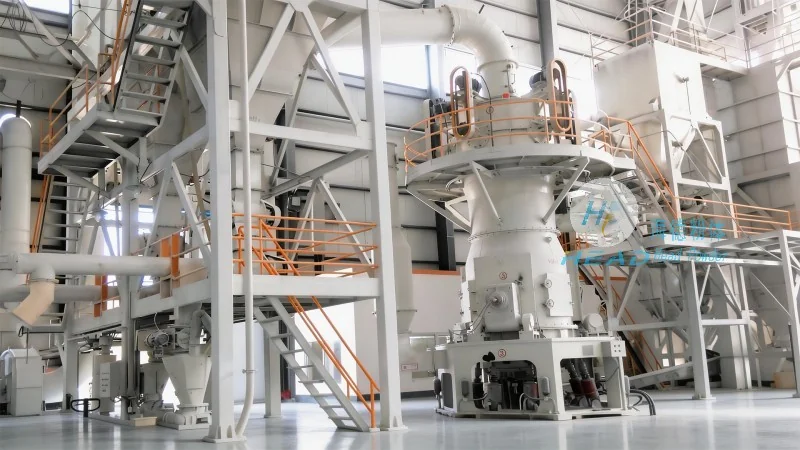
Modern pneumatic conveying systems for epoxy resin often incorporate advanced control systems to enhance operational efficiency and safety. These systems may include sensors to monitor material levels, pressure, and air flow, as well as automation controls to regulate the feeding rate and system operation. The control system can be integrated with the client’s existing production line to ensure seamless operation and data integration. Automation not only improves the system’s performance but also reduces the risk of human error, leading to more consistent material handling and reduced downtime. HeadPowder’s engineers design custom control systems that are tailored to the client’s specific needs, ensuring that the system operates reliably and efficiently.
Safety and Compliance Considerations
Safety is a paramount concern when designing pneumatic conveying systems for epoxy resin, as the material can be hazardous if not handled properly. The system must comply with relevant safety standards and regulations, such as those related to dust explosion prevention and material handling. Measures such as explosion-proof blower designs, dust collection systems, and proper ventilation are essential to ensure the safety of personnel and the environment. The design must also consider the potential for material leakage or spillage, with appropriate containment and cleanup procedures in place. Engineers must conduct thorough risk assessments to identify potential hazards and implement appropriate safety measures to mitigate them. Compliance with local and international standards is critical to ensure the system’s acceptance and operation in various markets.
Maintenance and Long-Term Performance
The design of a pneumatic conveying system for epoxy resin should also consider long-term maintenance and performance. Regular maintenance is essential to ensure the system operates at optimal levels and to prevent premature failure. The selection of durable materials for components, such as the hopper and pipeline, reduces the risk of corrosion and wear, extending the system’s lifespan. Additionally, the design should allow for easy access to components for inspection and maintenance, minimizing downtime. HeadPowder provides comprehensive maintenance services and support to clients, ensuring that the system remains in good working condition throughout its operational life. By focusing on maintenance-friendly design, the system can deliver consistent performance and reduce long-term operational costs.




