For industries dealing with wood fiber materials, the design of an efficient pneumatic conveying system is crucial. This article outlines the key considerations and design principles for implementing a reliable wood fiber pneumatic conveying system, presented by Shandong HeadPowder Engineering Co., Ltd., a leading provider in the field.
Understanding the Core Components of Pneumatic Conveying Systems
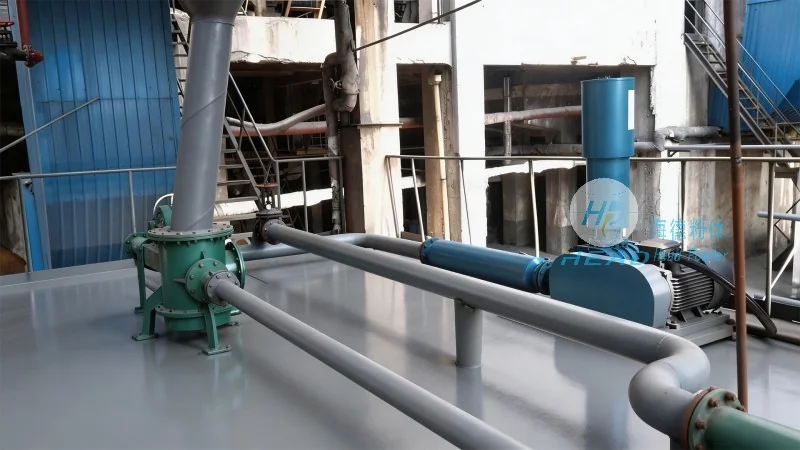
A pneumatic conveying system for wood fibers typically consists of several critical components. These include the material feed hopper, which ensures a consistent flow of wood fiber into the system. The air mover, often a blower or fan, provides the necessary pressure to transport the material through the pipeline. The pipeline itself, made from materials resistant to wood fiber abrasion and moisture, is essential for maintaining system efficiency. Additionally, the separation and collection equipment, such as cyclones or filters, are vital for cleaning the air and recovering the material. Each component must be carefully selected and integrated to ensure optimal performance and longevity of the system.
Key Design Considerations for Wood Fiber Pneumatic Conveying
When designing a wood fiber pneumatic conveying system, several factors must be taken into account. The first is the material characteristics of the wood fiber, including its bulk density, moisture content, and particle size distribution. These properties directly impact the air velocity and pressure required for effective transport. The system layout and pipeline configuration are also critical; longer or more complex systems may require additional air movers or pressure boosters to maintain material flow. Material handling capacity and throughput rates are other important considerations, as they determine the system's ability to meet production demands. Furthermore, the system's integration with existing processes and equipment must be considered to ensure seamless operation and minimal disruption.
Material Feed and Hopper Design
The material feed hopper is a critical component that influences the system's performance. It must be designed to handle the specific characteristics of wood fiber, such as its tendency to clump or create bridging issues. The hopper should be equipped with a suitable feeding mechanism, such as a rotary valve or screw feeder, to ensure a uniform and continuous flow of material into the system. The design of the hopper also affects the air intake and pressure distribution within the system. Proper hopper design minimizes material buildup and ensures consistent feed rates, which are essential for maintaining system efficiency and preventing blockages.
Air Mover Selection and System Pressure
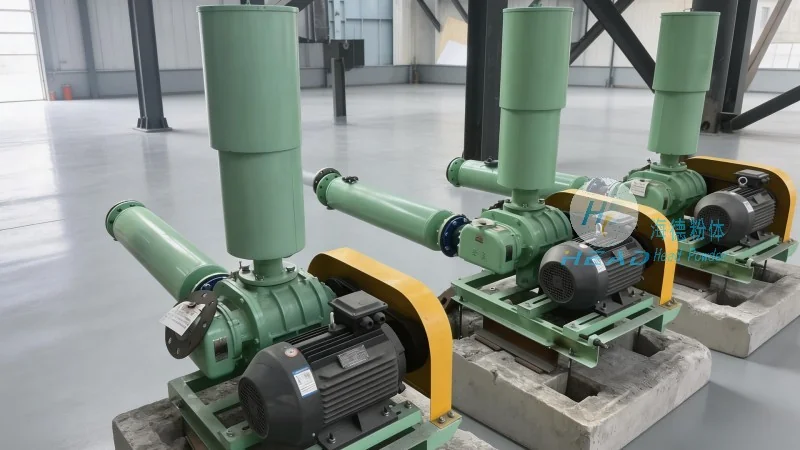
The air mover, or blower, is the heart of the pneumatic conveying system, responsible for generating the necessary pressure to transport wood fibers. The choice of air mover depends on the system's requirements, including the material's properties, pipeline length, and desired throughput. Centrifugal blowers are commonly used for high-volume, low-pressure applications, while positive displacement blowers are suitable for high-pressure, low-volume systems. The system pressure must be carefully calculated to ensure that the material is transported efficiently without excessive energy consumption. Proper air mover selection and system pressure management are crucial for optimizing the system's performance and reducing operational costs.
Pipeline Design and Material Handling
The pipeline design is a critical aspect of the system, as it directly impacts the material's transport efficiency and system longevity. The pipeline must be constructed from materials that are resistant to the abrasive nature of wood fibers and can withstand the system's operating pressure. Common materials include stainless steel, polyethylene, or specialized coatings. The pipeline layout should be designed to minimize bends and changes in direction, as these can cause pressure losses and increase the risk of material blockages. Additionally, the pipeline should be equipped with appropriate fittings and valves to allow for system maintenance and adjustments. Proper pipeline design ensures that the wood fibers are transported smoothly and efficiently, reducing the risk of system downtime and maintenance costs.
Separation and Collection Equipment
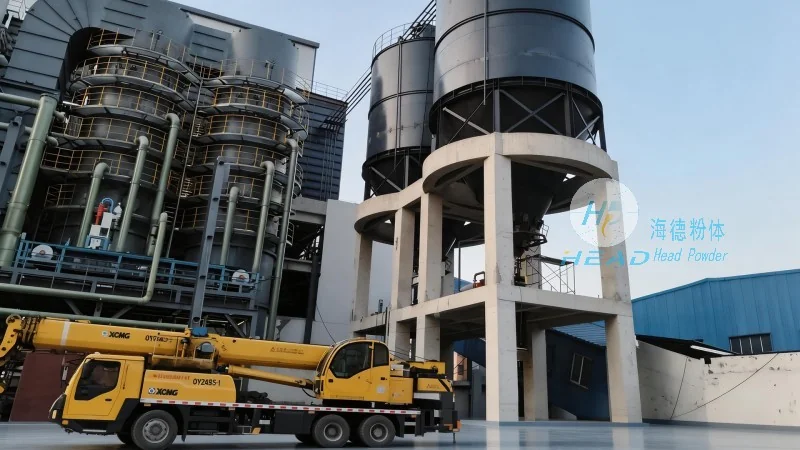
After the wood fibers are transported through the pipeline, they need to be separated from the air and collected. This is typically achieved using separation equipment such as cyclones or filters. Cyclones use centrifugal force to separate the material from the air, while filters use a mesh or other media to trap the particles. The choice of separation equipment depends on the material's properties and the system's requirements. Proper separation and collection equipment ensures that the wood fibers are recovered efficiently and that the air is cleaned before being discharged. This not only improves system performance but also helps maintain environmental compliance and reduces the risk of material loss.
System Integration and Maintenance
Integrating the pneumatic conveying system with existing processes and equipment is essential for ensuring seamless operation. The system must be designed to work in conjunction with other machinery, such as processing equipment or storage facilities. Proper integration minimizes the need for manual handling and reduces the risk of material contamination. Additionally, regular maintenance is crucial for maintaining the system's performance and longevity. This includes inspecting and cleaning components, checking for wear and tear, and performing routine tests. Regular maintenance helps prevent system failures and reduces the need for costly repairs. By following proper maintenance procedures, the system can operate efficiently for extended periods, ensuring consistent performance and meeting production demands.




