HeadPowder, a leading engineering firm based in Shandong, China, specializes in the design and implementation of advanced pneumatic conveying systems tailored for handling quartz sand particles. This article outlines key design considerations for developing effective quartz sand particle pneumatic conveying solutions, ensuring optimal performance, efficiency, and reliability in industrial applications.
System Overview and Core Components
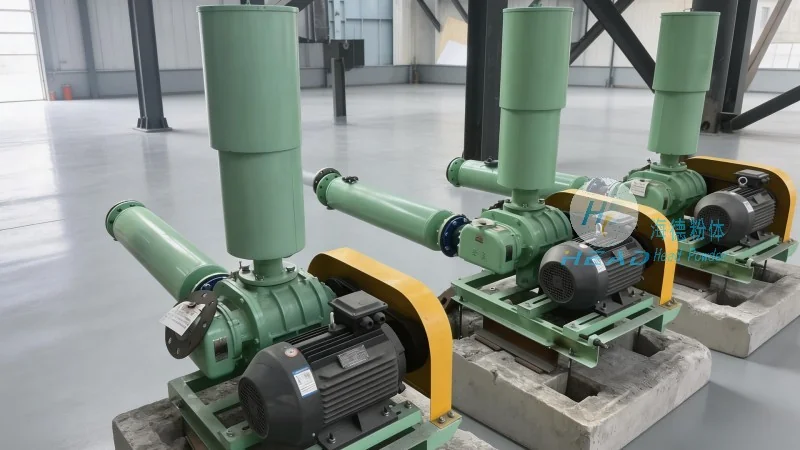
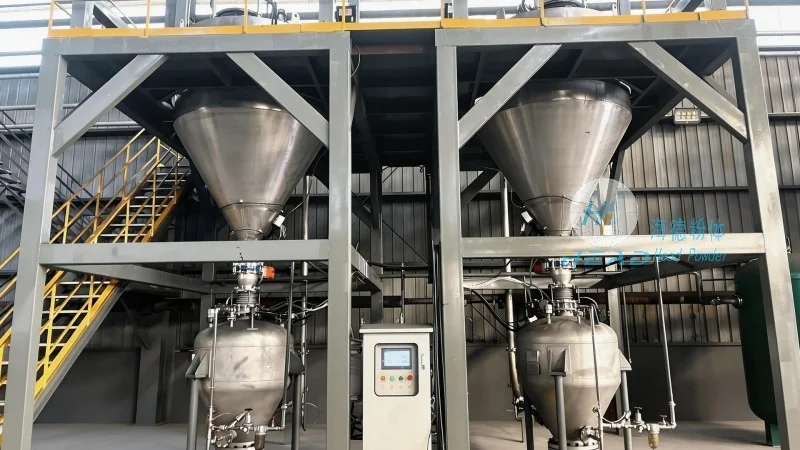
The quartz sand particle pneumatic conveying system is a sophisticated mechanism that utilizes air pressure to transport dry, granular materials like quartz sand. At its core, the system comprises several critical components, including a feeding hopper, a conveyor line, a separation unit, and a control panel. The feeding hopper is responsible for storing and metering the quartz sand, ensuring a consistent flow into the system. The conveyor line, typically made of durable materials such as stainless steel or corrosion-resistant alloys, transports the sand through the system under controlled air pressure. The separation unit, often a cyclone or a bag filter, separates the conveyed material from the air stream, preventing dust and maintaining air quality. The control panel manages the entire operation, regulating air pressure, flow rates, and system safety features.
Key Design Considerations for Quartz Sand Handling
Designing an effective quartz sand particle pneumatic conveying system requires careful consideration of several factors to ensure optimal performance. First, the particle size and density of the quartz sand are critical parameters. Quartz sand particles typically range from fine powders to coarse granules, with densities varying between 2.6 to 2.7 g/cm³. The system design must accommodate these variations to prevent blockages or excessive wear on components. Second, the air velocity and pressure within the conveyor line are crucial. Proper air velocity ensures that the sand particles are entrained and transported efficiently without causing excessive pressure drops or energy consumption. The pressure levels are typically maintained between 0.5 to 1.5 bar, depending on the system length and particle characteristics. Third, material compatibility and equipment durability are essential. Quartz sand is abrasive and can cause wear on metal surfaces. Therefore, components such as the conveyor line, elbows, and valves are often constructed from high-quality stainless steel or specialized alloys to withstand the abrasive nature of the material. Additionally, the system must incorporate features like vibration or pulsation to prevent material buildup and maintain consistent flow.
System Efficiency and Energy Management
Efficiency is a primary concern in quartz sand particle pneumatic conveying system design. The system must minimize energy consumption while maximizing throughput. This involves optimizing air pressure and velocity to achieve the desired flow rates without excessive energy use. The use of energy-efficient motors and variable frequency drives (VFDs) helps regulate air flow and pressure, reducing operational costs. Furthermore, the design should incorporate features that reduce air leakage and pressure losses, such as well-sealed connections and properly sized components. Regular maintenance and monitoring of system performance are also critical to maintaining efficiency over time. By implementing these measures, the system can achieve high throughput with minimal energy expenditure, making it a cost-effective solution for industrial applications.
Safety and Environmental Considerations
Safety and environmental compliance are paramount in the design of quartz sand particle pneumatic conveying systems. The system must adhere to relevant safety standards and regulations to protect operators and the environment. Dust control is a significant aspect, as quartz sand is a fine particulate that can cause respiratory issues if inhaled. The system typically includes dust collection and filtration systems, such as cyclones or bag filters, to capture and remove dust from the air stream. These systems ensure that the air released into the environment is clean and compliant with local regulations. Additionally, the system must incorporate safety features like pressure relief valves, emergency shut-off switches, and interlocks to prevent accidents and ensure safe operation. Proper training for operators and regular safety inspections are also essential to maintain a safe working environment.
Application and Customization
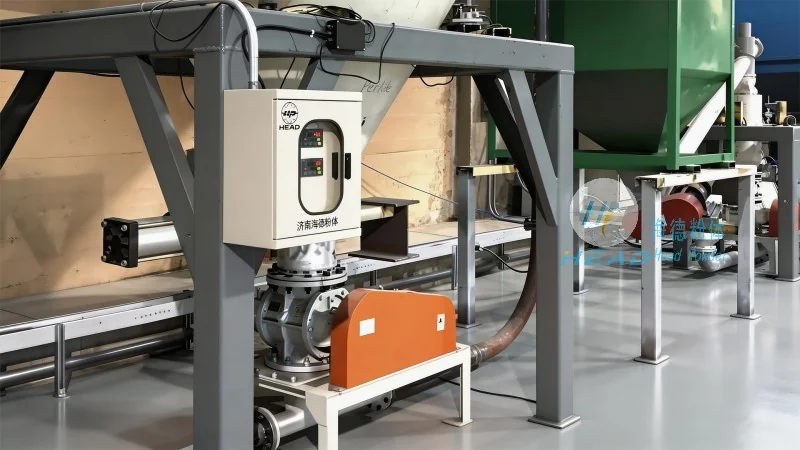
Quartz sand particle pneumatic conveying systems are widely used in various industrial sectors, including mining, construction, and manufacturing. The systems are designed to handle large volumes of quartz sand efficiently, supporting processes such as material transport, blending, and storage. The flexibility of the system allows for customization to meet specific application requirements. For example, the system can be scaled to handle different throughput capacities, from small-scale operations to large industrial plants. The design can also be adapted to accommodate different particle sizes and densities, ensuring compatibility with various quartz sand types. Customization may include adjustments to the conveyor line length, the number of separation units, or the control panel features to optimize performance for a particular application. This adaptability makes the system suitable for a wide range of industrial needs, from small-scale operations to large-scale production facilities.
Conclusion
Designing a quartz sand particle pneumatic conveying system requires a comprehensive approach that considers material properties, system components, efficiency, safety, and environmental factors. By addressing these key design considerations, engineers can develop effective solutions that ensure optimal performance, reliability, and cost-effectiveness. HeadPowder, with its expertise in engineering and system design, provides tailored solutions that meet the specific needs of industrial clients. The company's commitment to quality and innovation ensures that clients receive systems that are efficient, safe, and environmentally compliant, supporting their operational goals and enhancing productivity.




