

Classification and Composition of Rare Earth Powder Pneumatic Conveying Systems
For industries dealing with rare earth powders, efficient and reliable material handling is crucial. The pneumatic conveying system is a key technology that enables the safe and effective transport of these fine particles. This article provides an overview of the classification and essential components of rare earth powder pneumatic conveying systems, highlighting the expertise of Shandong HeadPowder Engineering Co., Ltd. from China.
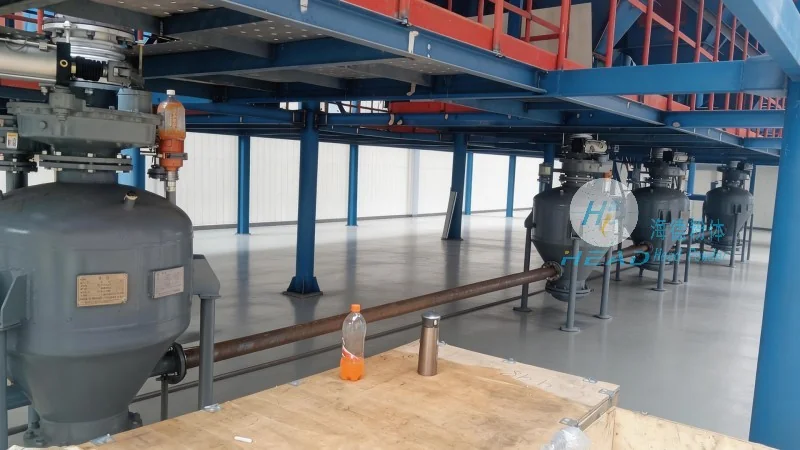
Introduction to Rare Earth Powder Pneumatic Conveying
Rare earth powders, such as neodymium, praseodymium, and cerium, are widely used in high-tech applications due to their unique magnetic and optical properties. However, their fine particle size and potential for dust generation make traditional handling methods less suitable. Pneumatic conveying systems offer a solution by using air to transport these powders through pipelines, ensuring minimal contamination and loss. The effectiveness of these systems depends on proper classification and design, tailored to the specific characteristics of the rare earth materials being handled.
Classification of Rare Earth Powder Pneumatic Conveying Systems
There are two primary classifications of pneumatic conveying systems based on the pressure within the system: positive pressure and negative pressure systems. Each type has distinct characteristics and applications that influence the choice for rare earth powder handling.
Positive Pressure Pneumatic Conveying Systems
Positive pressure systems operate by blowing air into the conveying line, creating a pressure higher than the ambient air. This method is suitable for transporting powders over longer distances and through complex pipeline networks. For rare earth powders, positive pressure systems are often preferred when the material is abrasive or when the system needs to handle large volumes. The system typically includes a blower, a hopper for material storage, and a control valve to regulate the flow. The blower provides the necessary air pressure to move the powder particles, and the hopper ensures a consistent feed rate. The control valve allows for precise adjustment of the conveying rate, which is critical for maintaining the quality of the rare earth powder during transport.
Negative Pressure Pneumatic Conveying Systems
Negative pressure systems, also known as vacuum conveying systems, operate by creating a vacuum in the conveying line, drawing the powder from the source into the system. This method is ideal for applications where the material needs to be transported from a lower elevation or when the system is designed to handle fine powders that are prone to dust. Negative pressure systems are commonly used in rare earth powder handling when the material is sensitive to air exposure or when the process requires a clean environment. The system includes a vacuum pump, a collection hopper, and a filter to capture any airborne particles. The vacuum pump creates the necessary suction to draw the powder into the pipeline, while the filter ensures that the air released is clean and free from dust. The collection hopper stores the material until it is ready for further processing.
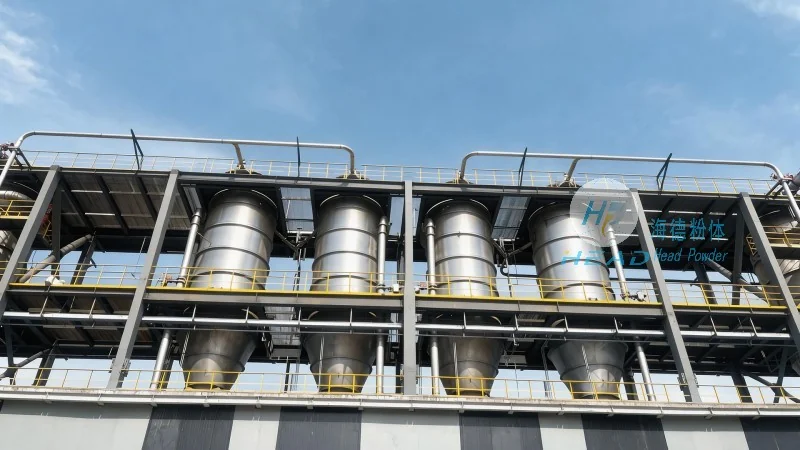
Key Components of Rare Earth Powder Pneumatic Conveying Systems
Regardless of the system type, several essential components are integral to the operation of rare earth powder pneumatic conveying systems. These components work together to ensure efficient and reliable transport of the material.
Conveying Pipeline
The pipeline is the main structure of the pneumatic conveying system, responsible for transporting the rare earth powder from the source to the destination. The material is typically conveyed through stainless steel or plastic pipes, which are chosen based on the properties of the powder and the operating conditions. Stainless steel is preferred for its corrosion resistance and ability to handle abrasive materials, while plastic pipes are used for non-abrasive powders and in applications where chemical resistance is required. The pipeline is designed with appropriate bends and fittings to minimize pressure loss and ensure smooth flow of the powder particles. The diameter of the pipeline is determined based on the flow rate and the particle size of the rare earth powder, as larger particles require larger diameters to prevent blockages.
Blower or Vacuum Pump
The blower or vacuum pump is the power source of the pneumatic conveying system, providing the necessary air pressure or suction to move the powder. For positive pressure systems, a positive displacement blower or a centrifugal fan is used to generate the required pressure. The blower is selected based on the system's pressure requirements and the volume of material to be conveyed. For negative pressure systems, a vacuum pump is used to create the suction. The pump's capacity and pressure rating are critical factors in determining the system's performance. The choice of blower or pump depends on the specific characteristics of the rare earth powder, such as its density, flowability, and dust generation potential.
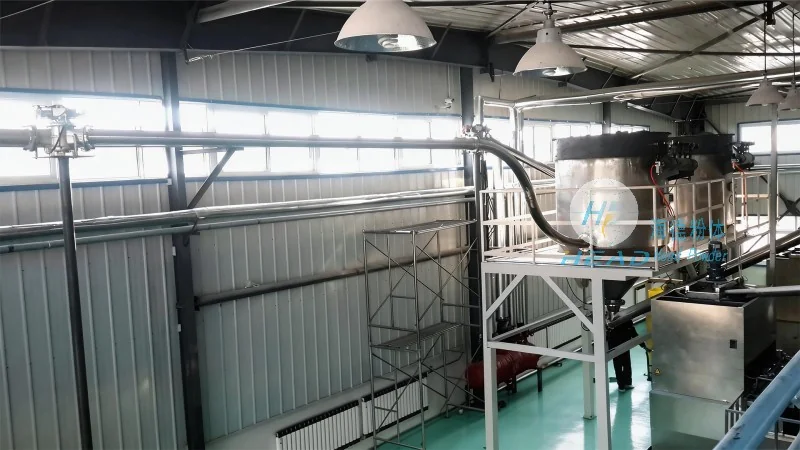
Material Feed and Storage
The material feed and storage components are responsible for supplying the rare earth powder to the conveying system. This includes a hopper or a feeder that holds the material and a control mechanism to regulate the feed rate. The hopper is typically made of stainless steel or other corrosion-resistant materials to prevent contamination of the powder. The feeder may be a rotary valve, a screw feeder, or a vibratory feeder, depending on the flow characteristics of the rare earth powder. The control system ensures that the feed rate is consistent and matches the conveying capacity of the system, preventing overloading or underloading of the pipeline. This is particularly important for rare earth powders, as variations in feed rate can affect the quality of the final product.
Control and Monitoring Systems
The control and monitoring systems are essential for ensuring the safe and efficient operation of the pneumatic conveying system. These systems include sensors, valves, and a control panel that monitors the pressure, flow rate, and temperature of the system. The sensors detect any abnormalities, such as blockages or pressure drops, and trigger alarms or shutdown procedures to prevent damage to the equipment. The control panel allows operators to adjust the system parameters, such as the blower speed or feed rate, to optimize the conveying process. For rare earth powder handling, the control system is crucial for maintaining the purity of the material and preventing contamination. The system may also include a dust collection system to capture any airborne particles and ensure a clean working environment.
Applications and Benefits of Rare Earth Powder Pneumatic Conveying
Rare earth powder pneumatic conveying systems are widely used in various industries, including electronics, automotive, and aerospace. The systems are particularly beneficial for handling fine powders that are difficult to transport using traditional methods. The benefits of using pneumatic conveying systems for rare earth powders include improved safety, reduced material loss, and increased efficiency. The systems can handle large volumes of material over long distances, reducing the need for manual handling and minimizing the risk of dust exposure. Additionally, the systems are designed to maintain the quality of the rare earth powder, ensuring that the final product meets the required specifications. The use of positive or negative pressure systems depends on the specific application and the characteristics of the powder being handled.
About Shandong HeadPowder Engineering Co., Ltd.
Shandong HeadPowder Engineering Co., Ltd., operating under the brand name headpowder, is a leading provider of pneumatic conveying systems for rare earth powders. With a focus on innovation and quality, the company specializes in designing and manufacturing systems tailored to the unique needs of the rare earth industry. HeadPowder's expertise lies in understanding the properties of rare earth materials and developing solutions that ensure efficient, safe, and reliable transport. The company's systems are built with high-quality components and are designed to meet the strictest industry standards. HeadPowder serves clients in China and around the world, providing customized solutions that enhance productivity and reduce operational costs. The company's commitment to customer satisfaction and technical excellence has made it a trusted partner in the rare earth powder handling industry.