Iron oxide powder pneumatic conveying systems are widely used in industrial applications for the efficient transport of iron oxide powders. As a leading manufacturer in Shandong, China, Shandong HeadPowder Engineering Co., Ltd. specializes in providing comprehensive solutions for these systems, ensuring optimal performance and reliability. This article explores the classification and key components of such systems, tailored to the unique characteristics of iron oxide powders.
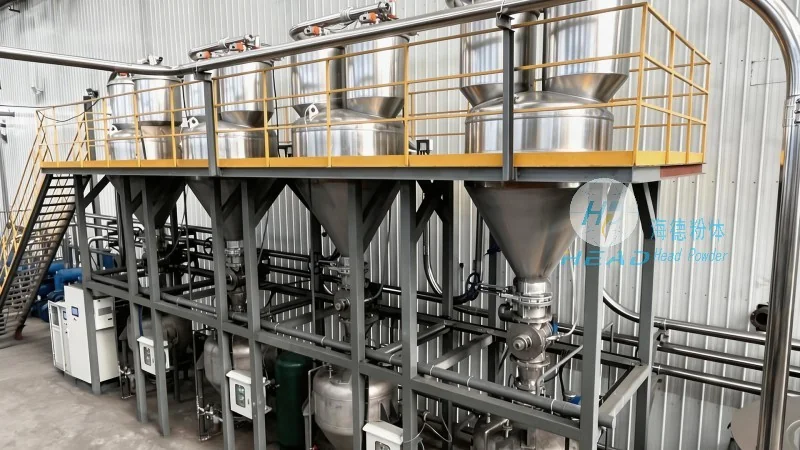
Classification of Iron Oxide Powder Pneumatic Conveying Systems
Iron oxide powder pneumatic conveying systems can be broadly classified into two main categories based on the conveying medium and particle concentration: dilute-phase and dense-phase systems. Each type is designed to address specific operational requirements and material properties. For iron oxide powders, the particle size and density significantly influence the choice between dilute-phase and dense-phase systems. Fine iron oxide powders (e.g., sub-micron particles) tend to behave like dust in air, making dilute-phase systems more suitable due to their ability to handle fine particles with high air velocities. However, coarse iron oxide powders (e.g., larger than 100 microns) may benefit from dense-phase systems, as they can be transported more efficiently with lower air consumption. The density of iron oxide (approximately 5 g/cm³) also affects the system's pressure requirements, as denser materials require higher air pressures to maintain flow.
Dilute-phase systems operate at low particle concentrations, typically ranging from 1% to 10% by volume. These systems rely on high-velocity air to transport particles through the pipeline. They are suitable for materials with low dust explosion risks and where long-distance transport is required. The primary advantage of dilute-phase systems is their ability to handle large volumes of material with relatively low pressure drops. However, they may require larger air volumes and higher energy consumption compared to dense-phase systems. Dense-phase systems, on the other hand, operate at high particle concentrations, often exceeding 50% by volume. These systems use compressed air or other pressurized gases to push the material through the pipeline. Dense-phase conveying is ideal for materials that are sensitive to high velocities or for applications where precise control of material flow is critical. The key benefits include reduced air consumption, lower energy costs, and improved material handling for fine powders like iron oxide. Dense-phase systems typically involve a pressure vessel or a positive displacement pump to maintain the material's flow.
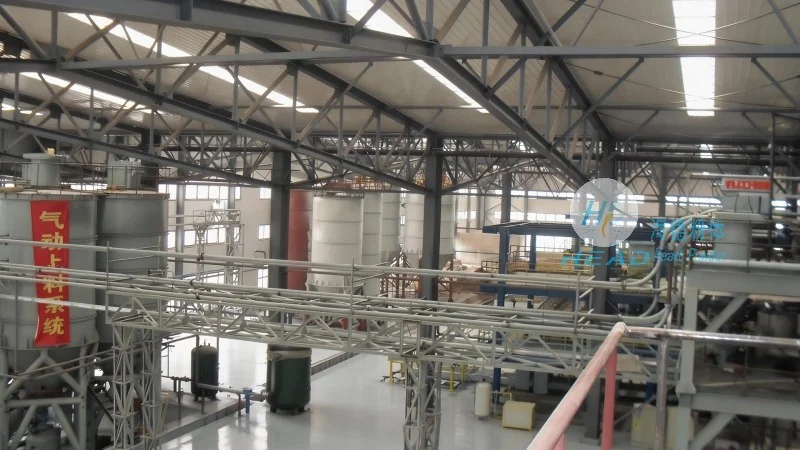
Key Components of Iron Oxide Powder Pneumatic Conveying Systems
The effective operation of an iron oxide powder pneumatic conveying system depends on several critical components, each designed to handle the specific challenges of iron oxide powders. These components work in concert to ensure efficient, safe, and reliable material transport.
1. Feeding Equipment: The feeding system is responsible for introducing iron oxide powder into the conveying line. Common feeding devices include screw feeders, star valves, and rotary valves. Screw feeders are widely used for their ability to handle a wide range of powder types and flow rates. Star valves are preferred for their precise control over material discharge, making them suitable for applications requiring accurate dosing. Rotary valves, often equipped with air seals, provide airtight feeding and prevent material leakage, which is crucial for maintaining system efficiency and preventing contamination. For iron oxide powders that are hygroscopic or cohesive, the feeding equipment may include additional features such as drying units or modified sealing mechanisms to prevent clumping or moisture absorption.
2. Conveying Pipeline: The pipeline is the backbone of the pneumatic conveying system, responsible for transporting iron oxide powder from the feeding point to the destination. The choice of pipeline material is critical, as iron oxide powders can be abrasive and corrosive. Stainless steel (e.g., 316L) is commonly used due to its resistance to corrosion and wear. The pipeline design, including diameter and length, is optimized to minimize pressure drop and ensure smooth material flow. Properly sized and supported pipelines prevent sagging and maintain consistent air velocity, which is essential for maintaining the desired conveying conditions. For long-distance conveying, the pipeline may include expansion joints or flexible connectors to accommodate thermal expansion and reduce stress on the system.
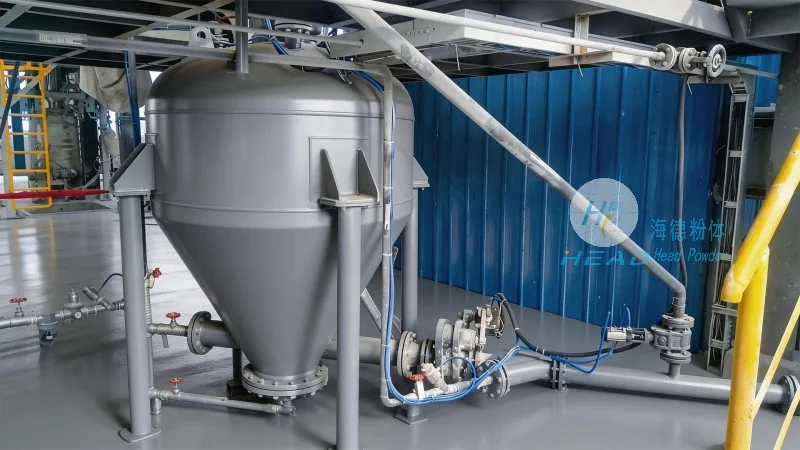
3. Separation and Collection Equipment: At the receiving end of the system, separation and collection equipment are used to separate iron oxide powder from the conveying air. This is typically achieved using a combination of devices, such as cyclone separators and baghouse filters. Cyclone separators use centrifugal force to separate particles from the air stream, while baghouse filters capture fine particles through a fabric media. The selection of separation equipment depends on the particle size and concentration of the iron oxide powder. For fine iron oxide powders (e.g., less than 10 microns), a baghouse filter may be necessary to achieve high collection efficiency, ensuring that minimal material is lost to the environment and that the system operates within regulatory compliance. The cyclone separator is often placed upstream of the baghouse filter to remove larger particles, reducing the load on the filter and extending its service life.
4. Control System: The control system monitors and regulates the operation of the pneumatic conveying system to maintain optimal performance. This includes sensors for pressure, flow rate, and temperature, as well as control valves and pumps. The control system ensures that the conveying air pressure and flow rate are maintained at the correct levels, preventing overloading or underloading of the system. It also provides alerts for any abnormalities, such as pressure drops or air leaks, allowing for timely maintenance and preventing system failures. Advanced control systems may incorporate automation features, such as PLC (Programmable Logic Controller) integration, to enhance operational efficiency and reduce human intervention. The control system may also include a feedback loop that adjusts the feeding rate based on the receiving tank level, ensuring that the system operates at a consistent and efficient rate.




