Shandong HeadPowder Engineering Co., Ltd., commonly known as HeadPowder, is a professional manufacturer specializing in the design, development, and production of pneumatic conveying systems for alumina crystals. The company is headquartered in Shandong, China, and has established a strong presence in the industry with its advanced technology and reliable products. HeadPowder's systems are engineered to meet the specific needs of clients in the alumina processing sector, ensuring efficient and safe material handling.
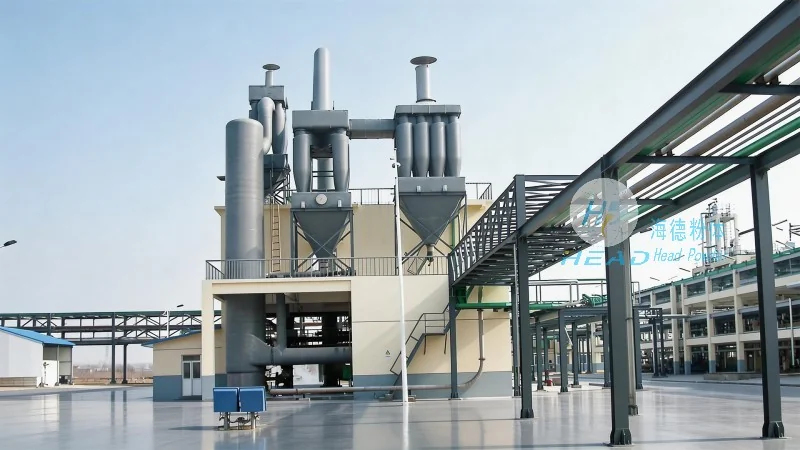
Overview of Alumina Crystal Pneumatic Conveying Systems
Alumina crystal pneumatic conveying systems are essential equipment used in the alumina production and processing industry. These systems are designed to transport alumina crystals from one location to another using air as the conveying medium. The primary goal of such systems is to achieve efficient, low-cost, and safe material transport, minimizing the risk of material degradation and ensuring consistent product quality. The classification of these systems is based on the pressure differential between the conveying line and the ambient environment, which can be broadly categorized into positive pressure, negative pressure, and mixed pressure systems.
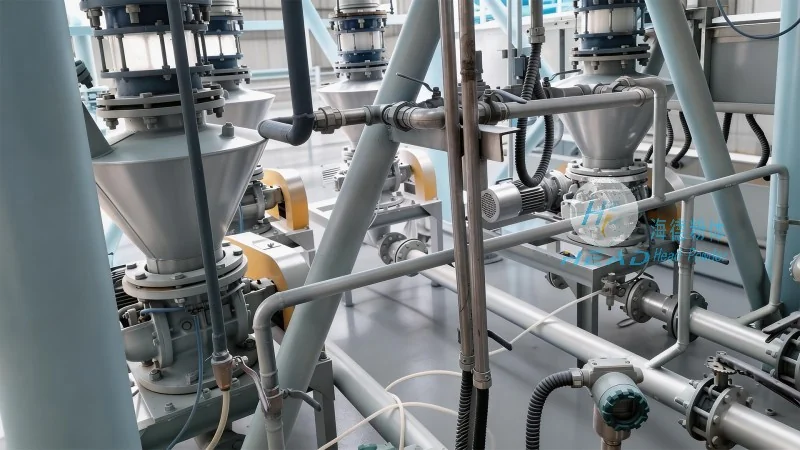
Classification of Pneumatic Conveying Systems
Positive pressure systems operate by introducing compressed air into the conveying line, creating a pressure higher than the ambient air pressure. This type of system is suitable for long-distance and high-capacity transport of alumina crystals. The system typically includes a blower, a hopper, a feeder, and a pipeline network. The compressed air pushes the alumina crystals through the pipeline, ensuring a continuous flow. Negative pressure systems, on the other hand, create a vacuum in the conveying line, drawing the material from the source. This method is ideal for short-distance transport and applications where dust control is a priority. The system consists of a vacuum pump, a hopper, a feeder, and a filter to capture any airborne particles. Mixed pressure systems combine elements of both positive and negative pressure, offering flexibility in conveying different types of alumina crystals with varying properties.
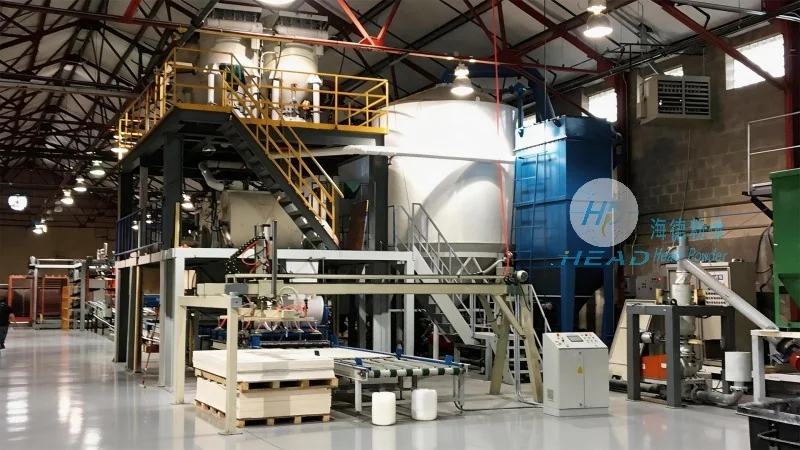
Key Components of Alumina Crystal Pneumatic Conveying Systems
The composition of an alumina crystal pneumatic conveying system involves several critical components that work together to ensure optimal performance. The first component is the blower or vacuum pump, which provides the necessary air pressure or vacuum. The second component is the hopper, where the alumina crystals are stored before being fed into the system. The hopper is designed to maintain the material's flowability and prevent clogging. The third component is the feeder, which controls the rate of material discharge from the hopper. The feeder can be a rotary valve, a screw feeder, or a vibratory feeder, depending on the material's characteristics. The fourth component is the pipeline network, which consists of straight and curved sections, elbows, and tees. The pipeline is usually made of stainless steel or other corrosion-resistant materials to handle the alumina crystals and the air. The fifth component is the separation and filtration system, which includes a cyclone separator and a bag filter. The cyclone separator removes larger particles from the air stream, while the bag filter captures fine dust particles, ensuring clean air discharge and preventing environmental pollution. The final component is the control system, which monitors and regulates the operation of the entire system, including the blower speed, feeder rate, and pressure levels. The control system is typically equipped with sensors and a programmable logic controller (PLC) to ensure safe and efficient operation.
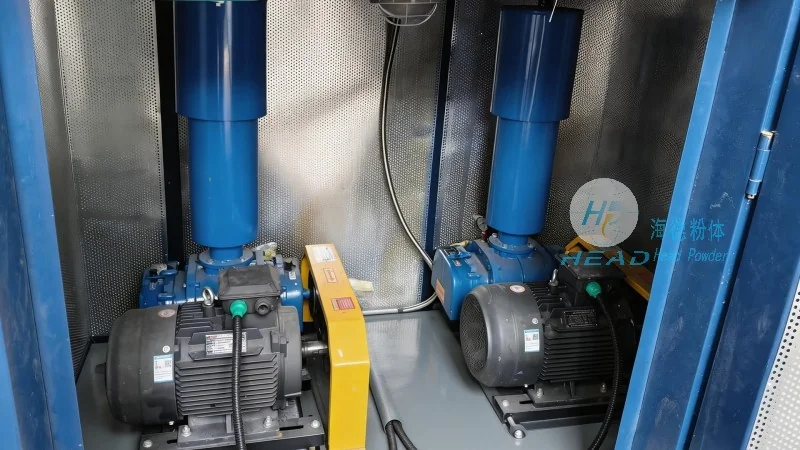
Applications and Benefits of Alumina Crystal Pneumatic Conveying Systems
Alumina crystal pneumatic conveying systems are widely used in various applications within the alumina industry. These systems are commonly employed in alumina refineries, where they transport raw alumina from storage silos to processing units. They are also used in alumina packing plants, where they convey the final product to packaging lines. Additionally, these systems are utilized in research and development facilities, where they handle small batches of alumina crystals for testing and analysis. The benefits of using pneumatic conveying systems for alumina crystals include reduced labor costs, improved safety by eliminating manual handling, and increased efficiency by minimizing material loss and degradation. The systems also provide a clean and dust-free environment, which is crucial for maintaining product quality and complying with environmental regulations. Furthermore, the flexibility of pneumatic conveying systems allows for easy integration with existing production lines, making them a cost-effective solution for alumina processing facilities.




