

[Sodium Sulfate Powder Pneumatic Conveying System Analysis]
HeadPowder, a leading engineering firm based in Shandong, China, specializes in the design and implementation of advanced pneumatic conveying systems for various industrial applications. This article provides an in-depth analysis of a sodium sulfate powder pneumatic conveying system, highlighting key components, operational principles, and practical applications.
Introduction to Sodium Sulfate Powder Pneumatic Conveying
Sodium sulfate, commonly known as Glauber's salt, is a widely used industrial chemical in sectors such as paper manufacturing, glass production, and chemical processing. The efficient and reliable transport of sodium sulfate powder from storage to processing units is critical for maintaining production efficiency and minimizing material loss. Pneumatic conveying systems offer a solution by utilizing air or gas to transport bulk materials like sodium sulfate powder, eliminating the need for mechanical components and reducing the risk of contamination.
Key Components of the Pneumatic Conveying System
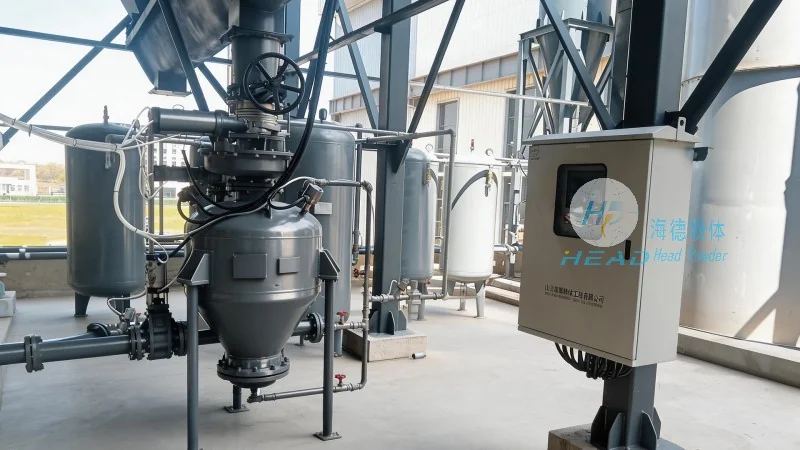
The sodium sulfate powder pneumatic conveying system designed by HeadPowder Engineering Co., Ltd. comprises several essential components that work in tandem to ensure smooth material transport. These include a hopper for material storage, a rotary airlock valve to control material flow, a conveying line (typically made of stainless steel or plastic to prevent corrosion), a dust collector to capture airborne particles, and a receiver for the discharged material. Each component is strategically selected to meet the specific requirements of sodium sulfate powder, which is hygroscopic and can be prone to clumping under certain conditions.
Operational Principles and System Design
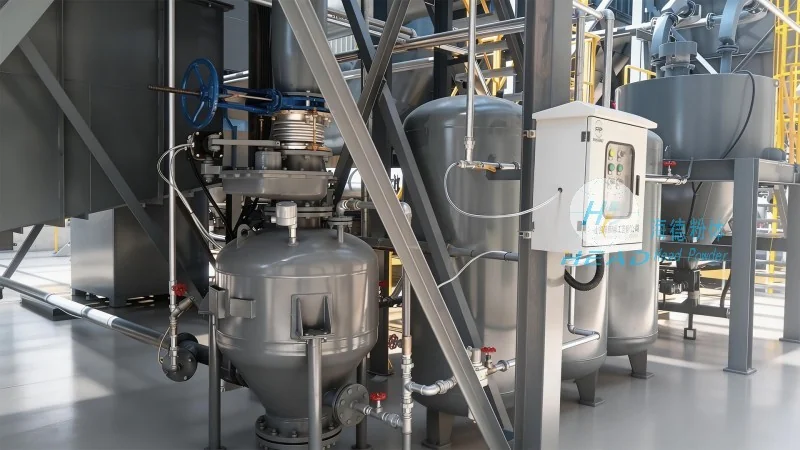
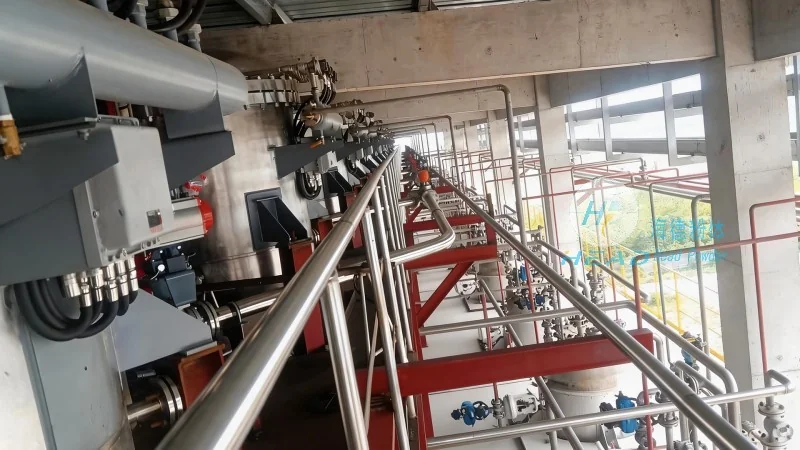
The system operates on the principle of creating a pressure differential between the inlet and outlet of the conveying line. By injecting air or gas into the hopper, the material is entrained and carried through the pipeline to the receiver. The design of the system takes into account factors such as material density, particle size distribution, and the required conveying distance. For sodium sulfate powder, which has a relatively low bulk density compared to other powders, the system may incorporate a positive displacement blower or a high-pressure air compressor to achieve the necessary flow rates. The use of stainless steel in the conveying line is crucial to prevent corrosion from the sulfate compounds, ensuring long-term durability and system reliability.
Advantages of Pneumatic Conveying for Sodium Sulfate
Compared to traditional mechanical conveying methods, pneumatic conveying offers several advantages for sodium sulfate powder handling. These include reduced material degradation due to minimal mechanical contact, lower risk of cross-contamination between different batches, and the ability to transport materials over longer distances without the need for intermediate storage. Additionally, the system can be easily integrated with other processing equipment, such as mixers or reactors, to form a seamless production line. The energy efficiency of the system, particularly when using low-pressure air, makes it a cost-effective solution for large-scale sodium sulfate processing facilities.
Application Examples and Case Studies
HeadPowder Engineering has successfully implemented sodium sulfate powder pneumatic conveying systems in various industrial settings. For instance, in a paper mill, the system was used to transport sodium sulfate from bulk storage to the chemical preparation area, where it is mixed with other chemicals to adjust the paper's pH. In another application, the system was integrated into a glass manufacturing plant to supply sodium sulfate to the melting furnace, where it acts as a flux to lower the melting point of silica. These case studies demonstrate the versatility and effectiveness of the system in different industrial environments.
Maintenance and Operational Considerations
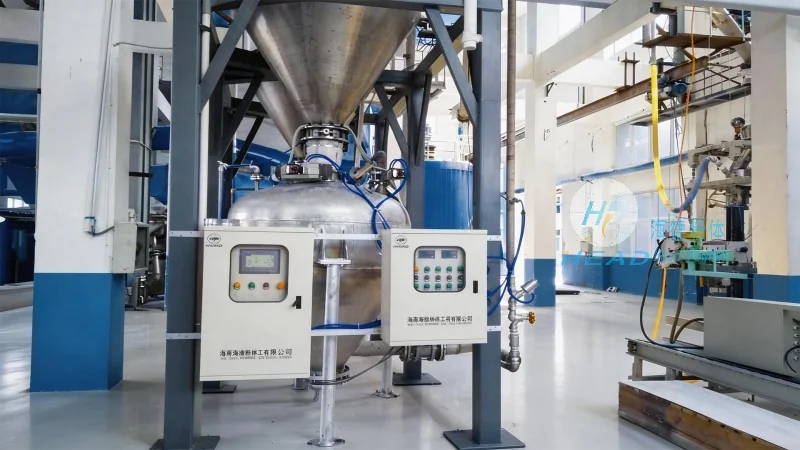
To ensure the longevity and optimal performance of the sodium sulfate powder pneumatic conveying system, regular maintenance is essential. This includes cleaning the conveying line and hopper to prevent material buildup and corrosion, inspecting the rotary airlock valve and dust collector for wear and tear, and monitoring the air pressure and flow rates. The hygroscopic nature of sodium sulfate means that the system must be designed to minimize exposure to moisture, as moisture can cause clumping and blockages in the pipeline. Proper sealing of the system components and the use of desiccant in the air supply can help mitigate this issue. Additionally, the system should be equipped with safety features such as pressure relief valves and dust explosion suppression systems to comply with industrial safety regulations.
Conclusion
HeadPowder Engineering Co., Ltd., based in Shandong, China, provides comprehensive solutions for sodium sulfate powder pneumatic conveying systems. By leveraging advanced engineering principles and high-quality materials, the company ensures that its systems are efficient, reliable, and tailored to the specific needs of industrial clients. The analysis of the sodium sulfate powder pneumatic conveying system highlights the importance of careful system design, component selection, and operational maintenance in achieving optimal performance. For industries relying on sodium sulfate, such systems offer a superior alternative to traditional conveying methods, enhancing production efficiency and reducing operational costs.