

Introduction to Caustic Soda Conveying Systems and the Advantages of Pneumatic Conveying for Caustic
HeadPowder, also known as Shandong HeadPowder Engineering Co., Ltd., is a professional manufacturer specializing in the design, production, and installation of advanced material handling systems. With a focus on industrial solutions, the company has established itself as a reliable partner in the chemical processing sector, particularly in the field of caustic soda (sodium hydroxide) handling. HeadPowder’s expertise lies in developing efficient and safe conveying systems tailored to meet the specific needs of clients across various industries. The company is based in Shandong, China, and has a strong reputation for delivering high-quality products and services to customers worldwide.
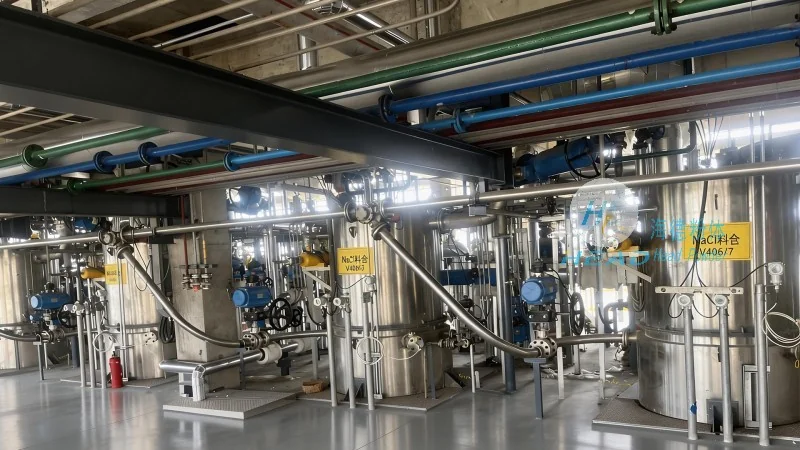
Caustic Soda Conveying Systems: An Overview
Caustic soda, or sodium hydroxide, is a highly caustic and corrosive chemical widely used in industries such as paper manufacturing, textile processing, and chemical synthesis. The safe and efficient transportation of caustic soda from storage to processing units is critical to operational efficiency and safety. Traditional methods like belt conveyors or bucket elevators may face challenges with material sticking, blockages, and exposure to the environment. To address these issues, pneumatic conveying systems have emerged as a preferred solution for caustic soda handling. These systems utilize air or gas to transport the material in a closed pipeline, ensuring minimal contact with the environment and reducing the risk of contamination or spillage.
Advantages of Pneumatic Conveying for Caustic Soda
Pneumatic conveying offers several key advantages when applied to caustic soda transportation. First, it provides a completely enclosed system, which is essential for handling hazardous materials like caustic soda. The closed pipeline prevents dust and fumes from escaping, protecting both personnel and the environment. Second, the system is highly efficient in terms of speed and capacity. Pneumatic conveyors can transport caustic soda at high velocities, allowing for rapid movement between storage tanks, reactors, and other processing equipment. This efficiency reduces downtime and increases overall production throughput. Third, the technology minimizes material degradation and loss. Unlike open systems, the enclosed design reduces the risk of material sticking to surfaces or being exposed to moisture, which could affect the quality of the caustic soda. Additionally, the system is easy to maintain and clean, as the pipeline can be flushed and inspected regularly without interrupting the entire process.
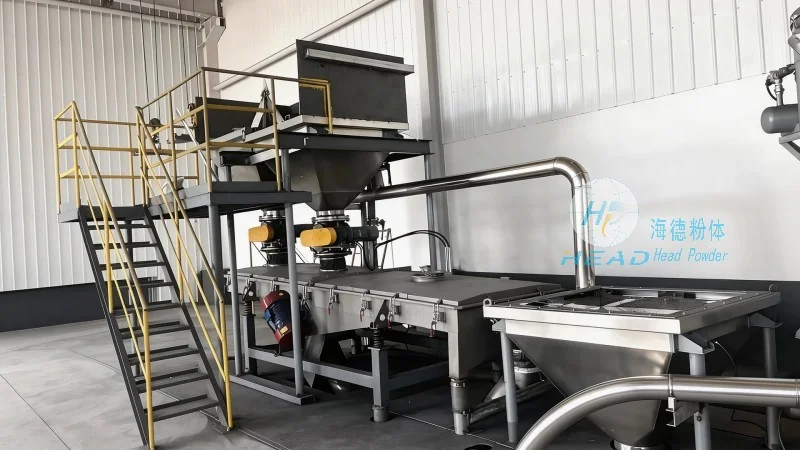
Key Components of a Caustic Soda Pneumatic Conveying System
A typical caustic soda pneumatic conveying system consists of several critical components that work together to ensure smooth operation. The main components include a storage silo or hopper, a feeder (often a rotary valve or screw feeder) to control the flow of caustic soda into the system, a conveying line (usually made of corrosion-resistant materials like stainless steel or PTFE-coated pipes), a vacuum or pressure unit to generate the air flow, and a receiver or destination vessel where the caustic soda is deposited. The storage silo is designed to hold large quantities of caustic soda and is equipped with level indicators and safety valves to prevent overfilling. The feeder ensures a consistent and controlled flow of material, preventing surges or blockages in the conveying line. The conveying line is the backbone of the system, and its material selection is crucial to withstand the corrosive nature of caustic soda. The vacuum or pressure unit provides the necessary force to move the material through the pipeline, with options for both positive and negative pressure systems depending on the application. Finally, the receiver is designed to safely collect the caustic soda at the processing unit, with features like level sensors and overflow protection to maintain system integrity.
Applications in Industrial Settings
The versatility of caustic soda pneumatic conveying systems makes them suitable for a wide range of industrial applications. In the paper industry, for example, caustic soda is used in the pulping process to break down wood fibers. Pneumatic conveying systems can efficiently transport caustic soda from storage to the pulping reactors, ensuring a steady supply of the chemical without interruptions. In the textile industry, caustic soda is used in the scouring and bleaching processes to remove impurities from fabrics. The enclosed nature of the pneumatic system prevents the caustic soda from coming into contact with the environment, reducing the risk of contamination and improving the quality of the final product. In chemical manufacturing, caustic soda is used as a base in various synthesis reactions. The high efficiency and reliability of the pneumatic system allow for precise control over the amount of caustic soda added to the reaction, enhancing the yield and quality of the final chemical products. Additionally, the system’s ability to handle both dry and slurry forms of caustic soda makes it adaptable to different production needs.
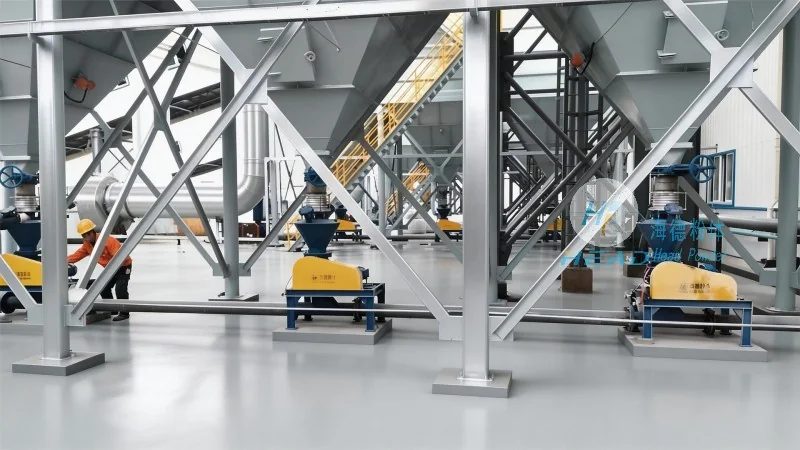
Safety and Maintenance Considerations
When operating a caustic soda pneumatic conveying system, safety is of paramount importance. The system must be designed and installed to comply with all relevant safety regulations, including proper ventilation, explosion-proof components, and emergency shut-off mechanisms. Regular maintenance is also critical to ensure the system operates efficiently and safely. This includes inspecting the conveying line for corrosion or damage, checking the feeder and vacuum unit for proper functioning, and cleaning the system to prevent material buildup. HeadPowder emphasizes the importance of regular maintenance to extend the lifespan of the equipment and minimize downtime. The company provides comprehensive maintenance services, including on-site inspections, component replacement, and training for operators on proper system operation and safety protocols.
Conclusion
Caustic soda pneumatic conveying systems represent a significant advancement in material handling technology, offering a safe, efficient, and reliable solution for transporting this critical chemical. By leveraging the enclosed design and high-speed air flow, these systems address the challenges associated with traditional methods, ensuring minimal environmental impact and maximum operational efficiency. HeadPowder, with its expertise in engineering and manufacturing, provides tailored solutions that meet the specific requirements of clients in various industries. The company’s commitment to quality, safety, and innovation makes it a trusted partner for businesses seeking to optimize their caustic soda handling processes. As industries continue to demand higher standards of efficiency and safety, pneumatic conveying systems will remain a vital component in the future of material handling, particularly for caustic soda applications.